

 Предпросмотр
 Поделиться
 Поделиться
 Детали произведения

 Скачать
 Похожие работы
 Рентгенография
 Слайд-шоу
 Статистика
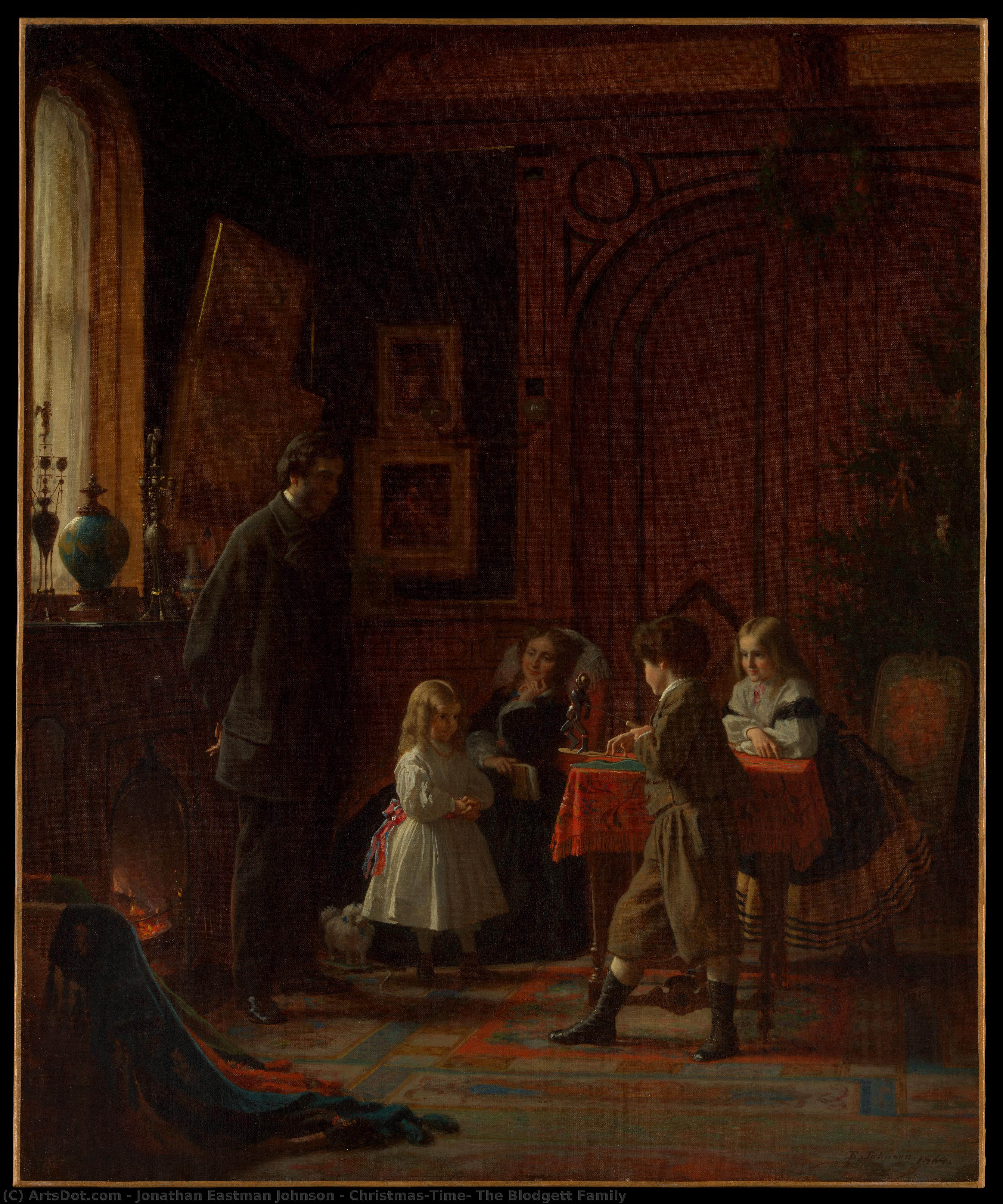
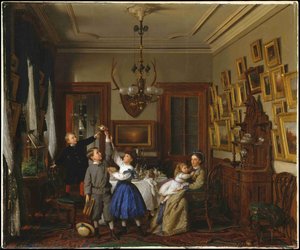
Christmas-Time, The Blodgett Family
 Oil On Canvas
- WallArt
- Contemporary Realism
 1864
1864- 19th Century
 76.0 x 64.0 cm
 Музей Метрополитен
 Читать далее
Приобретите цифровое изображение высокого разрешения в улучшенном качестве, которое значительно превосходит онлайн-превью.
Каждый файл тщательно подготавливается нашими специалистами с использованием передовых инструментов и экспертной ручной ретуши. Мы гарантируем исключительную четкость, точную цветопередачу и детальную проработку каждого изображения.
Финальный файл доставляется по электронной почте в течение 72 часов и оптимизирован для немедленного использования в профессиональной среде, при верстке и печати. Это тот же уровень качества, которому доверяют ведущие дизайнерские студии, издательства и галереи.
Цифровое изображение
Скачайте файл высокого разрешения для личного использования, печати и творческих проектов. ( Перейти к печати Купить картину ручной работы)
Включено в каждый заказ цифровых изображений
Гарантия экспертной цифровой доставки
Выбирая ArtsDot.com, вы получаете не просто изображение — вы приобретаете профессионально обработанное цифровое произведение искусства, созданное с безупречной точностью и под защитой гарантии качества. Вот всё, что автоматически входит в ваш заказ:

Мгновенная доставка по e-mail
Ваш цифровой файл в высоком разрешении будет отправлен вам по электронной почте в течение 72 часов после оформления заказа — и сразу станет доступен для использования.

Цифровой файл с ИИ-улучшением
Ваше произведение искусства проходит профессиональную оптимизацию с использованием передовых инструментов ИИ и ручной обработки, что гарантирует максимальную детализацию, четкость и точность цветопередачи.

Бессрочная бесплатная повторная доставка
Случайно удалили или потеряли файл? Не беспокойтесь — мы отправим его вам повторно в любое время и совершенно бесплатно.

Без импортных пошлин — навсегда
Наслаждайтесь вашим произведением искусства мгновенно без таможенных пошлин, сборов или затрат на доставку — цифровые загрузки всегда не облагаются налогом.

Гарантия точности цветопередачи
Мы гарантируем, что ваше цифровое изображение максимально точно передает оригинальные цвета благодаря использованию профессиональных инструментов и систем управления цветом.

Гарантия удовлетворенности 100 дней
Если вы не будете удовлетворены своим цифровым изображением, мы внесем правки или вернем 100% стоимости в течение 100 дней — без лишних вопросов.

100% Гарантия возврата средств
Не удовлетворены покупкой? Получите полный возврат средств в течение 100 дней после получения цифрового файла — без лишних вопросов.

Скидки на оптовые заказы
Купите 3 изображения, сэкономьте 10% — Купите 5, сэкономьте 15% — Купите 10+, сэкономьте 20%. Отличное решение для творческих проектов, галерей и агентств.
A Hearth of Golden Memories: The Blodgett Family at Christmas
In the quiet, flickering glow of a mid-19th-century parlor, Jonathan Eastman Johnson captures more than just a holiday meal; he preserves a heartbeat of American history. Christmas-Time, The Blodgett Family is an exquisite masterwork of American Realism that invites the viewer to step through a threshold of time into the intimate sanctuary of the Victorian era. As we gaze upon the gathered figures of William Tilden Blodgett and his kin, we are not merely observing a portrait, but participating in a sacred moment of domestic tranquility. The painting breathes with a profound sense of warmth, anchored by the soft, amber light emanating from a nearby fireplace, which dances across the faces of the family members and illuminates the rich textures of their surroundings.
Johnson, often celebrated as the American Rembrandt, masterfully weaves the dramatic chiaroscvers of the Dutch Masters into the fabric of New England life. The composition is a delicate balance of intimacy and grandeur; while the slightly elevated perspective draws us into the private circle of the dining table, the meticulous rendering of every velvet fold and polished wooden surface speaks to an era of burgeoning refinement and stability. There is a rhythmic grace in the way the artist uses curved lines—the gentle contours of a child’s cheek or the soft drape of a heavy woolen sleeve—to evoke a sense of safety and peace that feels almost palpable to the touch.
Technique, Texture, and the Art of Light
For the discerning collector or interior designer, the true allure of this piece lies in its extraordinary tactile quality. Johnson’s command over oil paint layering allows for a breathtaking depth that transforms a flat canvas into a three-dimensional experience. One can almost feel the weight of the heavy fabrics and the smoothness of the fine china. The artist utilizes a palette dominated by deep, comforting earth tones—rich ochres, burnt siennas, and regal crimsons—which create an atmosphere of eternal autumn and winter warmth. This deliberate use of color ensures that the painting serves as a powerful focal point in any room, providing a sense of groundedness and historical weight.
The interplay of light and shadow is where Johnson’s technical brilliance truly shines. By casting deep, velvety shadows behind the central figures, he pushes them forward into the light, creating a dramatic tension that keeps the eye moving across the scene. This technique does more than just define form; it imbues the subjects with a soul, suggesting the quiet thoughts and whispered stories shared during a holiday feast. The way the light catches the edges of the glassware and the glint of a festive ornament adds a layer of magical realism to an otherwise grounded, realistic depiction.
A Legacy of Connection and Timeless Elegance
Beyond its aesthetic splendor, Christmas-Time, The Blodgett Family carries a profound symbolic resonance. Created in 1864, amidst the turbulent years of the American Civil War and the dawn of Reconstruction, the painting serves as a poignant symbol of unity, resilience, and the enduring strength of the family unit. In an age of uncertainty, Johnson presents a vision of domestic permanence—a sanctuary where tradition is honored and love is the central protagonist. This emotional depth makes the artwork far more than a decorative element; it is a narrative piece that speaks to the universal human desire for belonging and peace.
Whether gracing a grand library or adding a touch of classical sophistication to a contemporary living space, a high-quality reproduction of this masterpiece brings with it an aura of cultured nostalgia. It offers an opportunity to surround oneself with the values of craftsmanship and familial devotion. For those seeking to curate a collection that inspires conversation and evokes emotion, Johnson’s work stands as a timeless testament to the beauty found in life's most quiet, cherished moments.
Похожие произведения



Биография художника
A Life Etched in American Realism
Jonathan Eastman Johnson, a name that resonates with the quiet dignity of 19th-century American life, was far more than simply a painter; he was a visual chronicler of his era. Born in Lovell, Maine, in 1824, his artistic journey wasn’t one of immediate acclaim but rather a gradual unfolding shaped by familial connections, rigorous training, and an unwavering dedication to portraying the world as he perceived it – with honesty, nuance, and a touch of melancholic beauty. His father, Philip Carrigan Johnson, held positions in business and fraternal organizations, instilling in young Eastman a deep sense of community engagement that would profoundly influence his artistic subjects. Early experiences in Fryeburg and Augusta, Maine, provided the foundational bedrock for his understanding of everyday existence – an understanding he meticulously translated onto canvas with remarkable sensitivity. His formal training began as an apprenticeship with a Boston lithographer in 1840, marking the initial step in a career defined by meticulous observation and technical skill. A move to Washington D.C. alongside his family, due to his father’s naval appointment, broadened his horizons considerably, exposing him to diverse subjects and experiences that subtly shaped his artistic vision.From Dutch Masters to American Scenes
Johnson's artistic development was a fascinating interplay of influences. Initially drawn to portraiture, he swiftly expanded his repertoire to encompass genre painting – scenes depicting the vibrant tapestry of everyday American life. This wasn’t merely about representation; it was about capturing the *essence* of American society, offering poignant glimpses into the lives of ordinary people often overlooked by more grandiose historical narratives. A pivotal moment arrived during the 1850s when Johnson embarked on a journey to The Hague and immersed himself in the works of 17th-century Dutch masters. This encounter proved transformative. He absorbed their mastery of composition, lighting, and realism with an almost reverent intensity, earning him the affectionate moniker “The American Rembrandt.” This influence is palpably evident in his paintings – a subdued palette, dramatic chiaroscuro (strong contrasts between light and dark), and an almost photographic attention to detail characterize his mature style. However, Johnson didn’t simply imitate; he skillfully synthesized these European techniques with his uniquely American sensibility, creating works that were both technically brilliant and deeply rooted in the social fabric of his time. He aligned himself firmly with the burgeoning Realist movement, rejecting idealized representations in favor of accurate depictions of everyday life – a commitment that would define his artistic legacy.Bearing Witness to an Era
Johnson’s oeuvre is remarkably diverse, encompassing portraits of prominent figures such as Abraham Lincoln, Nathaniel Hawthorne, Ralph Waldo Emerson, and Henry Wadsworth Longfellow alongside intimate scenes of domesticity and rural life. Yet, certain works stand out for their profound social commentary and artistic innovation. Negro Life at the South (1859) remains one of his most celebrated – and intensely debated – paintings. Depicting African Americans enjoying leisure time in a carefully constructed tableau, it sparked widespread discussion regarding race relations and the realities of slavery in the antebellum South. The ambiguity inherent in the scene – was it a romanticized portrayal or a subtle critique? – fueled debates that resonated far beyond the art world. His response to the Civil War was equally poignant. Rather than focusing on battlefield heroics, Johnson turned his attention to the impact of conflict on civilian life, creating haunting images of anxious families and scenes removed from the front lines. Ride For Liberty (1862), depicting an enslaved family courageously escaping to freedom, is a powerful testament to his commitment to social justice – a scene imbued with both sorrow and hope. His depictions of New England rural life – maple sugar harvesting, cranberry picking – celebrated traditional American values and craftsmanship with a quiet reverence, capturing the rhythms of a bygone era.A Legacy Beyond the Canvas
Beyond his artistic achievements, Johnson played a crucial role in shaping the American art landscape. His dedication to genre painting elevated it as a respected form of artistic expression, challenging prevailing notions of what constituted “high art.” He wasn’t merely an artist; he was a cultural advocate. His commitment extended beyond his own practice, culminating in his co-founding of the Metropolitan Museum of Art in New York City – a testament to his belief in the power of art to educate and inspire. His name is inscribed at its entrance, a permanent recognition of his significant contribution to the nation’s artistic heritage. Johnson's influence on American Realism is undeniable; his dedication to depicting everyday life with honesty and detail paved the way for future generations of artists who sought to capture the complexities of the human experience.Enduring Significance
Johnson’s legacy extends far beyond specific paintings or institutional contributions. He was a pioneer in bridging the gap between European artistic traditions and uniquely American subject matter. His ability to imbue ordinary scenes with profound meaning, his willingness to engage with complex social issues, and his unwavering commitment to realism cemented his place as a pivotal figure in 19th-century American art. He wasn’t simply recording life; he was interpreting it, prompting viewers to reflect on their own values and beliefs. His work serves as a powerful reminder that true artistry lies not just in technical skill but also in the ability to connect with the human spirit and illuminate the world around us. He died in New York City in 1906, leaving behind a body of work that continues to captivate and inspire, ensuring his enduring recognition as a significant figure in American art history.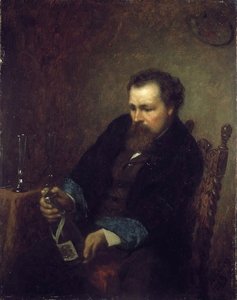
Jonathan Eastman Johnson
1824 - 1906 , Великобритания
Основные сведения
- Artistic Movement Or Style: Реализм, жанровое живопись
- Artists Or Movements Influenced By This Artist: ['Американский реализм']
- Artists Who Influenced This Artist:
- Голландские мастера
- Джан Франческо Милетти
- Date Of Birth: 29 июля 1824
- Date Of Death: 5 апреля 1906
- Full Name: Jonathan Eastman Johnson
- Nationality: Американский
- Notable Artworks:
- Жизнь чернокожих на юге
- Взлёт на свободу
- Place Of Birth: Ловелл, Великобритания