

 Предпросмотр
 Поделиться
 Поделиться
 Детали произведения

 Скачать
 Похожие работы
 Рентгенография
 Слайд-шоу
 Статистика
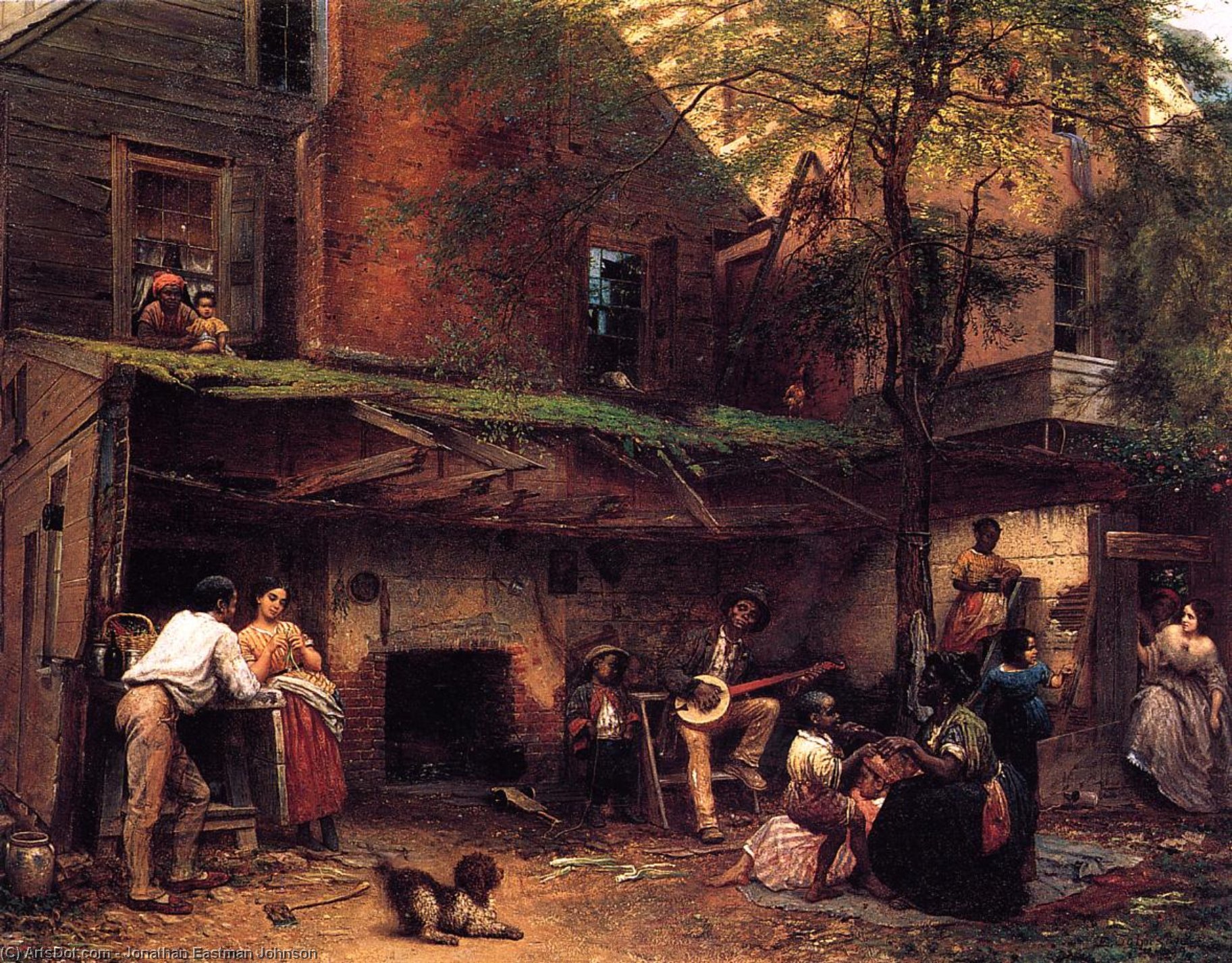
Negro Life in the South


 Читать далее
Масляная репродукция ручной работы
Картина маслом на холсте в выбранном вами размере и раме, написанная на заказ нашими художниками. ( Перейти к печати Перейти к цифровым изображениям)




P118B $10

P118H $10

P118W $10

P438Z $10

P508JH $12

P508YH $12

P805H $10

P805Z $10

P919BZ $10

P919G $10

P919XJ $10

P959ZH $10

P968JZ $12

W106C $8

W218G $10

W218JH $8

W218Y $10

W307PJ $10

W316G $10

W316PJ $8

W316Y $10

W398PJ $8

W4111J $10

W500HY $15

W500JH $15

W692G $12

W849H $8

W940BG $15

W953PJ $8




Выберите один из наших стандартных размеров, соответствующих оригинальным пропорциям произведения искусства.

Вы можете указать собственные размеры, чтобы картина идеально вписалась в выбранную раму или пространство. Если выбранный вами размер не соответствует пропорциям оригинала, мы либо обрежем полотно, либо расширим его за счет дополнительных элементов, написанных вручную. Цифровой макет будет отправлен вам на утверждение перед началом производства.
Обратите внимание, что предварительный просмотр на экране не отражает фактическую обрезку или расширение. Только макет точно покажет окончательную композицию.
Хотя доступны индивидуальные размеры, мы рекомендуем выбирать вариант из предопределенного списка, чтобы сохранить исходные пропорции.
После оформления заказа команда ArtsDot.com свяжется с клиентом по электронной почте для уточнения деталей и предоставит предварительный макет
Доставка по всему миру () за 3–4 недели вместо стандартных 5 недель. (12 Сентябрь). Без компромиссов в качестве.

Бесплатная экспресс-доставка по всему миру

Высококачественный льняной холст

Полное страхование доставки

Гарантия возмещения таможенных пошлин

Гарантия точного соответствия цветов

100-дневная политика возврата (только при обнаружении дефектов)

Гарантия возврата 100% средств

Предложение оптовых скидок
 Вариант со стеклом доступен только для размеров менее 110 см

Negro Life in the South
Техника репродукции
Размер репродукции
-


Итоговая стоимость
$ 263
A Window into a Vanished Era
In the vast tapestry of nineteenth-century American art, few works possess the profound social weight and intimate humanity found in Jonathan Eastman Johnson’s 1859 masterpiece, Negro Life in the South. This evocative oil on canvas serves as much more than a mere depiction of a gathering; it is a poignant, visual chronicle of African-American life in Washington, D.C., captured at a pivotal and turbulent moment in history. Through his masterful use of light and composition, Johnson invites the viewer into a private courtyard, where the boundaries between domesticity and community blur. The scene is alive with the quiet rhythms of existence—men and women gathered in conversation, the presence of dogs adding a layer of unscripted realism, and a palpable sense of togetherness that transcends the harsh historical realities of the era.
The painting’s technique reflects the meticulous eye of an artist dedicated to American Realism. Johnson employs a sophisticated approach to skin tones and textures, subtly illustrating the diverse racial ancestries present within the community. This nuance is not merely a technical achievement but a profound symbolic gesture, reflecting the complex social fabric of the mid-1800s. The backdrop of weathered, dilapidated buildings provides a stark, atmospheric contrast to the vibrant human connections unfolding in the foreground. These architectural elements ground the painting in a specific socio-economic reality, offering a window into the living conditions of the time while simultaneously framing the resilience and dignity of the subjects.
Symbolism and the Complexity of Identity
Beyond its surface beauty, Negro Life in the South is layered with intricate symbolism that continues to challenge and inspire contemporary viewers. The inclusion of a white woman within this predominantly African-American space adds a layer of sociological complexity, prompting deep contemplation regarding the intersections of race, class, and social hierarchy in pre-Civil War America. Every element, from the way a figure leans into a conversation to the placement of animals within the courtyard, contributes to a narrative of shared experience and communal strength. For the discerning collector or interior designer, this piece offers more than just aesthetic value; it provides a profound intellectual anchor for any space, sparking dialogue and reflection.
The emotional resonance of Johnson’s work lies in its ability to capture both the melancholy of a fading era and the enduring spirit of its people. There is a certain soulful gravity in the gaze of the subjects that stays with the observer long after they have turned away from the canvas. As an iconic symbol of 19th-century American art, this painting remains a cornerstone of the New-York Historical Society’s collection and a vital piece of cultural heritage. For those seeking to bring a sense of history, depth, and narrative power into their homes or galleries, a high-quality reproduction of this masterpiece serves as a timeless tribute to the complexity of the human condition.
Похожие произведения
Биография художника
A Life Etched in American Realism
Jonathan Eastman Johnson, a name that resonates with the quiet dignity of 19th-century American life, was far more than simply a painter; he was a visual chronicler of his era. Born in Lovell, Maine, in 1824, his artistic journey wasn’t one of immediate acclaim but rather a gradual unfolding shaped by familial connections, rigorous training, and an unwavering dedication to portraying the world as he perceived it – with honesty, nuance, and a touch of melancholic beauty. His father, Philip Carrigan Johnson, held positions in business and fraternal organizations, instilling in young Eastman a deep sense of community engagement that would profoundly influence his artistic subjects. Early experiences in Fryeburg and Augusta, Maine, provided the foundational bedrock for his understanding of everyday existence – an understanding he meticulously translated onto canvas with remarkable sensitivity. His formal training began as an apprenticeship with a Boston lithographer in 1840, marking the initial step in a career defined by meticulous observation and technical skill. A move to Washington D.C. alongside his family, due to his father’s naval appointment, broadened his horizons considerably, exposing him to diverse subjects and experiences that subtly shaped his artistic vision.From Dutch Masters to American Scenes
Johnson's artistic development was a fascinating interplay of influences. Initially drawn to portraiture, he swiftly expanded his repertoire to encompass genre painting – scenes depicting the vibrant tapestry of everyday American life. This wasn’t merely about representation; it was about capturing the *essence* of American society, offering poignant glimpses into the lives of ordinary people often overlooked by more grandiose historical narratives. A pivotal moment arrived during the 1850s when Johnson embarked on a journey to The Hague and immersed himself in the works of 17th-century Dutch masters. This encounter proved transformative. He absorbed their mastery of composition, lighting, and realism with an almost reverent intensity, earning him the affectionate moniker “The American Rembrandt.” This influence is palpably evident in his paintings – a subdued palette, dramatic chiaroscuro (strong contrasts between light and dark), and an almost photographic attention to detail characterize his mature style. However, Johnson didn’t simply imitate; he skillfully synthesized these European techniques with his uniquely American sensibility, creating works that were both technically brilliant and deeply rooted in the social fabric of his time. He aligned himself firmly with the burgeoning Realist movement, rejecting idealized representations in favor of accurate depictions of everyday life – a commitment that would define his artistic legacy.Bearing Witness to an Era
Johnson’s oeuvre is remarkably diverse, encompassing portraits of prominent figures such as Abraham Lincoln, Nathaniel Hawthorne, Ralph Waldo Emerson, and Henry Wadsworth Longfellow alongside intimate scenes of domesticity and rural life. Yet, certain works stand out for their profound social commentary and artistic innovation. Negro Life at the South (1859) remains one of his most celebrated – and intensely debated – paintings. Depicting African Americans enjoying leisure time in a carefully constructed tableau, it sparked widespread discussion regarding race relations and the realities of slavery in the antebellum South. The ambiguity inherent in the scene – was it a romanticized portrayal or a subtle critique? – fueled debates that resonated far beyond the art world. His response to the Civil War was equally poignant. Rather than focusing on battlefield heroics, Johnson turned his attention to the impact of conflict on civilian life, creating haunting images of anxious families and scenes removed from the front lines. Ride For Liberty (1862), depicting an enslaved family courageously escaping to freedom, is a powerful testament to his commitment to social justice – a scene imbued with both sorrow and hope. His depictions of New England rural life – maple sugar harvesting, cranberry picking – celebrated traditional American values and craftsmanship with a quiet reverence, capturing the rhythms of a bygone era.A Legacy Beyond the Canvas
Beyond his artistic achievements, Johnson played a crucial role in shaping the American art landscape. His dedication to genre painting elevated it as a respected form of artistic expression, challenging prevailing notions of what constituted “high art.” He wasn’t merely an artist; he was a cultural advocate. His commitment extended beyond his own practice, culminating in his co-founding of the Metropolitan Museum of Art in New York City – a testament to his belief in the power of art to educate and inspire. His name is inscribed at its entrance, a permanent recognition of his significant contribution to the nation’s artistic heritage. Johnson's influence on American Realism is undeniable; his dedication to depicting everyday life with honesty and detail paved the way for future generations of artists who sought to capture the complexities of the human experience.Enduring Significance
Johnson’s legacy extends far beyond specific paintings or institutional contributions. He was a pioneer in bridging the gap between European artistic traditions and uniquely American subject matter. His ability to imbue ordinary scenes with profound meaning, his willingness to engage with complex social issues, and his unwavering commitment to realism cemented his place as a pivotal figure in 19th-century American art. He wasn’t simply recording life; he was interpreting it, prompting viewers to reflect on their own values and beliefs. His work serves as a powerful reminder that true artistry lies not just in technical skill but also in the ability to connect with the human spirit and illuminate the world around us. He died in New York City in 1906, leaving behind a body of work that continues to captivate and inspire, ensuring his enduring recognition as a significant figure in American art history.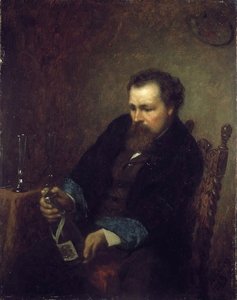
Jonathan Eastman Johnson
1824 - 1906 , Великобритания
Основные сведения
- Artistic Movement Or Style: Реализм, жанровое живопись
- Artists Or Movements Influenced By This Artist: ['Американский реализм']
- Artists Who Influenced This Artist:
- Голландские мастера
- Джан Франческо Милетти
- Date Of Birth: 29 июля 1824
- Date Of Death: 5 апреля 1906
- Full Name: Jonathan Eastman Johnson
- Nationality: Американский
- Notable Artworks:
- Жизнь чернокожих на юге
- Взлёт на свободу
- Place Of Birth: Ловелл, Великобритания
Похожие статьи
Henry Ossawa Tanner: Pioneering African American Representation in 19th-Century Art
Explore the life and groundbreaking work of Henry Ossawa Tanner, a pioneering African American artist who achieved international acclaim with his deeply spiritual and realistic paintings. Discover his legacy at ArtsDot.
Топ-10 шедевров XIX века: искусство, история и декор от ArtsDot.com
Погрузитесь в мир искусства XIX века! От реализма до импрессионизма – 10 величайших картин, истории художников и вдохновение для вашего интерьера. Репродукции высокого качества на ArtsDot.com. Откройте всю коллекцию онлайн!

Romantic Realism's Finest: 10 Masterpieces for Your Home | ArtsDot
Explore 10 defining masterpieces of Romantic Realism! Discover Courbet, Millet & Daumier's powerful paintings—capturing emotion and social realities. Find museum-quality reproductions for your home at ArtsDot.com.
American Realism: Social Commentary & Artistic Representation in Early 20th-Century Painting
Explore the powerful social commentary & artistic representation of American Realism. Discover key artists like Bellows & Sloan, and understand the movement's lasting impact on 20th-century art history.
10 Шедевров Американского Реализма: Искусство Правды и Жизни | ArtsDot
Погрузитесь в мир американского реализма! 10 шедевров от Эндрю Уайета, Эдварда Хоппера и других. История искусства, техники живописи и вдохновение для вашего интерьера. Купите репродукции картин на ArtsDot.com!