

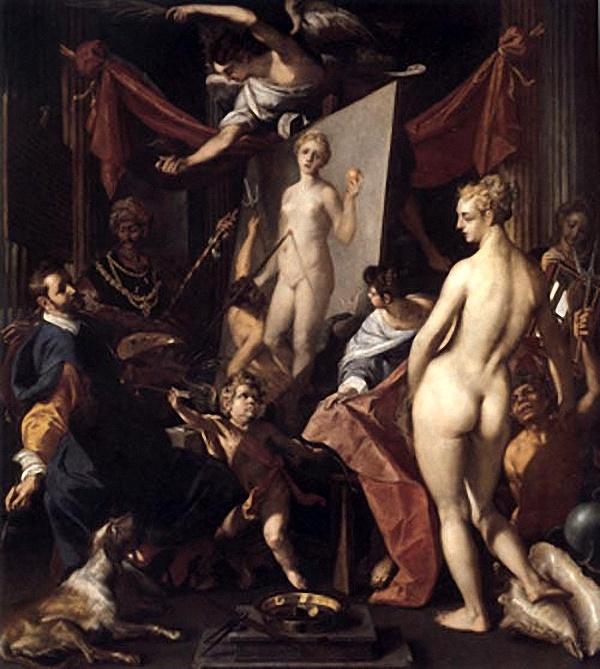
 Предпросмотр
 Поделиться
 Поделиться
 Детали произведения

 Скачать
 Похожие работы
 Рентгенография
 Слайд-шоу
 Статистика
Untitled (AQZMTL)

 Читать далее
Масляная репродукция ручной работы
Картина маслом на холсте в выбранном вами размере и раме, написанная на заказ нашими художниками. ( Перейти к печати Перейти к цифровым изображениям)




































Выберите один из наших стандартных размеров, соответствующих оригинальным пропорциям произведения искусства.

Вы можете указать собственные размеры, чтобы картина идеально вписалась в выбранную раму или пространство. Если выбранный вами размер не соответствует пропорциям оригинала, мы либо обрежем полотно, либо расширим его за счет дополнительных элементов, написанных вручную. Цифровой макет будет отправлен вам на утверждение перед началом производства.
Обратите внимание, что предварительный просмотр на экране не отражает фактическую обрезку или расширение. Только макет точно покажет окончательную композицию.
Хотя доступны индивидуальные размеры, мы рекомендуем выбирать вариант из предопределенного списка, чтобы сохранить исходные пропорции.
После оформления заказа команда ArtsDot.com свяжется с клиентом по электронной почте для уточнения деталей и предоставит предварительный макет
Доставка по всему миру () за 3–4 недели вместо стандартных 5 недель. (13 Сентябрь). Без компромиссов в качестве.

Бесплатная экспресс-доставка по всему миру

Высококачественный льняной холст

Полное страхование доставки

Гарантия возмещения таможенных пошлин

Гарантия точного соответствия цветов

100-дневная политика возврата (только при обнаружении дефектов)

Гарантия возврата 100% средств

Предложение оптовых скидок
 Вариант со стеклом доступен только для размеров менее 110 см

Untitled (AQZMTL)
Техника репродукции
Размер репродукции
-


Итоговая стоимость
$ 263
Похожие произведения




Биография художника
A Life Bridging Courts and Canvases: The World of Joos van Winghe
Joos van Winghe, a name resonating softly through the annals of Flemish Renaissance art, embodies a fascinating transition between the grandeur of courtly patronage and the burgeoning artistic freedoms of the late 16th century. Born in Brussels around 1544, his life was one marked by travel, adaptation, and a quiet mastery of both portraiture and genre scenes. While biographical details remain somewhat fragmented – largely reliant on the observations of Karel van Mander, a contemporary artist and historian – enough is known to paint a picture of an individual deeply connected to the artistic currents of his time, yet forging a path uniquely his own. Van Winghe’s early education likely took place within Brussels itself, a vibrant center for painting under the Spanish Netherlands. However, it was a four-year sojourn in Rome that fundamentally shaped his aesthetic sensibilities. Living with a cardinal afforded him access to the rich artistic heritage of the Italian Renaissance and exposure to the burgeoning Mannerist style. This period proved pivotal; he absorbed the elegance and sophistication of Roman art, which would later subtly infuse his own work. His time wasn’t confined solely to Rome, as van Mander notes experiences in Parma where he painted a fresco of the Last Supper for the Servites monastery, further broadening his artistic vocabulary under the guidance of Jacopo Bertoja, alongside fellow Flemish artist Bartholomaeus Spranger.From Brussels Court to Frankfurt Refuge
Upon returning to Brussels around 1568, van Winghe swiftly ascended to become a court painter in the service of Alexander Farnese, Duke of Parma. This position secured him a degree of financial stability and access to prominent members of society, providing ample opportunities for portraiture – a genre he would consistently return to throughout his career. However, the political turmoil brewing within the Netherlands cast a long shadow over his life. The Fall of Antwerp in 1584, a watershed moment in the Eighty Years’ War, prompted van Winghe and his family to seek refuge elsewhere. This exodus was not merely a relocation; it represented a shift away from the constraints of Spanish rule and towards a more tolerant environment. He settled in Frankfurt am Main, joining a growing community of Flemish artists who had similarly fled religious persecution and political instability. The loss of his court position was filled by Otto van Veen, marking a definitive end to his life within the established artistic circles of Brussels. In Frankfurt, he became a burgher in 1588, integrating himself into the local society while continuing to practice his art.A Diverse Palette: Portraits, Allegories and Genre Scenes
Van Winghe’s oeuvre is characterized by its diversity, encompassing portraits, allegorical paintings, and genre scenes – often depicting merry companies or intimate domestic moments. His portraits are notable for their refined elegance and psychological insight, capturing not just the likeness of his sitters but also a sense of their inner character. While he initially adhered to the established conventions of Flemish portraiture, his time in Italy instilled a certain gracefulness and sophistication into his depictions. Beyond portraiture, van Winghe demonstrated a keen interest in allegorical subjects, often imbued with moral or political undertones. One painting described by Van Mander depicts a chained personification of Belgica (the Netherlands), suggesting a sympathetic stance towards the cause of Dutch independence. His genre scenes, lively and detailed, offer glimpses into the everyday life of his time. These works are not simply depictions of merriment; they often contain subtle narratives or symbolic elements that reward closer examination.Legacy and Influence: A Father’s Hand and a Son's Continuation
The influence of Joos van Winghe extends beyond his own artistic production, notably through his son, Jeremias van Winghe (1578-1645). Jeremias followed in his father’s footsteps, becoming a painter himself and contributing to the artistic landscape of Frankfurt. While Jeremias developed his own distinct style – specializing in kitchen scenes and still lifes – he undoubtedly benefited from his father's training and guidance. The elder van Winghe’s impact can also be seen in the broader context of Flemish art during this period. His ability to blend Italianate elegance with Flemish realism helped bridge the gap between Renaissance traditions and the emerging Baroque style. Although not as widely celebrated as some of his contemporaries, Joos van Winghe remains a significant figure in understanding the complexities of artistic life during a time of profound political and religious upheaval. He represents a generation of artists who were forced to adapt, innovate, and seek new patrons while striving to maintain their artistic integrity. His works offer a captivating window into the world of 16th-century Europe, reflecting both the splendor of courtly life and the anxieties of a nation in turmoil.- Born: Brussels, c. 1544
- Died: Frankfurt am Main, 1603
- Style: Flemish Renaissance, Mannerism
- Key Subjects: Portraits, Genre Scenes, Allegories
joos van winghe
1544 - 1603
Основные сведения
- Artistic Movement Or Style: Renaissance
- Artists Or Movements Influenced By This Artist: ['Dutch Masters']
- Artists Who Influenced This Artist: ['Pieter Bruegel the Elder']
- Date Of Birth: 1544
- Date Of Death: 1603
- Full Name: Joos van Winghe
- Nationality: Flemish
- Notable Artworks:
- Night Banquet and Masquerade
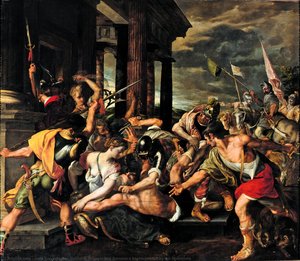
- Delilah’s Betrayal and Samson’s Imprisonment by the Philistines
- Samson and Delila
- Place Of Birth: Brussels