

 Предпросмотр
 Поделиться
 Поделиться
 Детали произведения

 Скачать
 Похожие работы
 Рентгенография
 Слайд-шоу
 Статистика
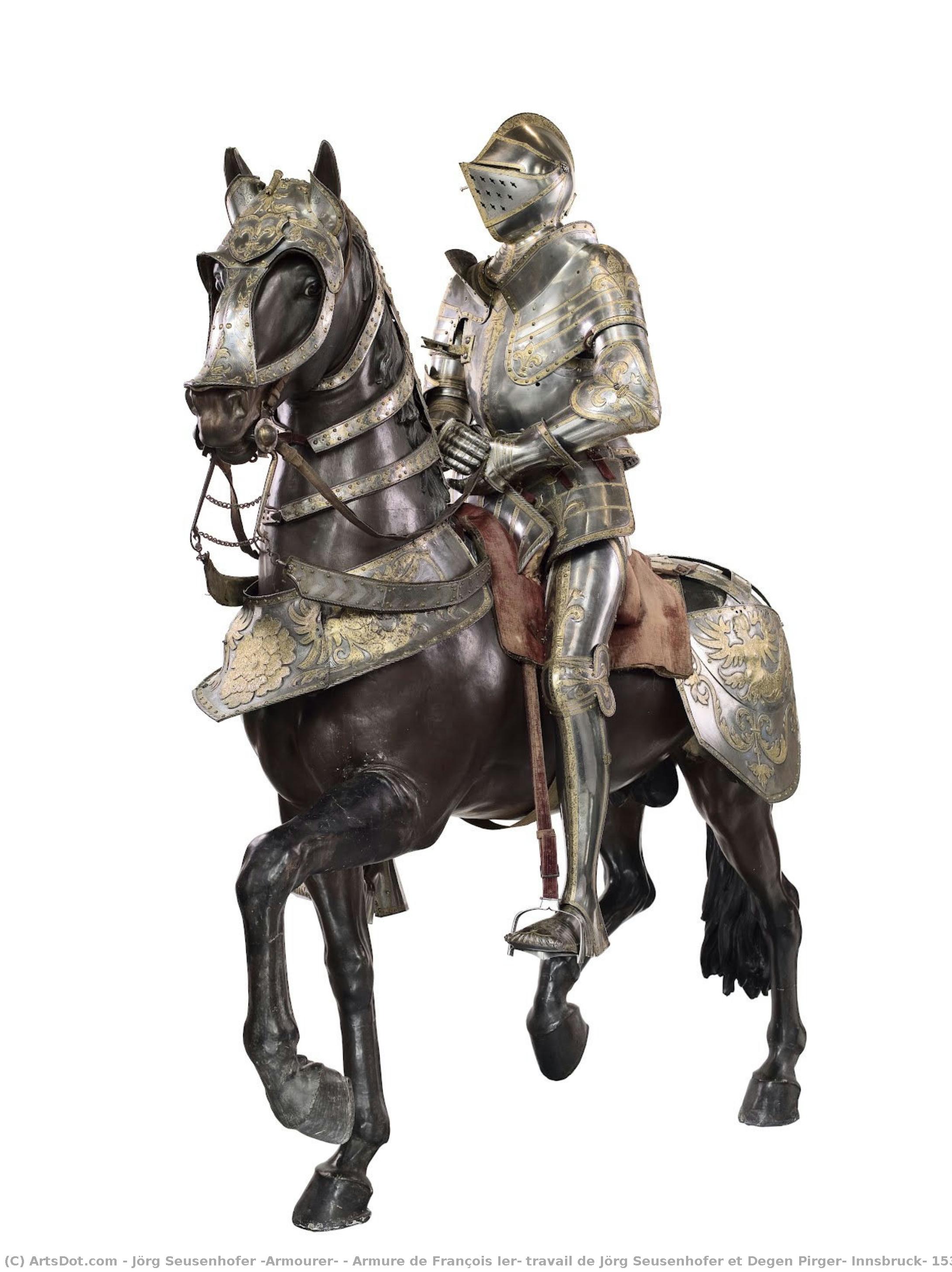
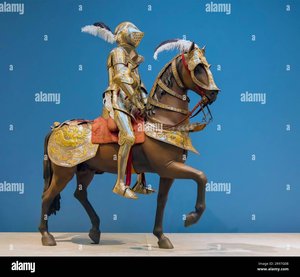
Armure de François Ier, travail de Jörg Seusenhofer et Degen Pirger, Innsbruck, 1539-1540\n\nVue de trois-quarts


 Читать далее
Приобретите цифровое изображение высокого разрешения в улучшенном качестве, которое значительно превосходит онлайн-превью.
Каждый файл тщательно подготавливается нашими специалистами с использованием передовых инструментов и экспертной ручной ретуши. Мы гарантируем исключительную четкость, точную цветопередачу и детальную проработку каждого изображения.
Финальный файл доставляется по электронной почте в течение 72 часов и оптимизирован для немедленного использования в профессиональной среде, при верстке и печати. Это тот же уровень качества, которому доверяют ведущие дизайнерские студии, издательства и галереи.
Цифровое изображение
Скачайте файл высокого разрешения для личного использования, печати и творческих проектов. ( Перейти к печати Купить картину ручной работы)
Включено в каждый заказ цифровых изображений
Гарантия экспертной цифровой доставки
Выбирая ArtsDot.com, вы получаете не просто изображение — вы приобретаете профессионально обработанное цифровое произведение искусства, созданное с безупречной точностью и под защитой гарантии качества. Вот всё, что автоматически входит в ваш заказ:

Мгновенная доставка по e-mail
Ваш цифровой файл в высоком разрешении будет отправлен вам по электронной почте в течение 72 часов после оформления заказа — и сразу станет доступен для использования.

Цифровой файл с ИИ-улучшением
Ваше произведение искусства проходит профессиональную оптимизацию с использованием передовых инструментов ИИ и ручной обработки, что гарантирует максимальную детализацию, четкость и точность цветопередачи.

Бессрочная бесплатная повторная доставка
Случайно удалили или потеряли файл? Не беспокойтесь — мы отправим его вам повторно в любое время и совершенно бесплатно.

Без импортных пошлин — навсегда
Наслаждайтесь вашим произведением искусства мгновенно без таможенных пошлин, сборов или затрат на доставку — цифровые загрузки всегда не облагаются налогом.

Гарантия точности цветопередачи
Мы гарантируем, что ваше цифровое изображение максимально точно передает оригинальные цвета благодаря использованию профессиональных инструментов и систем управления цветом.

Гарантия удовлетворенности 100 дней
Если вы не будете удовлетворены своим цифровым изображением, мы внесем правки или вернем 100% стоимости в течение 100 дней — без лишних вопросов.

100% Гарантия возврата средств
Не удовлетворены покупкой? Получите полный возврат средств в течение 100 дней после получения цифрового файла — без лишних вопросов.

Скидки на оптовые заказы
Купите 3 изображения, сэкономьте 10% — Купите 5, сэкономьте 15% — Купите 10+, сэкономьте 20%. Отличное решение для творческих проектов, галерей и агентств.
A Vision of Paradise Lost: Exploring Jörg Seusenhofer’s Masterpiece – ‘Armure de François Ier’
The artwork “Armure de François Ier, travail de Jörg Seusenhofer et Degen Pirger, Innsbruck, 1539-1540,” a breathtaking depiction of King Francis I’s armor mounted on horseback, stands as a testament to the artistic fervor of the Renaissance in Austria. Created by Jörg Seusenhofer and Degen Pirger in Innsbruck during the reign of Maximilian I—a pivotal figure in shaping Habsburg dominance—this monumental painting transcends mere representation; it embodies an unsettling contemplation of earthly desires juxtaposed with spiritual apprehension.
- Subject Matter: At its core, the piece portrays a knight – François Ier himself – seated upon a magnificent steed. The meticulous detail extends beyond the noble figure to encompass the horse’s musculature and opulent trappings, reflecting the grandeur of imperial patronage and military prowess.
- Style & Technique: Seusenhofer's masterful execution demonstrates a profound understanding of Flemish artistic conventions. Employing oil paint on canvas—a technique favored during this period—he achieved an astonishing level of realism through layering pigments to capture subtle textures and luminous effects. The artist’s meticulous attention to detail is evident in every facet of the composition, from the polished sheen of the armor plates to the delicate rendering of horsehair.
- Color Palette: Dominating the visual landscape are shades of silver, gold, and dark grey—the colors inherent in royal armor—creating a striking contrast against the muted tones of the background. Strategic use of red and brown accents within the saddle blanket and reins adds warmth and dynamism to the scene.
- Composition & Perspective: The three-quarter view framing the knight offers an immersive experience for the viewer, allowing for comprehensive observation of both subject and environment. Strong vertical lines emphasize stability and regal bearing, while curving lines imbue movement into the horse’s posture.
Symbolism Beyond Glory: Decoding the Imagery
More than just a portrait of power, “Armure de François Ier” operates on multiple symbolic levels. The armor itself represents protection—both physical and spiritual—a cornerstone of medieval heraldry and Christian iconography. Simultaneously, it embodies ambition and prestige, reflecting the aspirations of the Habsburg dynasty to solidify its dominion over Europe. The horse symbolizes loyalty, speed, and nobility – qualities deemed essential for a ruler commanding armies.
- Religious Undertones: Scholars interpret subtle visual cues—such as the stylized depiction of saints’ emblems—as hinting at an underlying preoccupation with moral judgment and divine retribution.
- Medieval Influence: The artwork draws heavily upon traditions rooted in medieval art, particularly depictions of chivalry and religious allegory.
A Window into Innsbruck's Artistic Renaissance
“Armure de François Ier” stands as a remarkable achievement within the context of Innsbruck’s artistic renaissance—a period marked by fervent patronage from Maximilian I and an outpouring of creativity across various disciplines. Seusenhofer’s work exemplifies the humanist ideals that characterized this era, prioritizing observation and anatomical accuracy alongside expressive emotion. Its enduring appeal lies in its ability to convey not only visual splendor but also profound philosophical contemplation.
- Historical Significance: The painting serves as a tangible reminder of Habsburg imperial ambition during the 16th century—a time of intense political maneuvering and artistic innovation.
- Interior Design Inspiration: Its rich textures, luminous colors, and commanding composition offer invaluable inspiration for contemporary interior designers seeking to evoke grandeur and sophistication.
Похожие произведения


Биография художника
Hieronymus Bosch: A Visionary of Darkness and Delight
Born around 1450 in the bustling town of ’s-Hertogenbosch, nestled within the Duchy of Brabant (now part of modern-day Netherlands), Hieronymus Bosch remains one of the most enigmatic and profoundly influential figures in Western art. His life is shrouded in mystery – a deliberate obscurity that only adds to the allure surrounding his extraordinary creations. Little is definitively known about his early years, save for the fact that he was born into an artistic family; his father, Anthonius van Aken, was himself a painter, and several of his uncles followed suit. This lineage undoubtedly provided him with a foundational understanding of technique, though Bosch quickly transcended mere imitation to forge a uniquely unsettling and intensely personal style.
Bosch’s name itself is somewhat complex. Initially known as Jeroen van Aken – meaning “from Aachen” – he adopted the pseudonym “Bosch,” derived from his birthplace. This choice, perhaps reflecting a desire for anonymity or a subtle assertion of local identity, became inextricably linked with his artistic legacy. He married Aleyt Goyaerts van den Meerveen around 1480 and they settled in Oirschot, where her family held considerable wealth. This union provided him with a degree of stability and access to resources that likely supported his increasingly ambitious projects.
The Art of the Unseen
Bosch’s artistic output is remarkably small – only around 25 paintings are definitively attributed to his hand, supplemented by approximately six drawings. This scarcity, coupled with the lack of biographical details, has fueled centuries of speculation and debate about his life and motivations. His work primarily consists of large-scale triptychs (folding altarpieces), but he also produced individual panels and smaller works. These pieces are characterized by a startling blend of realism and fantastical imagery, populated with bizarre creatures, grotesque figures, and unsettling scenes that seem to simultaneously depict earthly pleasures and eternal damnation.
Bosch’s style is instantly recognizable. He employed a meticulous technique, often using oil on oak wood, creating remarkably detailed surfaces. However, it's not the technical skill that defines his work; rather, it’s the sheer inventiveness of his iconography – the symbolic language he developed to convey complex moral and religious ideas. He frequently incorporated elements from everyday life—animals, plants, tools, and even human anatomy—but twisted them into nightmarish configurations, imbued with hidden meanings.
Key Works: A Descent into Madness
Among Bosch’s most celebrated works are the “Temptation of St. Anthony” (c. 1475-1480), a triptych depicting the saint's struggle against demonic forces, and “The Garden of Earthly Delights” (c. 1503-1515), arguably his most famous masterpiece. The latter is a sprawling, multi-paneled composition that unfolds into a vibrant yet terrifying vision of paradise, earthly pleasures, and ultimately, hell. It’s a complex allegory, open to multiple interpretations, but it generally explores the consequences of sin and the fleeting nature of worldly desires.
Another significant work is “The Haywain” (c. 1503-1506), a triptych that depicts a scene of revelry and moral decay. The painting’s central panel shows a group of drunken travelers, engaging in various forms of debauchery. Bosch's meticulous attention to detail—from the intricate patterns on the clothing to the expressions on the faces—creates a powerfully unsettling effect. “The Last Judgment” (c. 1490-1506) is another important work that shows Bosch’s vision of the end times, filled with chaos and destruction.
Influences and Legacy
Determining the precise influences on Bosch's art remains a challenge. While he undoubtedly drew upon the rich tradition of Flemish painting—particularly the works of Jan van Eyck and Rogier van der Weyden—he pushed beyond mere imitation to develop his own distinctive style. Some scholars have suggested connections to medieval religious texts, particularly those dealing with sin, temptation, and damnation. Others point to alchemical symbolism and esoteric traditions as potential sources of inspiration.
Bosch’s impact on subsequent generations of artists is undeniable. His unsettling imagery and allegorical approach profoundly influenced Pieter Bruegel the Elder, who adopted many of Bosch's themes and techniques. Furthermore, Bosch’s exploration of psychological states—fear, desire, guilt—anticipates later developments in art history, particularly the rise of symbolism and expressionism. Today, Hieronymus Bosch is revered as a visionary artist whose work continues to fascinate and disturb viewers centuries after his death, reminding us of the darker aspects of human nature and the enduring power of symbolic representation.
Йорг Заузенсхофер (Оружейник)
1516 - 1580 , Австрия