

 Предпросмотр
 Поделиться
 Поделиться
 Детали произведения

 Скачать
 Похожие работы
 Рентгенография
 Слайд-шоу
 Статистика
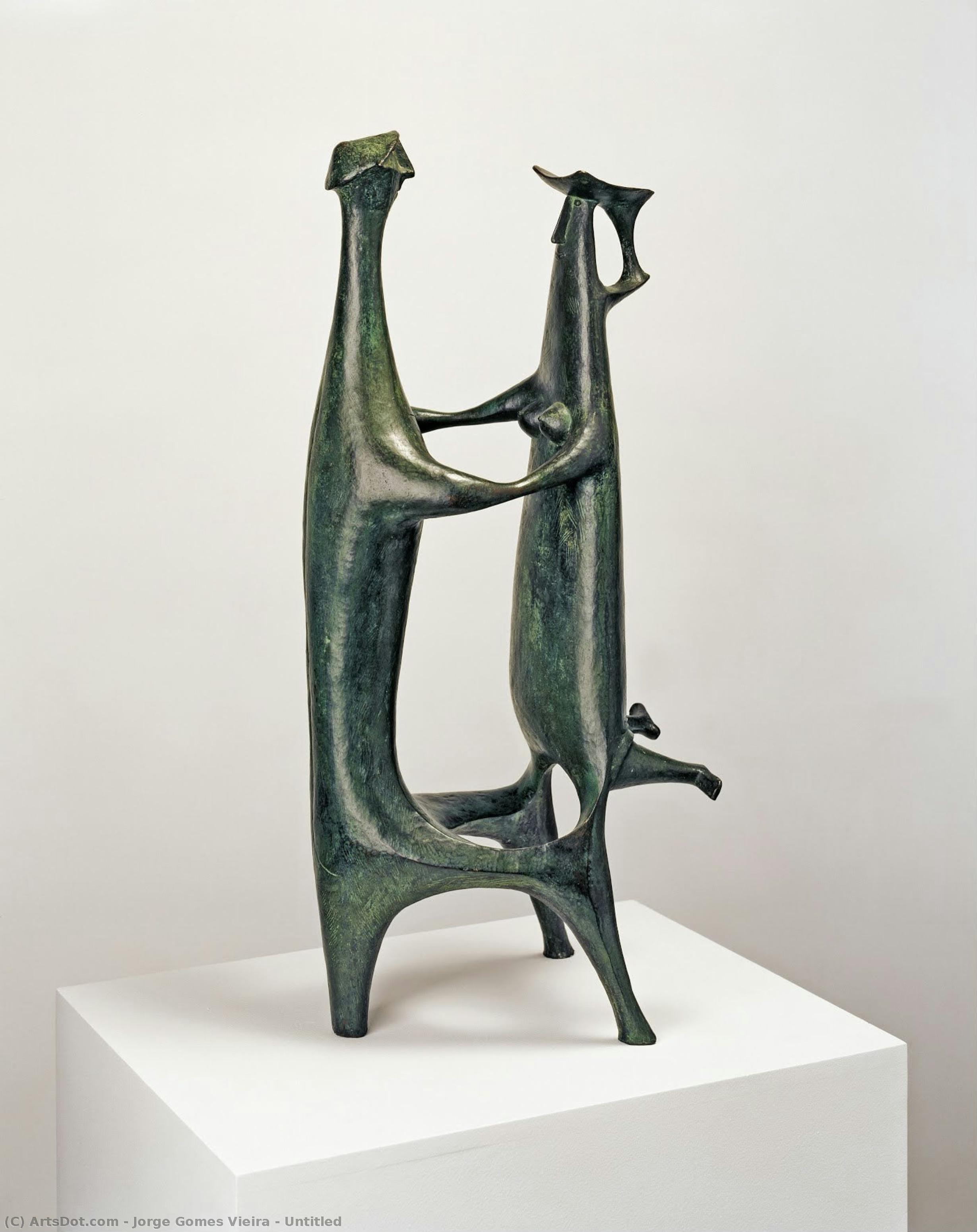
Untitled
 1955
1955 84.0 x 38.0 cm
 Culturgest - Fundação Caixa Geral de Depósitos
 Читать далее
Жикле / Арт-принт
Печать (жикле) или холст музейного качества с быстрыми сроками изготовления и широким выбором вариантов отделки. ( Купить картину ручной работы Перейти к цифровым изображениям)




































Выберите один из наших стандартных размеров, соответствующих оригинальным пропорциям произведения искусства.

Вы можете указать свои собственные размеры, чтобы репродукция идеально подошла под конкретную раму или пространство. Если выбранный вами размер не будет соответствовать пропорциям оригинала, мы либо обрежем произведение, либо дополним изображение зеркальным отражением краев или однотонной заливкой. Перед началом производства вам будет отправлен цифровой макет для утверждения.
Пожалуйста, обратите внимание, что предварительный просмотр на экране не отображает фактическую обрезку или расширение изображения. Только макет точно покажет финальную композицию.
Несмотря на возможность заказа индивидуальных размеров, мы рекомендуем выбирать размер из предопределенного списка, чтобы сохранить оригинальные пропорции.
Доставка по всему миру () за 2 недели вместо стандартных 4/5 недель. (11 Сентябрь)

Бесплатная экспресс-доставка по всему миру

Высококачественный льняной холст

Полное страхование доставки

Гарантия возмещения таможенных пошлин

Гарантия точного соответствия цветов

100-дневная политика возврата (только при обнаружении дефектов)

Гарантия возврата 100% средств

Предложение оптовых скидок
 Вариант со стеклом доступен только для размеров менее 110 см

Untitled
Жикле / Арт-принт
Размер репродукции
-


Итоговая стоимость
$ 62
Похожие произведения







Биография художника
Jorge Gomes Vieira: Sculptor of Light and Memory
Jorge Gomes Vieira (Lisbon, Portugal – 1998) emerged as a pivotal figure in Portuguese sculpture during the mid-century period, marking a significant departure from prevailing artistic conventions. Born November 18, 1922, Vieira’s formative years were steeped in architectural studies at Lisbon University, followed by a focused dedication to sculpting at the Escola de Belas Artes – an education that instilled within him a profound appreciation for form and materiality. His journey into international art began with enrollment at Slade School of Fine Arts in London (1954), where he honed his craft alongside luminaries like Henry Moore, absorbing influences that would shape his distinctive artistic vision. Vieira’s sculptural oeuvre is characterized by an unwavering commitment to simplicity and abstraction, prioritizing fundamental geometric shapes—primarily spheres and cubes—to convey emotional resonance. He skillfully manipulated materials such as stone and bronze, achieving remarkable textural contrasts and capturing the essence of natural forms with meticulous precision. His work reflects a deep engagement with Surrealist principles, mirroring the exploration of subconscious imagery and dreamlike states championed by André Breton and his fellow artists. This stylistic inclination is evident in pieces like “Touro,” where Vieira’s masterful use of terracotta embodies both primal energy and contemplative stillness—a duality that encapsulates the core of his artistic philosophy. Throughout his prolific career, Vieira participated in numerous exhibitions across Europe and Latin America, garnering acclaim for his innovative approach to sculpture and establishing himself as a leading voice within the Portuguese art scene. Notably, he secured the First Prize for Sculpture at the II Exposição de artes plásticas by Fundação Calouste Gulbenkian (1961), recognizing his exceptional talent and artistic merit. His monumental “Homem-sol” sculpture commissioned for Expo’98 in Lisbon stands as a testament to his enduring legacy—a striking symbol of Portuguese identity and artistic ambition. Vieira's artistic trajectory was profoundly impacted by the political climate of Portugal during his lifetime, particularly the repressive regime established after António Salazar’s ascension to power. Recognizing the importance of artistic freedom and expression, Vieira actively engaged in movements advocating for social justice and challenging ideological constraints—a stance that solidified his reputation as a courageous artist committed to humanist values. His sculptures served as visual representations of resistance against oppression, conveying messages of hope and resilience amidst turbulent times. Vieira’s influence extended beyond the realm of sculpture itself, inspiring younger generations of artists to embrace experimentation and explore unconventional materials and techniques. He championed the use of engobes—an ancient ceramic glazing method—introducing vibrant colors onto terracotta surfaces—a bold innovation that revitalized traditional craftsmanship while simultaneously pushing artistic boundaries. His unwavering dedication to exploring the interplay between form and color cemented his place as a pioneer in contemporary sculpture, leaving an indelible mark on Portuguese art history.- Notable Exhibitions: São Paulo Biennial (1953), London Institute of Contemporary Art Exhibition (1955-1956), II Exposição de artes plásticas Fundação Calouste Gulbenkian (1961)
- Major Achievements: First Prize for Sculpture at Fundação Calouste Gulbenkian (1961); Monumental sculpture “Homem-sol” commissioned for Expo’98
- Influences: Surrealism; Henry Moore
- Materials Employed: Stone, Bronze, Terracotta, Engobes

jorge gomes vieira
1922 - 1998 , Португалия
Основные сведения
- Artistic Movement Or Style: Minimalist & Abstract Stone Art
- Artists Or Movements Influenced By This Artist: ['Cubism']
- Artists Who Influenced This Artist: ['Henry Moore']
- Date Of Birth: November 18, 1922
- Date Of Death: July 24, 1998
- Full Name: Jorge Gomes Vieira
- Nationality: Portuguese
- Notable Artworks: ['Untitled']
- Place Of Birth: Lisbon, Portugal