


 Предпросмотр
 Поделиться
 Поделиться
 Детали произведения

 Скачать
 Похожие работы
 Рентгенография
 Слайд-шоу
 Статистика
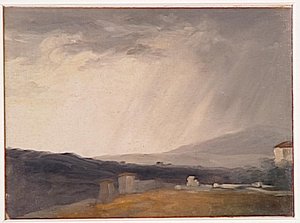
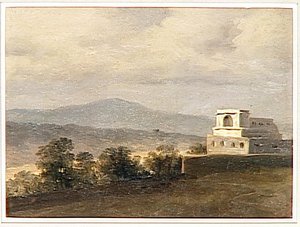
Scene from the Garden of the Villa Borghese in Rome
 Romanticism
 1839
1839 43.0 x 47.0 cm
 Читать далее
Масляная репродукция ручной работы
Картина маслом на холсте в выбранном вами размере и раме, написанная на заказ нашими художниками. ( Перейти к печати Перейти к цифровым изображениям)




































Выберите один из наших стандартных размеров, соответствующих оригинальным пропорциям произведения искусства.

Вы можете указать собственные размеры, чтобы картина идеально вписалась в выбранную раму или пространство. Если выбранный вами размер не соответствует пропорциям оригинала, мы либо обрежем полотно, либо расширим его за счет дополнительных элементов, написанных вручную. Цифровой макет будет отправлен вам на утверждение перед началом производства.
Обратите внимание, что предварительный просмотр на экране не отражает фактическую обрезку или расширение. Только макет точно покажет окончательную композицию.
Хотя доступны индивидуальные размеры, мы рекомендуем выбирать вариант из предопределенного списка, чтобы сохранить исходные пропорции.
После оформления заказа команда ArtsDot.com свяжется с клиентом по электронной почте для уточнения деталей и предоставит предварительный макет
Доставка по всему миру () за 3–4 недели вместо стандартных 5 недель. (13 Сентябрь). Без компромиссов в качестве.

Бесплатная экспресс-доставка по всему миру

Высококачественный льняной холст

Полное страхование доставки

Гарантия возмещения таможенных пошлин

Гарантия точного соответствия цветов

100-дневная политика возврата (только при обнаружении дефектов)

Гарантия возврата 100% средств

Предложение оптовых скидок
 Вариант со стеклом доступен только для размеров менее 110 см

Scene from the Garden of the Villa Borghese in Rome
Техника репродукции
Размер репродукции
-


Итоговая стоимость
$ 263
Похожие произведения
Биография художника
Jørgen Roed: A Master of Danish Genre and Portraiture
Jørgen Roed (1808-1888) stands as a significant figure within the vibrant tapestry of 19th-century Danish art, particularly renowned for his evocative portrayals of everyday life and distinguished portraiture. Born in Ringsted, Denmark, to Peder Jørgensen Roed and Ellen Hansdatter, his early life was steeped in rural traditions – his father a member of the local council and involved in farming and distilling. This grounding in the practical realities of Danish society would profoundly influence his artistic vision, shaping his ability to capture the nuances of human interaction and the beauty of the natural world with remarkable detail.
Roed’s artistic journey commenced under the tutelage of schoolteacher J.J. Fyhn, a modest beginning that ignited a lifelong passion for drawing and painting. Recognizing his talent, his parents secured him a place at the Royal Danish Academy of Art in Copenhagen in 1822, where he received formal training from esteemed artists like Hans Hansen (father of Constantin Hansen) and later, Christoffer Wilhelm Eckersberg – a pivotal influence who shaped Roed’s approach to composition, color, and the depiction of human form. This period marked not only his artistic development but also the forging of lasting friendships with fellow students, including Eckersberg's son, contributing to the dynamic creative environment that defined the “Golden Age” of Danish painting.
Early Career and Artistic Development
Roed’s early career was characterized by a diligent study of established techniques, initially focusing on copying works by masters like Raphael. However, he quickly distinguished himself through his ability to imbue these reproductions with a sense of life and observation. His initial exhibitions at Charlottenborg Spring Exhibition showcased a growing confidence and an emerging style – a blend of realism and sensitivity that would become the hallmark of his work. He spent time in Italy during the 1830s, immersing himself in the landscapes and artistic traditions of the region, further refining his skills and broadening his subject matter.
A key turning point in Roed’s career was his association with Hans Hansen, whose studio he frequented. This mentorship provided him with invaluable experience in portraiture, a genre that would ultimately become one of his most celebrated achievements. The influence of Eckersberg, combined with the practical lessons learned from Hansen, allowed Roed to develop a distinctive style – characterized by meticulous detail, atmospheric perspective, and an ability to capture the essence of his subjects with both accuracy and empathy.
Subjects and Style: Genre Scenes and Portraits
Roed’s artistic output encompassed a diverse range of subjects, but he is particularly recognized for his captivating genre paintings. These scenes from everyday life – depicting farmers tending their fields, fishermen returning from the sea, or families gathered around a hearth – offer intimate glimpses into the rhythms and customs of rural Denmark. His compositions are often imbued with a sense of quiet dignity and understated beauty, reflecting a deep appreciation for the simple pleasures of country life.
Alongside his genre paintings, Roed excelled as a portraitist. His portraits capture not only physical likeness but also the personality and character of his subjects – from distinguished gentlemen to humble villagers. He possessed a remarkable ability to convey emotion through subtle gestures and expressions, creating images that are both visually arresting and psychologically insightful. Notable examples include “Valdemar Hjartvar Købke,” a portrait of his brother, showcasing Roed’s technical skill and his talent for capturing the likeness of his family.
Notable Works and Legacy
Roed's artistic legacy is firmly established within the collections of prominent museums throughout Denmark, including the National Gallery of Denmark and the Horsens Art Museum. His paintings offer a valuable window into 19th-century Danish society, providing insights into its culture, traditions, and values. Works such as “Scene from Villa Borghese” (1839) exemplify his mastery of architectural detail and romantic realism, while “A Street in Roskilde with the Cathedral in the Background” demonstrates his ability to capture the atmospheric beauty of Danish landscapes.
Jørgen Roed’s contribution to Danish art is undeniable. He was a key figure in the Golden Age of Danish Painting, embodying its ideals of realism, sensitivity, and national pride. His paintings continue to be admired for their technical skill, emotional depth, and enduring appeal, ensuring his place as one of Denmark's most celebrated artists.
Further Exploration
For more information about Jørgen Roed’s life and work, please refer to the following resources:
- ArtsDot.com: Jørgen Roed Artist Profile
- Wikipedia - Jørgen Roed
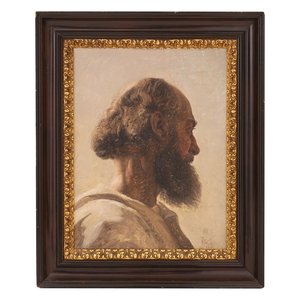
jørgen roed (1808–88)
1808 - 1888 , Denmark
Основные сведения
- Artistic Movement Or Style: Golden Age Danish Painting
- Artists Or Movements Influenced By This Artist:
- Constantin Hansen
- Danish Golden Age
- Artists Who Influenced This Artist:
- Hans Hansen
- Christoffer Eckersberg
- Date Of Birth: January 13, 1808
- Date Of Death: August 8, 1888
- Full Name: Jørgen Roed
- Nationality: Danish
- Notable Artworks:
- Scene from Villa Borghese
- Portrait of a young woman
- Italian landscape (various)
- Place Of Birth: Ringsted, Denmark
Похожие статьи
The Evocative Embrace of Reality: Exploring Romantic Realism in 19th-Century Painting
Explore the captivating world of Romantic Realism! Discover key artists like Courbet & Millet, masterpieces, and the social context behind this influential art movement. Expert insights for collectors at ArtsDot.

Эхо лазурного побережья: Искусство создания гармонии в интерьерах средиземноморских вилл
Создайте атмосферу гармонии и роскоши в своей средиземноморской вилле! Узнайте секреты дизайна, вдохновленные историей Древнего Рима. Экспертные советы по выбору произведений искусства, материалов и освещения.

Romantic Realism's Finest: 10 Masterpieces for Your Home | ArtsDot
Explore 10 defining masterpieces of Romantic Realism! Discover Courbet, Millet & Daumier's powerful paintings—capturing emotion and social realities. Find museum-quality reproductions for your home at ArtsDot.com.

Романтический пейзаж: 10 шедевров, изменивших искусство | ArtsDot.com
Погрузитесь в мир романтического пейзажа! 10 шедевров Фридриха, Тёрнера и других гениев. Узнайте историю создания культовых картин и вдохновитесь для декора интерьера. Репродукции высокого качества на ArtsDot.com.
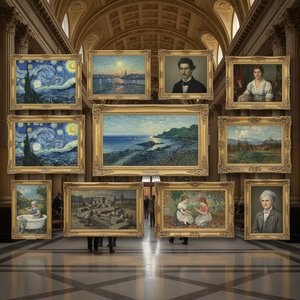
Топ-10 шедевров XIX века: искусство, история и декор от ArtsDot.com
Погрузитесь в мир искусства XIX века! От реализма до импрессионизма – 10 величайших картин, истории художников и вдохновение для вашего интерьера. Репродукции высокого качества на ArtsDot.com. Откройте всю коллекцию онлайн!