

 Предпросмотр
 Поделиться
 Поделиться
 Детали произведения

 Скачать
 Похожие работы
 Рентгенография
 Слайд-шоу
 Статистика
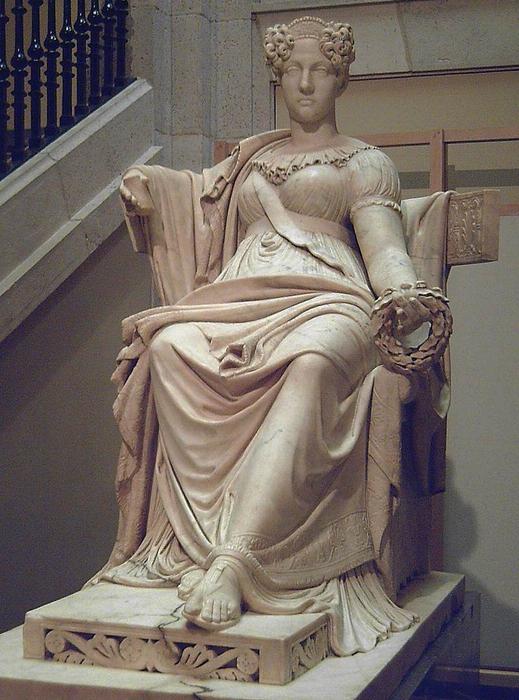
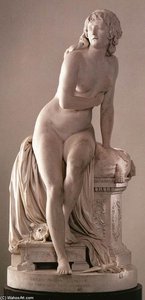
Isabel de Braganza, Queen of Spain


 Читать далее
Приобретите цифровое изображение высокого разрешения в улучшенном качестве, которое значительно превосходит онлайн-превью.
Каждый файл тщательно подготавливается нашими специалистами с использованием передовых инструментов и экспертной ручной ретуши. Мы гарантируем исключительную четкость, точную цветопередачу и детальную проработку каждого изображения.
Финальный файл доставляется по электронной почте в течение 72 часов и оптимизирован для немедленного использования в профессиональной среде, при верстке и печати. Это тот же уровень качества, которому доверяют ведущие дизайнерские студии, издательства и галереи.
Цифровое изображение
Скачайте файл высокого разрешения для личного использования, печати и творческих проектов. ( Перейти к печати Купить картину ручной работы)
Включено в каждый заказ цифровых изображений
Гарантия экспертной цифровой доставки
Выбирая ArtsDot.com, вы получаете не просто изображение — вы приобретаете профессионально обработанное цифровое произведение искусства, созданное с безупречной точностью и под защитой гарантии качества. Вот всё, что автоматически входит в ваш заказ:

Мгновенная доставка по e-mail
Ваш цифровой файл в высоком разрешении будет отправлен вам по электронной почте в течение 72 часов после оформления заказа — и сразу станет доступен для использования.

Цифровой файл с ИИ-улучшением
Ваше произведение искусства проходит профессиональную оптимизацию с использованием передовых инструментов ИИ и ручной обработки, что гарантирует максимальную детализацию, четкость и точность цветопередачи.

Бессрочная бесплатная повторная доставка
Случайно удалили или потеряли файл? Не беспокойтесь — мы отправим его вам повторно в любое время и совершенно бесплатно.

Без импортных пошлин — навсегда
Наслаждайтесь вашим произведением искусства мгновенно без таможенных пошлин, сборов или затрат на доставку — цифровые загрузки всегда не облагаются налогом.

Гарантия точности цветопередачи
Мы гарантируем, что ваше цифровое изображение максимально точно передает оригинальные цвета благодаря использованию профессиональных инструментов и систем управления цветом.

Гарантия удовлетворенности 100 дней
Если вы не будете удовлетворены своим цифровым изображением, мы внесем правки или вернем 100% стоимости в течение 100 дней — без лишних вопросов.

100% Гарантия возврата средств
Не удовлетворены покупкой? Получите полный возврат средств в течение 100 дней после получения цифрового файла — без лишних вопросов.

Скидки на оптовые заказы
Купите 3 изображения, сэкономьте 10% — Купите 5, сэкономьте 15% — Купите 10+, сэкономьте 20%. Отличное решение для творческих проектов, галерей и агентств.
The Echoes of Regal Grace: An Encounter with Neoclassical Majesty
To stand before José Álvarez Cubero’s depiction of Isabel de Braganza, Queen of Spain, is to step across the threshold of time and into an era defined by idealized beauty and profound classical ideals. This sculpture is not merely a likeness; it is a carefully sculpted meditation on power, piety, and enduring feminine grace. The figure, seated with an air of serene authority, embodies the zenith of Neoclassical taste—a style that sought to recapture the perceived purity and perfection of ancient Greek and Roman artistry. One cannot help but feel the weight of history emanating from the cool, flawless marble, suggesting a lineage of queens whose virtues were meant to be immortalized in stone.
Mastery in Marble: Technique and Form
Cubero’s technical prowess is breathtakingly evident in every fold of drapery and every subtle curve of the posture. The artist, deeply influenced by the grand traditions established by masters like Antonio Canova, utilized marble not just as a material, but as an extension of his own vision. Observe how the sculptor has managed the texture; the stone appears impossibly smooth to the touch, capturing the diffused light that seems to bathe the figure in perpetual afternoon glow. The drapery falls with a naturalistic weight, creating deep, rhythmic shadows against planes of polished white—a masterful interplay between negative and positive space. This subtractive art form demands an almost unimaginable level of control, allowing Cubero to suggest volume and life within the cold permanence of stone.
Symbolism of Sovereignty and Virtue
The subject matter itself speaks volumes about the role of royalty in the early 19th century. Isabel de Braganza is presented not just as a queen, but as an archetype—a symbol of Spain’s enduring cultural heritage. The wreath adorning her head elevates her status beyond mere portraiture; it suggests divine favor or eternal commemoration. Symbolically, the piece speaks to the ideal balance between earthly power and spiritual virtue. It invites the viewer to contemplate what constitutes true nobility: is it lineage, or is it the quiet dignity reflected in a poised bearing?
Bringing Antiquity Home: Decorating with Timeless Art
For the discerning collector or interior designer, this reproduction offers an unparalleled opportunity to infuse a space with cultured gravitas. Imagine this sculpture gracing a grand foyer, lending an immediate air of cultivated history and sophisticated taste. Its classical lines harmonize effortlessly with both opulent Baroque settings and minimalist modern interiors, acting as a singular focal point that anchors the room in timeless elegance. Owning such a piece is not simply acquiring art; it is curating an atmosphere—a sanctuary imbued with the quiet majesty of historical portraiture.
Похожие произведения
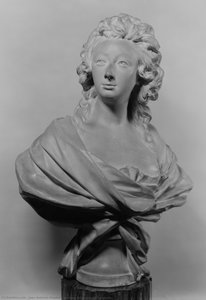
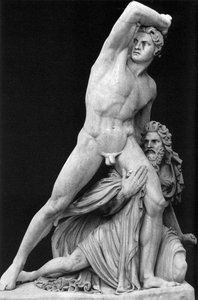


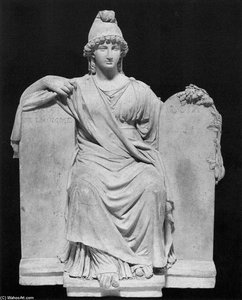
Биография художника
José Álvarez Cubero: A Life in Neoclassical Sculpture
Early Life and Education
- Born: 23 April 1768, Priego de Córdoba, Spain.
- José Álvarez Cubero began his artistic journey as the son of a stonemason, displaying an early aptitude for drawing and modeling.
- He received formal training from the French sculptor Miguel Verdiguier in Cordova and later at the Academy of San Fernando in Madrid.
Career Development & Influences
- Royal Patronage: In 1799, King Charles IV awarded Cubero a pension to study art in Paris and Rome – pivotal cities for Neoclassical sculpture.
- Influences: While in these artistic hubs, he was profoundly influenced by the works of Antonio Canova, adopting and refining the principles of Neoclassicism.
- His early work demonstrated a growing mastery of anatomical detail and classical forms.
Major Works & Artistic Style
- “Ganymede” (1804): Executed in Paris, this sculpture brought Cubero immediate acclaim and established his reputation as a leading sculptor.
- “Antilochus and Memnon” (1818): Commissioned by Ferdinand VII, this marble group is considered one of his most successful works and now resides in the Museum of Madrid.
- Portrait Busts: He also created remarkable portrait busts of prominent figures like Ferdinand VII, Gioacchino Rossini, and the Duchess of Alba, noted for their vigor and fidelity.
- “The Defence of Zaragoza” (1823): A significant work depicting a heroic scene from Spanish history.
Political Challenges & Later Life
- Imprisonment: Cubero’s refusal to acknowledge Joseph Bonaparte as King of Spain led to his imprisonment in Rome, demonstrating his strong patriotic convictions.
- Following his release, he briefly worked for Napoleon I decorating the Quirinal Palace.
- Court Sculptor: In 1816, he was appointed court sculptor to Ferdinand VII, solidifying his position within Spanish artistic circles.
- Upon returning to Madrid, Cubero dedicated himself to teaching at the Academy of San Fernando.
Legacy & Historical Significance
- Mentorship: He mentored a new generation of Spanish sculptors, including Ponciano Ponzano, who became one of the most celebrated Neoclassical sculptors of his time.
- Neoclassical Contribution: Cubero played a crucial role in establishing and promoting Neoclassical sculpture in Spain, bridging the gap between Italian and Spanish artistic traditions.
- Death: José Álvarez Cubero died on 26 November 1827, in Madrid, leaving behind a legacy of refined craftsmanship and patriotic dedication.
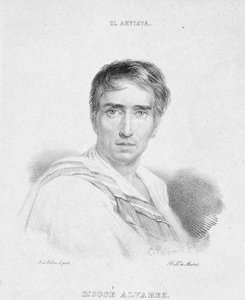
josé álvarez cubero
1768 - 1827 , Spain
Основные сведения
- Birth Date: 23 April 1768
- Birth Place: Priego de Córdoba, Spain
- Death Date: 26 November 1827
- Influenced: Ponciano Ponzano
- Influenced By: Miguel Verdiguier, Antonio Canova
- Movement: Neoclassical
- Name: José Álvarez Cubero
- Nationality: Spanish
- Notable Works:
- Ganymede
- The Defence of Zaragoza
- Antilochus and Memnon