

 Поделиться
 Поделиться
 Детали произведения

 Скачать
 Похожие работы
 Слайд-шоу
 Статистика
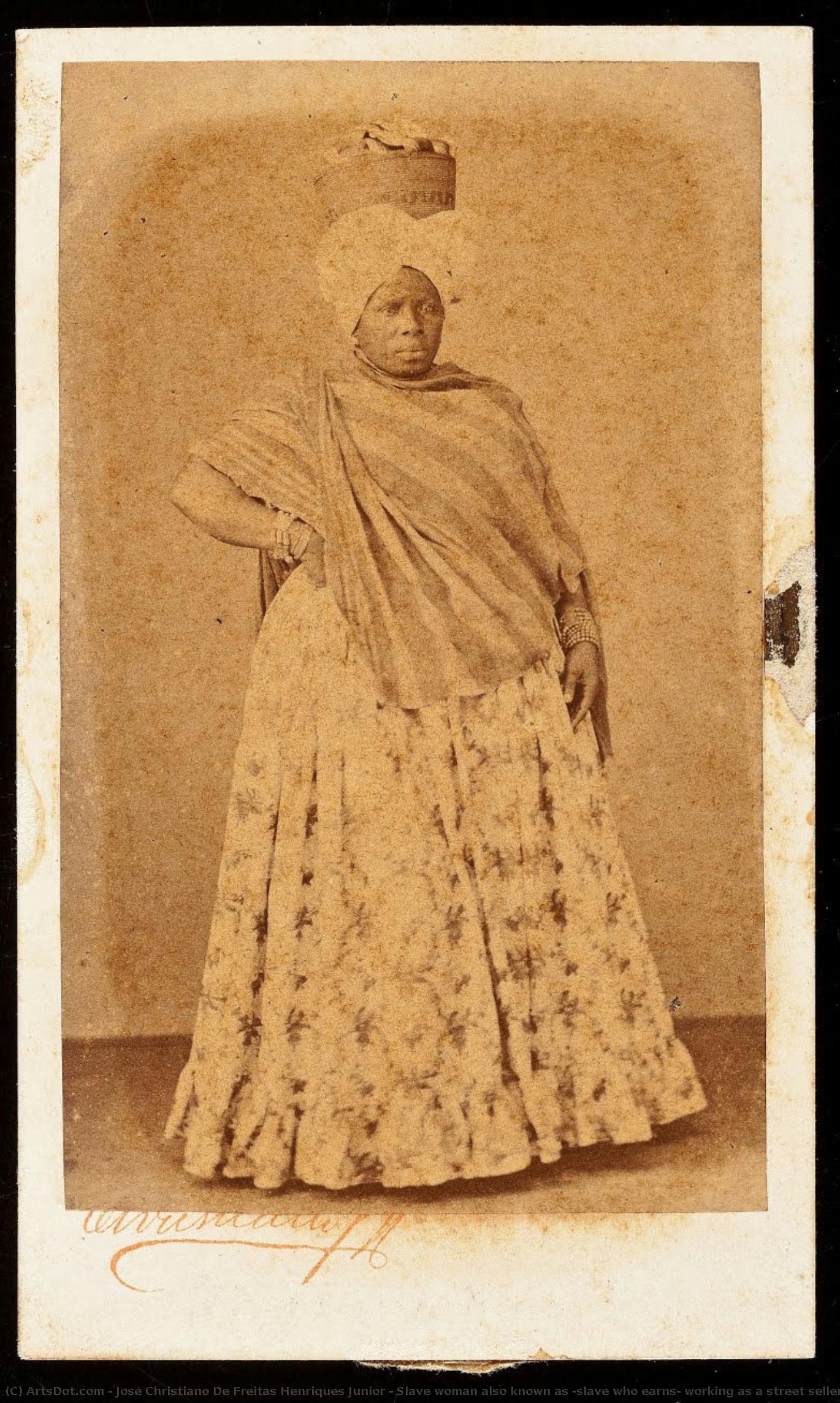
Slave woman also known as “slave who earns” working as a street seller
 Photography
- Photo
 1864
1864- 19th Century
 9.0 x 6.0 cm
 Национальный исторический музей
 Читать далее
Жикле / Арт-принт
Печать (жикле) или холст музейного качества с быстрыми сроками изготовления и широким выбором вариантов отделки. ( Купить картину ручной работы Перейти к цифровым изображениям)




































Выберите один из наших стандартных размеров, соответствующих оригинальным пропорциям произведения искусства.

Вы можете указать свои собственные размеры, чтобы репродукция идеально подошла под конкретную раму или пространство. Если выбранный вами размер не будет соответствовать пропорциям оригинала, мы либо обрежем произведение, либо дополним изображение зеркальным отражением краев или однотонной заливкой. Перед началом производства вам будет отправлен цифровой макет для утверждения.
Пожалуйста, обратите внимание, что предварительный просмотр на экране не отображает фактическую обрезку или расширение изображения. Только макет точно покажет финальную композицию.
Несмотря на возможность заказа индивидуальных размеров, мы рекомендуем выбирать размер из предопределенного списка, чтобы сохранить оригинальные пропорции.
Доставка по всему миру () за 2 недели вместо стандартных 4/5 недель. (13 Сентябрь)

Бесплатная экспресс-доставка по всему миру

Высококачественный льняной холст

Полное страхование доставки

Гарантия возмещения таможенных пошлин

Гарантия точного соответствия цветов

100-дневная политика возврата (только при обнаружении дефектов)

Гарантия возврата 100% средств

Предложение оптовых скидок
 Вариант со стеклом доступен только для размеров менее 110 см

Slave woman also known as “slave who earns” working as a street seller
Жикле / Арт-принт
Размер репродукции
-


Итоговая стоимость
$ 62
A Glimpse Through the Sepia Lens: The Poise of Resilience
In this evocative vintage photograph from 1864, we are transported back to a transformative era in the mid-19th century. The image captures a woman, historically identified as a "slave who earns," standing with a profound sense of dignity that transcends her social station. Through the lens of José Christiano de Freitas Henriques Junior, the subject is presented not merely as a figure of historical record, but as a portrait of individual strength. Dressed in flowing attire and adorned with an intricate headpiece—perhaps a turban or a structured hat—she commands the frame with a quiet, unwavering confidence. The sepia tones and the delicate graininess of the print act as a veil of time, softening the edges of the past while sharpening our emotional connection to her presence.
The composition is masterfully simple, focusing entirely on the subject's poise against a subtle backdrop. This simplicity allows the viewer to engage deeply with the textures of her clothing and the enigmatic expression on her face. There is a rhythmic quality to the way her garments drape, suggesting a moment of stillness amidst the bustling life of a street seller. For the collector or the interior designer, this piece offers more than just a historical document; it provides a soulful focal point that invites contemplation on the complexities of identity and the enduring nature of human spirit.
The Artistry of Memory and Historical Resonance
The technique employed by Henriques Junior reflects the burgeoning capabilities of 19th-century photography, where the interplay of light and shadow began to tell stories far more nuanced than mere documentation. The sepia filter, while likely a result of both the chemical processes of the era and modern preservation, imbues the photograph with a nostalgic warmth. This tonal palette creates an atmosphere of reverence, turning a portrait of a street seller into a monumental study of character. The artist’s ability to capture such a striking sense of composure in a period marked by intense social dynamics is nothing short of remarkable.
Beyond its aesthetic appeal, the photograph serves as a poignant symbol of survival and agency. The title, referencing her status as one who "earns," hints at a hidden narrative of economic navigation within a restrictive social hierarchy. To display a high-quality reproduction of this work is to bring a piece of profound history into a contemporary space—a way to honor the resilience of those who navigated the shadows of history with grace. It is an ideal acquisition for those who seek art that possesses both academic depth and a haunting, beautiful aesthetic that complements sophisticated, curated interiors.
Похожие произведения
Биография художника
early life and career
josé christiano de freitas henriques junior, also known as christiano junior, was a portuguese-born photographer who left an indelible mark on the history of photography in argentina. born in 1832 in santa cruz das flores, portugal, junior emigrated to brazil in 1855 and later settled in argentina, where he would establish himself as one of the most prominent photographers of the 19th century.photographic work
junior's photographic work is characterized by its diverse subjects, ranging from slave woman also known as “slave who earns” working as a street seller, a painting that showcases his early work in rio de janeiro, to capturing the essence of argentine cities and their people. his photographs not only provide a glimpse into the lives of those he photographed but also serve as a testament to the era's social dynamics.- notable works: slave men, another painting that highlights junior's early work in rio de janeiro, showcasing his ability to capture the essence of his subjects. vistas y costumbres de la república argentina, a monumental project that aimed to photographically document the argentine republic from the atlantic to the andes.
- photographic style: junior's photographs are known for their candid nature, often capturing his subjects in professional activities or street scenes.
museums and collections
junior's work can be found in various museums and collections, including the museu histórico nacional (rio de janeiro, brazil), which houses some of his early photography work. his later work, particularly from his time in argentina, is part of the general archive of the nation, as acquired by alexander witcomb.- notable collections: josé christiano de freitas henriques junior's work on ArtsDot, featuring a selection of his photographs. the general archive of the nation, which houses junior's later work acquired by alexander witcomb.
legacy and later life
junior ceased his activity as a photographer in 1883, after four years of traveling throughout argentina. he died in asunción, paraguay, in 1902. despite the unfinished nature of his monumental project, junior's work remains one of the most significant contributions to argentine photography.- legacy: christiano junior's photographs serve as a window into the lives of those he captured, providing invaluable insights into the social and cultural landscape of 19th-century argentina.
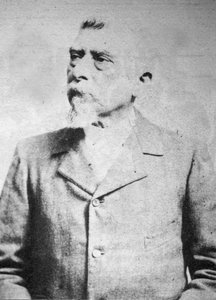
josé christiano de freitas henriques junior
1832 - 1902 , Portugal
Основные сведения
- Artistic Movement Or Style: Photography
- Date Of Birth: 1832
- Date Of Death: 1902
- Full Name: José Christiano de Freitas Henriques Junior
- Nationality: Portuguese
- Notable Artworks:
- Slave woman
- Slave men
- Vistas y Costumbres de la República Argentina
- Place Of Birth: Santa Cruz das Flores, Portugal
Похожие статьи
Топ-10 знаменитых картин в земляных тонах: искусство, история и декор от ArtsDot
Погрузитесь в мир знаменитых картин в земляных тонах! От Ван Гога до Моне – узнайте истории, техники и вдохновение великих мастеров. Купите репродукции высокого качества для вашего интерьера на ArtsDot.com
Топ-10 шедевров в песочных тонах: искусство, вдохновляющее интерьер
Погрузитесь в мир искусства с нашей коллекцией из 10 шедевров в песочных тонах! Узнайте истории Моне, Ван Гога и других великих художников. Репродукции картин для вдохновения интерьера – на ArtsDot.com
Топ-10 знаменитых картин в "грибных" тонах: искусство для вашего интерьера
Погрузитесь в мир искусства с нашей коллекцией из 10 знаменитых картин в "грибных" тонах! Узнайте истории Моне, Ван Гога и других великих мастеров. Репродукции высокого качества для вашего интерьера на ArtsDot.com.
The Resonance of Earthly Tones: Exploring Nuance, History & Emotional Impact in Art
Explore the captivating world of earth tones in art! Discover historical context, emotional resonance & artistic techniques behind these timeless colors. Find inspiration for your home decor and museum-quality reproductions.
Топ-10 шедевров XIX века: искусство, история и декор от ArtsDot.com
Погрузитесь в мир искусства XIX века! От реализма до импрессионизма – 10 величайших картин, истории художников и вдохновение для вашего интерьера. Репродукции высокого качества на ArtsDot.com. Откройте всю коллекцию онлайн!