

 Предпросмотр
 Поделиться
 Поделиться
 Детали произведения

 Скачать
 Похожие работы
 Рентгенография
 Слайд-шоу
 Статистика
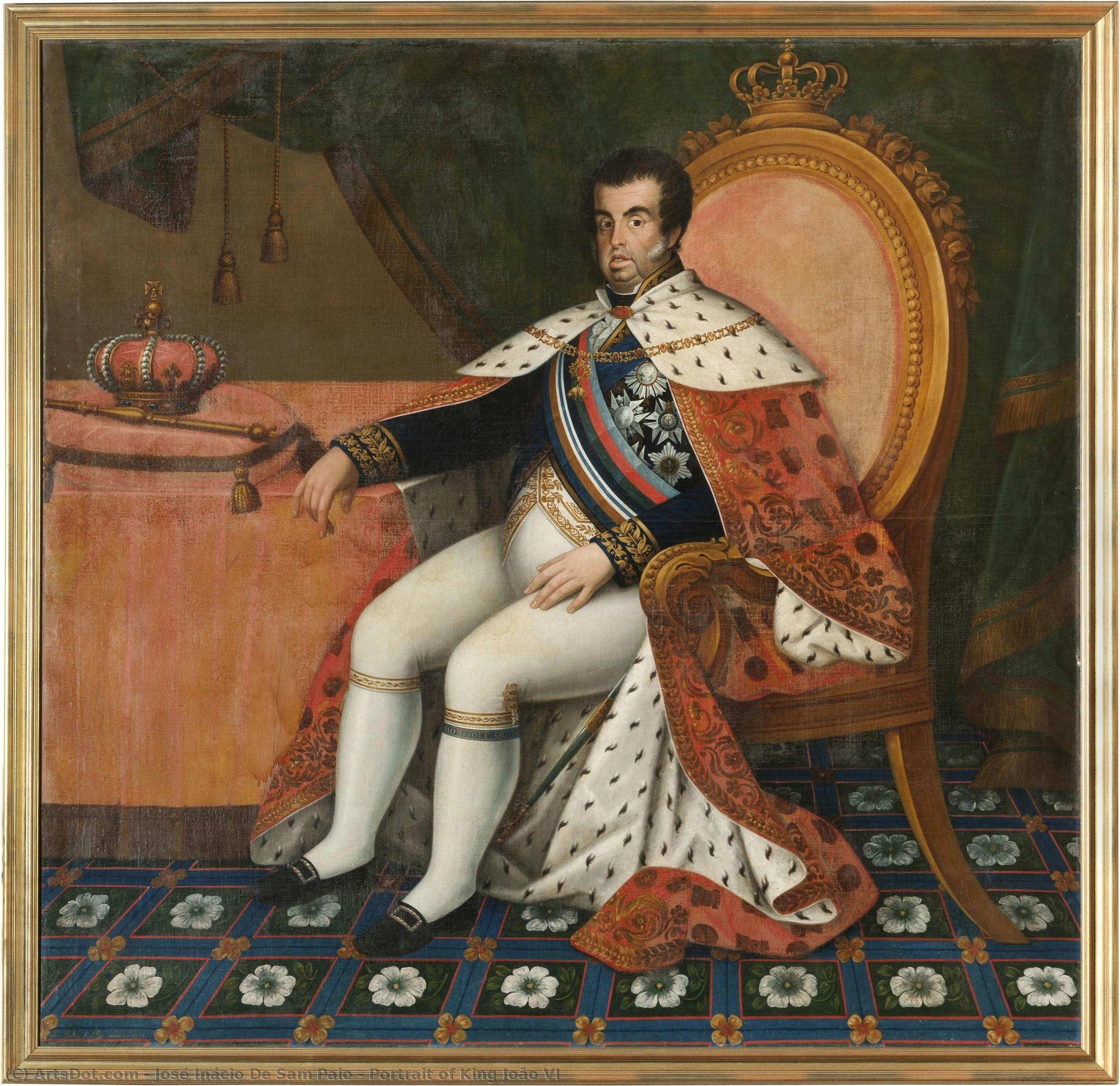
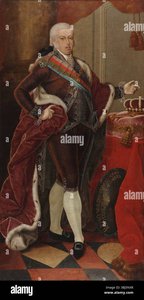
Portrait of King João VI
 Oil On Canvas
- WallArt
- World Goes Pop
 1824
1824 210.0 x 215.0 cm
 Дворец Мафры
 Читать далее
Приобретите цифровое изображение высокого разрешения в улучшенном качестве, которое значительно превосходит онлайн-превью.
Каждый файл тщательно подготавливается нашими специалистами с использованием передовых инструментов и экспертной ручной ретуши. Мы гарантируем исключительную четкость, точную цветопередачу и детальную проработку каждого изображения.
Финальный файл доставляется по электронной почте в течение 72 часов и оптимизирован для немедленного использования в профессиональной среде, при верстке и печати. Это тот же уровень качества, которому доверяют ведущие дизайнерские студии, издательства и галереи.
Цифровое изображение
Скачайте файл высокого разрешения для личного использования, печати и творческих проектов. ( Перейти к печати Купить картину ручной работы)
Включено в каждый заказ цифровых изображений
Гарантия экспертной цифровой доставки
Выбирая ArtsDot.com, вы получаете не просто изображение — вы приобретаете профессионально обработанное цифровое произведение искусства, созданное с безупречной точностью и под защитой гарантии качества. Вот всё, что автоматически входит в ваш заказ:

Мгновенная доставка по e-mail
Ваш цифровой файл в высоком разрешении будет отправлен вам по электронной почте в течение 72 часов после оформления заказа — и сразу станет доступен для использования.

Цифровой файл с ИИ-улучшением
Ваше произведение искусства проходит профессиональную оптимизацию с использованием передовых инструментов ИИ и ручной обработки, что гарантирует максимальную детализацию, четкость и точность цветопередачи.

Бессрочная бесплатная повторная доставка
Случайно удалили или потеряли файл? Не беспокойтесь — мы отправим его вам повторно в любое время и совершенно бесплатно.

Без импортных пошлин — навсегда
Наслаждайтесь вашим произведением искусства мгновенно без таможенных пошлин, сборов или затрат на доставку — цифровые загрузки всегда не облагаются налогом.

Гарантия точности цветопередачи
Мы гарантируем, что ваше цифровое изображение максимально точно передает оригинальные цвета благодаря использованию профессиональных инструментов и систем управления цветом.

Гарантия удовлетворенности 100 дней
Если вы не будете удовлетворены своим цифровым изображением, мы внесем правки или вернем 100% стоимости в течение 100 дней — без лишних вопросов.

100% Гарантия возврата средств
Не удовлетворены покупкой? Получите полный возврат средств в течение 100 дней после получения цифрового файла — без лишних вопросов.

Скидки на оптовые заказы
Купите 3 изображения, сэкономьте 10% — Купите 5, сэкономьте 15% — Купите 10+, сэкономьте 20%. Отличное решение для творческих проектов, галерей и агентств.
The Majesty Embodied: Unveiling Sam Paio’s Portrait of King João VI
José Inácio de Sam Paio's 1824 portrait of King João VI of Portugal is more than just a likeness; it’s a meticulously crafted tableau vivant, a potent distillation of power, regality, and the burgeoning spirit of an empire. Painted during a pivotal moment in Portuguese history – a period marked by both expansion and internal unrest – this oil-on-canvas masterpiece offers a rare glimpse into the mind and persona of one of Portugal’s most complex rulers. The painting immediately commands attention with its scale; measuring 210 x 215 cm, it dominates any space, asserting the king's authority and importance.
A Study in Regal Detail: Technique and Composition
Sam Paio’s skill lies not merely in replicating a face, but in constructing an entire narrative through carefully orchestrated details. The composition is remarkably balanced, drawing the eye to King João VI seated with an air of quiet command. His posture – legs crossed, hands resting calmly on his lap – exudes confidence and control. The artist masterfully employs chiaroscuro, utilizing dramatic contrasts between light and shadow to sculpt the king’s features and imbue the scene with a sense of depth and realism. Note the subtle modeling of the fabrics—the rich velvet of his robe, the intricate folds of his cape—each rendered with painstaking precision. The use of color is restrained yet effective; deep reds and blues dominate, conveying wealth and status, while touches of gold highlight the royal insignia adorning his attire.
- Oil on Canvas: The medium itself contributes to the painting’s luxurious texture and luminous quality.
- Chiaroscuro: Dramatic lighting emphasizes form and creates a sense of depth.
- Color Palette: Restrained yet impactful, reflecting royal wealth and authority.
Historical Context: A King at the Crossroads
To fully appreciate this portrait, it’s crucial to understand the historical context in which it was created. João VI reigned during a period of immense change for Portugal – the rise of Brazil as an independent colony, the Napoleonic Wars that threatened the nation's very existence, and growing calls for constitutional reform. The king himself was a figure of considerable complexity: a staunch defender of tradition yet open to certain reforms, a powerful military leader yet increasingly reliant on advisors. The portrait captures this duality – a man firmly rooted in his royal heritage while simultaneously navigating the turbulent currents of the 19th century.
Research reveals that João VI’s reign was marked by significant expansion of Portuguese influence in Asia, particularly through the establishment of trading posts and settlements in India. His decision to move the capital from Lisbon to Rio de Janeiro in 1808, a direct response to Napoleon's invasion, fundamentally altered the political landscape of both Portugal and Brazil. The portrait, therefore, serves as a visual record of this momentous shift.
Symbolism and Interpretation: Beyond the Surface
Beyond its immediate depiction of the king, the portrait is laden with symbolic meaning. The ermine cloak, a traditional symbol of royalty, underscores João VI’s status as sovereign. The various orders and decorations adorning his attire – crosses, medals, and ribbons – represent his military achievements, political alliances, and service to the crown. Even the setting—a richly appointed room with a clock and dining table—contributes to the overall message: this is a portrait of a king presiding over a vast and prosperous empire. The gaze of the King, direct and unwavering, conveys authority and self-assurance.
Further research indicates that Sam Paio’s work was influenced by the Neoclassical style prevalent at the time, while also incorporating elements of Romanticism in its dramatic lighting and emotional intensity. The portrait stands as a testament to his artistic skill and his ability to capture the essence of a historical figure within a complex and dynamic era.
Похожие произведения



Биография художника
The Regal Legacy of José Inácio de Sampaio
In the grand tapestry of nineteenth-century Portuguese art, few names evoke the splendor of the monarchy as vividly as José Inácio de Sampaio. Born in the vibrant cultural hub of Lisbon, Sampaio emerged during a period of profound political and social transition in Portugal. While much of his early life remains shrouded in the mists of history, his artistic presence is undeniably etched into the annals of royal portraiture. He possessed a rare ability to translate the weight of sovereignty onto canvas, capturing not just the likeness of his subjects, but the very essence of the power they wielded.
Sampaio’s most enduring contribution to the art world is undoubtedly his 1824 masterpiece, the Portrait of King João VI. This monumental oil on canvas, measuring an imposing 210 x 215 cm, serves as a breathtaking testament to his technical prowess and his command over the language of royal iconography. In this work, the artist meticulously renders the King in his full Generalissimo's uniform, draped in a luxurious ermine cloak that signifies the highest reaches of nobility. Every detail—from the intricate decorations and various orders adorning the monarch to the heavy textures of the fabric—is executed with a precision that commands respect.
Technique and Artistic Vision
The brilliance of Sampaio’s work lies in his sophisticated use of medium and movement. His technique is characterized by a bold application of color and a masterful handling of light, which breathes life into the formal rigidity often found in state portraiture. By employing vigorous brushstrokes and a vivid palette, he moved beyond mere documentation, imbuing his subjects with a sense of vitality and presence. This approach allowed him to navigate the delicate balance between the stiff requirements of royal protocol and the expressive potential of the Romantic era.
His ability to manipulate form and line created a visual narrative of strength and legitimacy. In the Portrait of King João VI, the interplay of light on the metallic elements of the uniform and the soft, organic texture of the ermine creates a sensory experience for the viewer. This mastery of contrast is what elevates his work from a simple historical record to a profound piece of fine art that continues to resonate within the halls of the Palace of Mafra.
Historical Significance and Enduring Influence
Though Sampaio’s documented life concludes shortly after 1827, his impact on the Portuguese art scene remains significant. He belonged to a generation of painters who were tasked with defining the visual identity of a nation during a time of immense upheaval. Through his portraits, he helped solidify the imagery of the Portuguese crown, providing a visual anchor for national identity through the depiction of regalia and royal authority.
Today, the legacy of José Inácio de Sampaio can be traced through various international collections, including the Hastings Museum and Art Gallery in the United Kingdom. His work stands as a vital link to the nineteenth-century Portuguese aesthetic, offering modern scholars and art enthusiasts a window into a bygone era of grandeur. His contribution remains a cornerstone for anyone studying the evolution of European portraiture and the intersection of art and political power.
josé inácio de sam paio
Portugal
Основные сведения
- Artistic Movement Or Style: World Goes Pop
- Artists Or Movements Influenced By This Artist: ['Influences include various pop art figures']
- Artists Who Influenced This Artist: ['Influenced by diverse artists within the World Goes Pop movement']
- Date Of Death: Living
- Notable Artworks: ['Various works featured in The World Goes Pop exhibition']
- Place Of Birth: WahooArt