

 Предпросмотр
 Поделиться
 Поделиться
 Детали произведения

 Скачать
 Похожие работы
 Рентгенография
 Слайд-шоу
 Статистика
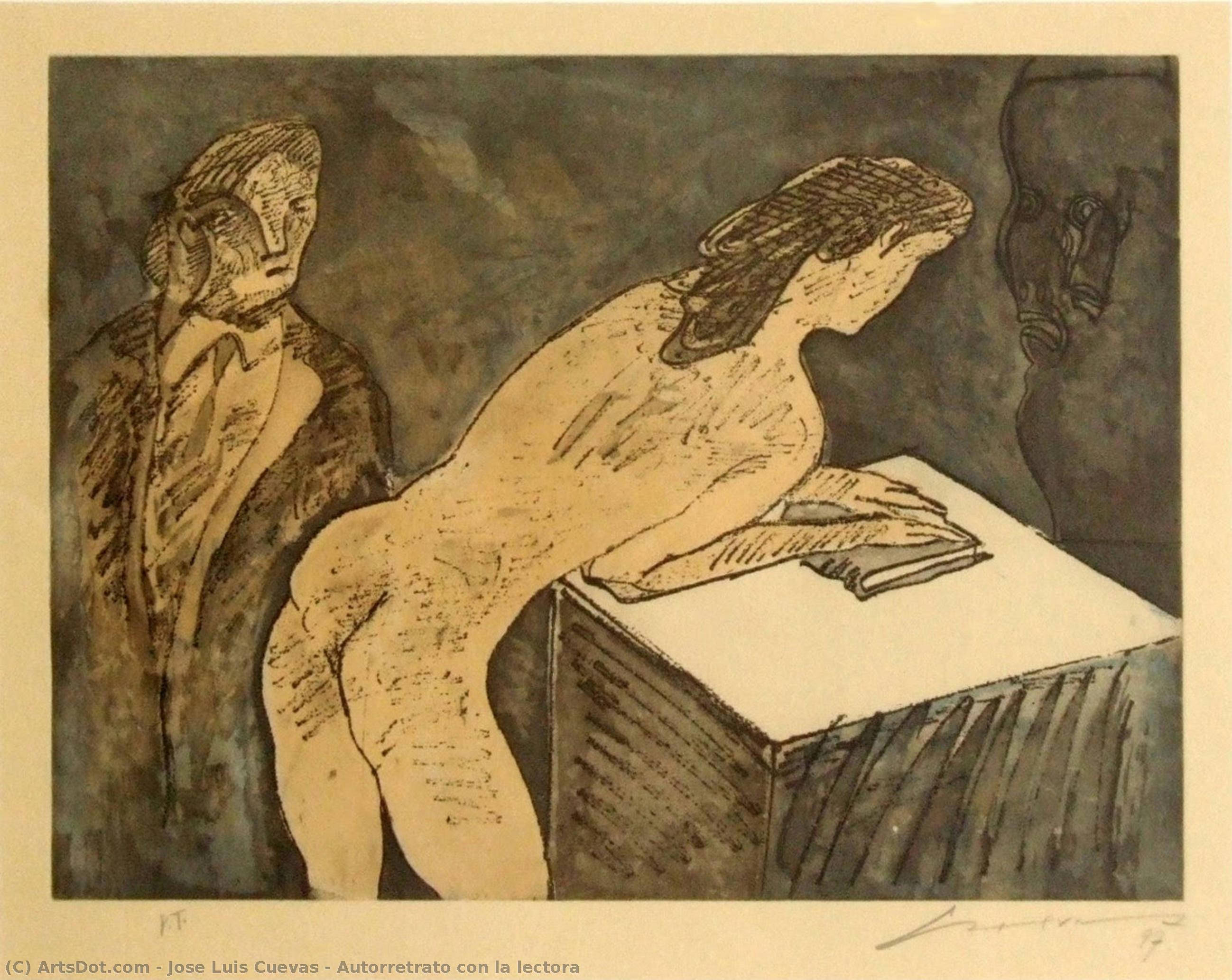
Autorretrato con la lectora
 Painting
- Contemporary Realism
 1997
1997- Contemporary
 56.0 x 70.0 cm
 Fundación Universidad de las Américas Puebla
 Читать далее
Приобретите цифровое изображение высокого разрешения в улучшенном качестве, которое значительно превосходит онлайн-превью.
Каждый файл тщательно подготавливается нашими специалистами с использованием передовых инструментов и экспертной ручной ретуши. Мы гарантируем исключительную четкость, точную цветопередачу и детальную проработку каждого изображения.
Финальный файл доставляется по электронной почте в течение 72 часов и оптимизирован для немедленного использования в профессиональной среде, при верстке и печати. Это тот же уровень качества, которому доверяют ведущие дизайнерские студии, издательства и галереи.
Цифровое изображение
Скачайте файл высокого разрешения для личного использования, печати и творческих проектов. ( Перейти к печати Купить картину ручной работы)
Включено в каждый заказ цифровых изображений
Гарантия экспертной цифровой доставки
Выбирая ArtsDot.com, вы получаете не просто изображение — вы приобретаете профессионально обработанное цифровое произведение искусства, созданное с безупречной точностью и под защитой гарантии качества. Вот всё, что автоматически входит в ваш заказ:

Мгновенная доставка по e-mail
Ваш цифровой файл в высоком разрешении будет отправлен вам по электронной почте в течение 72 часов после оформления заказа — и сразу станет доступен для использования.

Цифровой файл с ИИ-улучшением
Ваше произведение искусства проходит профессиональную оптимизацию с использованием передовых инструментов ИИ и ручной обработки, что гарантирует максимальную детализацию, четкость и точность цветопередачи.

Бессрочная бесплатная повторная доставка
Случайно удалили или потеряли файл? Не беспокойтесь — мы отправим его вам повторно в любое время и совершенно бесплатно.

Без импортных пошлин — навсегда
Наслаждайтесь вашим произведением искусства мгновенно без таможенных пошлин, сборов или затрат на доставку — цифровые загрузки всегда не облагаются налогом.

Гарантия точности цветопередачи
Мы гарантируем, что ваше цифровое изображение максимально точно передает оригинальные цвета благодаря использованию профессиональных инструментов и систем управления цветом.

Гарантия удовлетворенности 100 дней
Если вы не будете удовлетворены своим цифровым изображением, мы внесем правки или вернем 100% стоимости в течение 100 дней — без лишних вопросов.

100% Гарантия возврата средств
Не удовлетворены покупкой? Получите полный возврат средств в течение 100 дней после получения цифрового файла — без лишних вопросов.

Скидки на оптовые заказы
Купите 3 изображения, сэкономьте 10% — Купите 5, сэкономьте 15% — Купите 10+, сэкономьте 20%. Отличное решение для творческих проектов, галерей и агентств.
A Moment Frozen in Monochrome: The Introspective World of José Luis Cuevas
In the evocative depths of Autorretrato con la lectora, we are invited into a private, almost voyeuristic moment captured through the masterful lens of Mexican master José Luis Cuevas. Created in 1997, this striking black and white composition transcends mere portraiture to become a psychological study of presence and observation. The scene unfolds around a dining table, where a central female figure sits with a commanding, unconventional posture—her legs spread wide, a gesture that defies traditional feminine decorum and asserts a raw, unshielded existence. As she loses herself in the pages of a book, the world around her remains in a state of quiet tension, populated by figures who watch from the periphery, creating a complex web of gazes that pulls the viewer into the very heart of the room.
The power of this piece lies in its profound use of contrast and shadow. By stripping away the distraction of color, Cuevas forces our attention toward the structural integrity of the composition and the emotional weight of the light. The monochromatic palette lends a timeless, cinematic quality to the work, reminiscent of mid-century noir, where every shadow holds a secret and every highlight reveals a truth. This technique does more than just define form; it creates an atmosphere of introspection and solitude amidst a social setting. For the collector or interior designer, this painting offers a sophisticated focal point that commands attention through its intellectual depth rather than through overt brightness, making it an ideal centerpiece for spaces dedicated to contemplation and modern elegance.
The Maverick’s Legacy: Breaking the Muralist Mold
To understand the soul of Autorretrato con la lectora, one must understand the rebellious spirit of its creator. José Luis Cuevas was never a man of grand, political proclamations; instead, he was the architect of the "generation of break," a movement that sought to move Mexican art away from the heavy-handed social realism of the muralists and toward a more personal, existentialist expression. His upbringing in Mexico City, marked by periods of physical isolation due to childhood illness, instilled in him a lifelong fascination with the internal landscape of the human psyche. This painting is a testament to that legacy—it is not a depiction of a national struggle, but a depiction of a personal one, captured through the intimate details of everyday life.
The symbolism within the work is subtle yet profound. The act of reading serves as a barrier between the subject and the observers, a sanctuary of thought that remains inaccessible to those standing nearby. The unexpected detail of the woman wearing a tie adds a layer of gendered ambiguity and modern defiance, suggesting a character who navigates her world on her own terms. For those looking to adorn their homes with art that sparks conversation, this reproduction offers more than just aesthetic beauty; it provides a window into a transformative era of Latin American art history, embodying the tension between the individual and the collective gaze.
Похожие произведения




Биография художника
A Maverick Spirit: The Life and Art of José Luis Cuevas
José Luis Cuevas, born in Mexico City in 1934, emerged as a pivotal figure in Mexican art history, boldly challenging the established dominance of muralism that had defined the nation’s artistic identity for decades. His was not a rebellion rooted in mere stylistic difference, but a profound questioning of the social and political narratives embedded within those monumental works. Born amidst the hum of his family's paper and pencil factory, Cuevas’ early life was marked by both creative stimulation and physical fragility. A childhood illness forced him into prolonged periods of confinement, during which he discovered an enduring passion for drawing and engraving – skills honed under the tutelage of Lola Cueto at Mexico City College. This period of isolation proved formative, fostering a deeply personal artistic vision that would consistently prioritize introspection over grand pronouncements. He briefly attended the prestigious Escuela Nacional de Pintura, Escultura y Grabado "La Esmeralda," but his health concerns ultimately led him to forge an independent path, establishing a studio at just fourteen years old and embracing self-education as his primary mode of artistic development.Breaking with Tradition: The Generación de la Ruptura
Cuevas became a leading voice within the *Generación de la Ruptura* (Breakaway Generation), a collective of artists who rejected the overtly nationalistic and socially didactic approach of muralism, spearheaded by figures like Diego Rivera, José Clemente Orozco, and David Alfaro Siqueiros. While these masters sought to depict Mexico’s history and struggles on a grand scale, Cuevas and his contemporaries turned inward, exploring themes of alienation, existential angst, and the darker aspects of human experience. His work is characterized by distorted figures, fragmented forms, and a deliberately unsettling aesthetic that reflects a profound disillusionment with prevailing ideologies. He wasn't interested in celebrating collective identity; instead, he focused on the individual’s psychological landscape, often portraying figures wracked with inner turmoil or trapped within oppressive circumstances. This deliberate shift marked a significant turning point in Mexican art, paving the way for greater experimentation and personal expression. His early work was exhibited at the Galera Prisse in Mexico City in 1953, and soon after he began to gain international recognition.A Controversial Visionary: Themes and Techniques
Cuevas’ artistic output is remarkably diverse, encompassing painting, drawing, printmaking, sculpture, and writing. However, a consistent thread runs through his entire oeuvre: an unflinching exploration of the human condition in all its complexity and imperfection. He frequently depicted scenes of violence, decay, and moral corruption, challenging viewers to confront uncomfortable truths about themselves and society. His self-portraits, numbering in the hundreds, are particularly revealing, offering a raw and often brutally honest depiction of his own anxieties, vulnerabilities, and obsessions. He embraced a variety of techniques, demonstrating mastery in engraving, lithography, and mixed media. He was known for his meticulous draftsmanship and his ability to create powerful images with minimal means. His style evolved over time, incorporating elements of Expressionism, Surrealism, and Abstract Art, but always remained distinctly personal and recognizable. He wasn’t afraid to court controversy, often using shocking imagery and provocative statements to challenge conventional norms and provoke debate.Legacy and the Museo José Luis Cuevas
Throughout his career, José Luis Cuevas remained a fiercely independent and outspoken figure, unafraid to criticize those he perceived as compromising their artistic integrity for political or commercial gain. His uncompromising stance earned him both admirers and detractors, solidifying his reputation as a maverick within the art world. In 1982, he represented Mexico at the Venice Biennale, further cementing his international standing. Perhaps his most enduring legacy is the Museo José Luis Cuevas, established in 1992 in the historic center of Mexico City. The museum houses an extensive collection of his own work, as well as a remarkable array of pre-Hispanic artifacts and European masterpieces that he amassed over the years. It stands as a testament to his eclectic tastes and his unwavering commitment to artistic excellence. He continued working and exhibiting until his death in 2017, leaving behind a vast and influential body of work that continues to inspire and challenge audiences today. His impact on Mexican art is undeniable; he liberated a generation of artists from the constraints of tradition and encouraged them to embrace their own unique voices, even if those voices were uncomfortable or unpopular. He remains a potent symbol of artistic freedom and intellectual independence.
José Luis Cuevas
1934 - 2017