

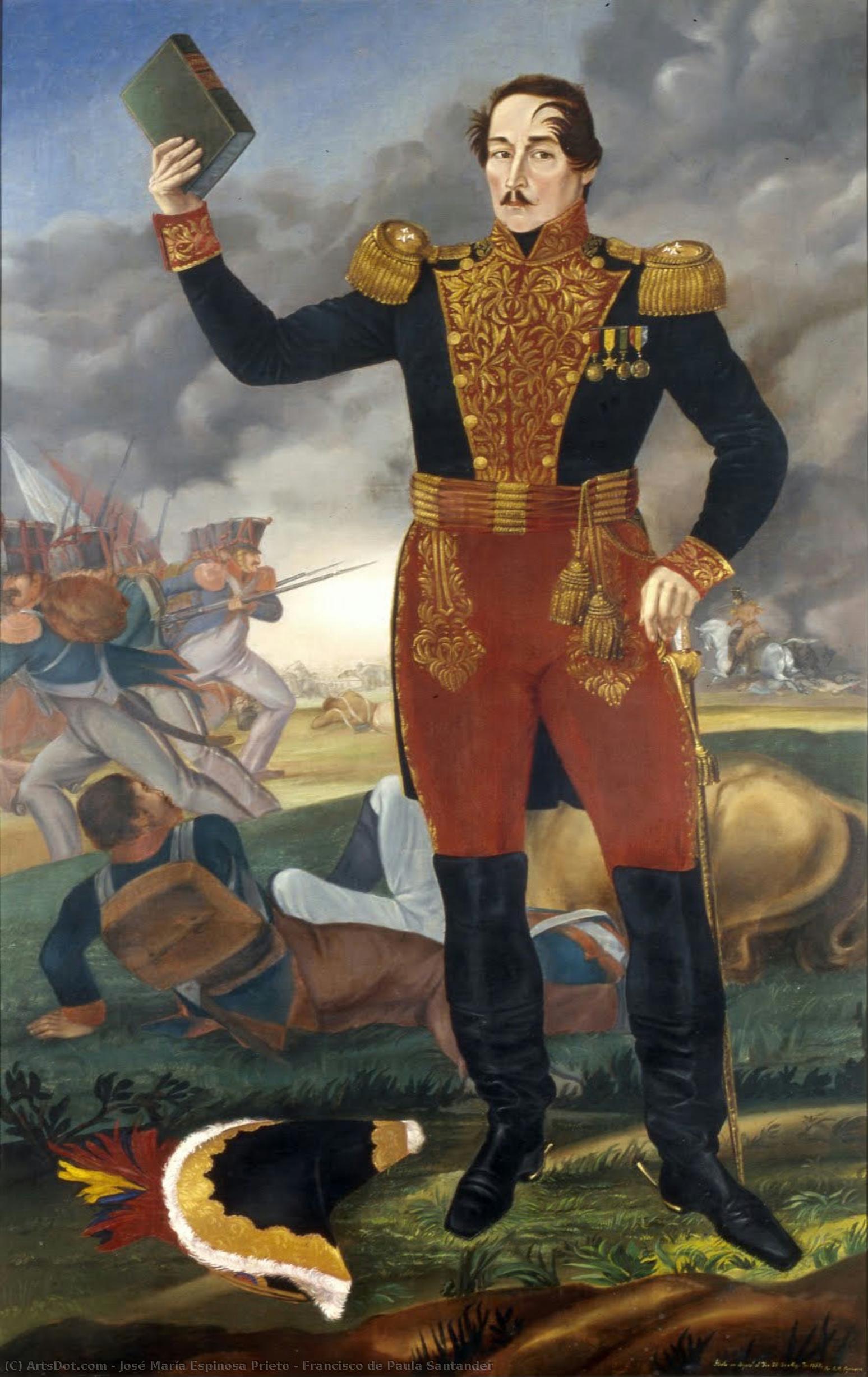
 Предпросмотр
 Поделиться
 Поделиться
 Детали произведения

 Скачать
 Похожие работы
 Рентгенография
 Слайд-шоу
 Статистика
Francisco de Paula Santander
 228.0 x 145.0 cm
 Национальный музей Колумбии
 Читать далее
Масляная репродукция ручной работы
Картина маслом на холсте в выбранном вами размере и раме, написанная на заказ нашими художниками. ( Перейти к печати Перейти к цифровым изображениям)




































Выберите один из наших стандартных размеров, соответствующих оригинальным пропорциям произведения искусства.

Вы можете указать собственные размеры, чтобы картина идеально вписалась в выбранную раму или пространство. Если выбранный вами размер не соответствует пропорциям оригинала, мы либо обрежем полотно, либо расширим его за счет дополнительных элементов, написанных вручную. Цифровой макет будет отправлен вам на утверждение перед началом производства.
Обратите внимание, что предварительный просмотр на экране не отражает фактическую обрезку или расширение. Только макет точно покажет окончательную композицию.
Хотя доступны индивидуальные размеры, мы рекомендуем выбирать вариант из предопределенного списка, чтобы сохранить исходные пропорции.
После оформления заказа команда ArtsDot.com свяжется с клиентом по электронной почте для уточнения деталей и предоставит предварительный макет
Доставка по всему миру () за 3–4 недели вместо стандартных 5 недель. (11 Сентябрь). Без компромиссов в качестве.

Бесплатная экспресс-доставка по всему миру

Высококачественный льняной холст

Полное страхование доставки

Гарантия возмещения таможенных пошлин

Гарантия точного соответствия цветов

100-дневная политика возврата (только при обнаружении дефектов)

Гарантия возврата 100% средств

Предложение оптовых скидок
 Вариант со стеклом доступен только для размеров менее 110 см

Francisco de Paula Santander
Техника репродукции
Размер репродукции
-


Итоговая стоимость
$ 263
Похожие произведения









Биография художника
José María Espinosa Prieto: A Pioneer of Spanish Romantic Landscape Painting
José María Espinosa Prieto (1796 – 1883) stands as a pivotal figure in the landscape painting tradition of Spain during the Romantic era. Born into a noble family in León, Spain, Espinosa’s artistic journey began early, nurtured by familial encouragement and exposure to intellectual circles that championed the burgeoning movement for national identity. Unlike many artists of his time who focused on portraiture or mythological subjects, Espinosa dedicated himself primarily to capturing the grandeur and drama of the Spanish countryside—a conscious decision reflecting the Romantic preoccupation with emotion, imagination, and the sublime beauty of nature.- Early Influences: Espinosa’s formative years coincided with a period of intense artistic ferment in Europe, particularly influenced by Eugène Delacroix and Friedrich Wilhelm Theodor Lessing. These masters championed expressive brushwork and dramatic compositions—principles that profoundly shaped Espinosa's stylistic approach.
- Formal Training & Artistic Development: He pursued formal training at the Escuela Superior de Bellas Artes de San Fernando in Madrid, where he honed his technical skills and absorbed the prevailing academic conventions. However, Espinosa swiftly rejected these rigid standards, prioritizing a looser, more spontaneous style that prioritized capturing fleeting moments of atmospheric grandeur.
Notable Works & Artistic Style
Espinosa’s oeuvre comprises approximately 150 paintings—primarily landscapes executed in oil on canvas—that showcase his remarkable ability to convey emotion and evoke the spirit of Spain's mountainous regions. His canvases are characterized by bold color palettes, dynamic brushstrokes, and a masterful use of chiaroscuro (light and shadow) techniques. He skillfully employed atmospheric perspective – blurring distant objects to create depth and illusion – effectively conveying the vastness and majesty of the Spanish landscape. Recurring motifs include dramatic sunsets, turbulent rivers, and expansive vistas populated with shepherds and livestock—subjects that resonated deeply with Romantic sensibilities.- “León Ortiz” (1850): This monumental painting exemplifies Espinosa’s signature style. Depicting a horseman in regal attire against the backdrop of León’s rugged terrain, “León Ortiz” is celebrated for its luminous color harmonies and expressive brushwork. It embodies the Romantic ideal of portraying idealized beauty—a testament to Espinosa's artistic vision.
- “Action on the Plains of Santa Lucía” (1862): Another significant work showcases Espinosa’s ability to depict turbulent action within a landscape setting. The painting captures a spirited equestrian scene amidst rolling hills, demonstrating Espinosa’s command of compositional dynamism and tonal gradation.
Historical Significance & Legacy
Espinosa Prieto's contribution to Spanish Romantic art extends beyond mere stylistic innovation; he championed the depiction of Spain’s natural heritage as a symbol of national identity. His paintings served as inspiration for subsequent generations of artists and solidified Espinosa’s place among the foremost landscape painters of his era. Furthermore, his work aligns with broader trends in European Romanticism—a movement that sought to elevate emotion and imagination above reason and formalism—establishing Espinosa Prieto as an enduring emblem of artistic idealism and Spanish cultural heritage.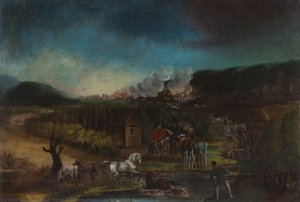
josé maría espinosa prieto
1796 - 1883
Основные сведения
- Artistic Movement Or Style: Romanticism
- Artists Who Influenced This Artist:
- Gustave Courbet
- Jean-François Millet
- Date Of Death: 1883
- Full Name: José María Espinosa Prieto
- Nationality: Spanish
- Notable Artworks:
- León Ortiz
- Action on the Plains of Santa Lucía