

 Поделиться
 Поделиться
 Детали произведения

 Скачать
 Похожие работы
 Слайд-шоу
 Статистика
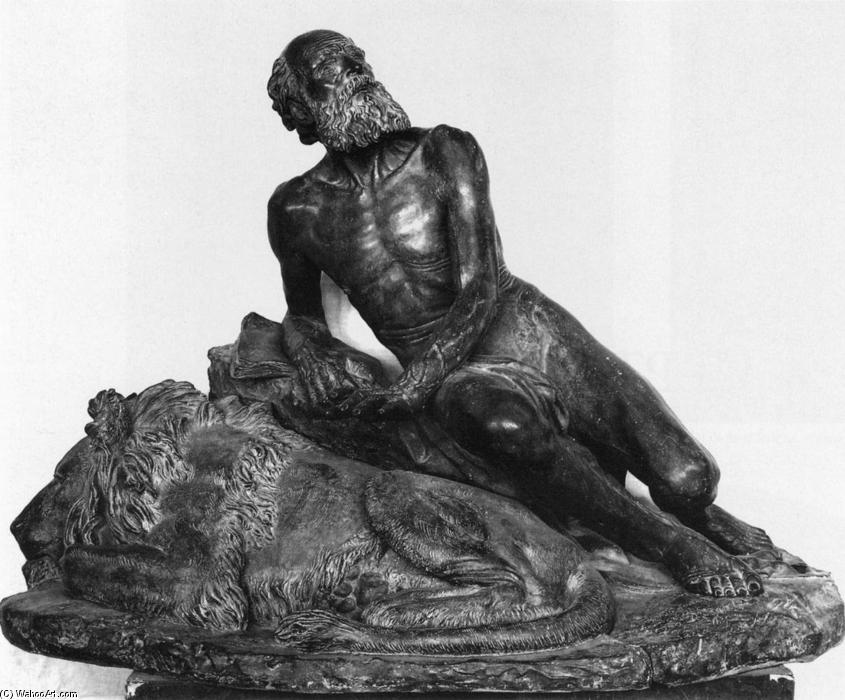
The Penitent Saint Jerome
 Bronze
- Sculpture
- Spanish Baroque
 1844
1844 106.0 x 150.0 cm
 Музей Прадо
 Читать далее
Приобретите цифровое изображение высокого разрешения в улучшенном качестве, которое значительно превосходит онлайн-превью.
Каждый файл тщательно подготавливается нашими специалистами с использованием передовых инструментов и экспертной ручной ретуши. Мы гарантируем исключительную четкость, точную цветопередачу и детальную проработку каждого изображения.
Финальный файл доставляется по электронной почте в течение 72 часов и оптимизирован для немедленного использования в профессиональной среде, при верстке и печати. Это тот же уровень качества, которому доверяют ведущие дизайнерские студии, издательства и галереи.
Цифровое изображение
Скачайте файл высокого разрешения для личного использования, печати и творческих проектов. ( Перейти к печати Купить картину ручной работы)
Включено в каждый заказ цифровых изображений
Гарантия экспертной цифровой доставки
Выбирая ArtsDot.com, вы получаете не просто изображение — вы приобретаете профессионально обработанное цифровое произведение искусства, созданное с безупречной точностью и под защитой гарантии качества. Вот всё, что автоматически входит в ваш заказ:

Мгновенная доставка по e-mail
Ваш цифровой файл в высоком разрешении будет отправлен вам по электронной почте в течение 72 часов после оформления заказа — и сразу станет доступен для использования.

Цифровой файл с ИИ-улучшением
Ваше произведение искусства проходит профессиональную оптимизацию с использованием передовых инструментов ИИ и ручной обработки, что гарантирует максимальную детализацию, четкость и точность цветопередачи.

Бессрочная бесплатная повторная доставка
Случайно удалили или потеряли файл? Не беспокойтесь — мы отправим его вам повторно в любое время и совершенно бесплатно.

Без импортных пошлин — навсегда
Наслаждайтесь вашим произведением искусства мгновенно без таможенных пошлин, сборов или затрат на доставку — цифровые загрузки всегда не облагаются налогом.

Гарантия точности цветопередачи
Мы гарантируем, что ваше цифровое изображение максимально точно передает оригинальные цвета благодаря использованию профессиональных инструментов и систем управления цветом.

Гарантия удовлетворенности 100 дней
Если вы не будете удовлетворены своим цифровым изображением, мы внесем правки или вернем 100% стоимости в течение 100 дней — без лишних вопросов.

100% Гарантия возврата средств
Не удовлетворены покупкой? Получите полный возврат средств в течение 100 дней после получения цифрового файла — без лишних вопросов.

Скидки на оптовые заказы
Купите 3 изображения, сэкономьте 10% — Купите 5, сэкономьте 15% — Купите 10+, сэкономьте 20%. Отличное решение для творческих проектов, галерей и агентств.
A Soul in Bronze: José Piquer y Duart's "The Penitent Saint Jerome"
Within the hallowed halls of museums and private collections alike, bronze sculptures possess a unique power—a tangible connection to history, artistry, and profound human emotion. José Piquer y Duart’s “The Penitent Saint Jerome,” sculpted in 1844, exemplifies this captivating quality. This striking work, currently residing within the Museo Nacional del Prado's esteemed collection, isn't merely a depiction of a biblical figure; it is an exploration of faith, repentance, and the enduring strength of the human spirit rendered with remarkable skill and sensitivity.
The Figure and His Story
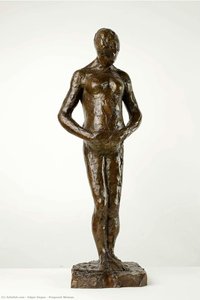
Saint Jerome, a pivotal figure in Christian history as a translator of the Bible and Doctor of the Church, embodies intellectual rigor and spiritual devotion. Piquer’s sculpture portrays him not in scholarly pursuit but in a moment of profound introspection—a penitent posture reflecting his commitment to self-reflection and atonement. The saint is depicted kneeling on one knee, his head bowed in what appears to be fervent prayer or deep contemplation. He wears only a loincloth, a deliberate choice that underscores humility and detachment from worldly possessions, aligning with the ascetic ideals of monastic life. In his right hand, he clutches a stone, poised to strike his breast—a symbolic act of self-flagellation representing repentance for past failings. This gesture is not one of violence but rather a deeply personal expression of sorrow and dedication to spiritual purification.
Romanticism in Bronze: Style and Technique
Piquer’s “The Penitent Saint Jerome” firmly resides within the Romantic artistic movement, a period characterized by emotional intensity, individualism, and a fascination with dramatic narratives. Unlike the Neoclassical emphasis on idealized forms and rational order, Romanticism embraced subjectivity and expressive power. Piquer masterfully translates these ideals into bronze. The sculpture’s surface is textured, bearing the marks of the casting process that contribute to its aged appearance and palpable sense of history. The artist's attention to detail—the rendering of Jerome’s weathered face, the musculature of his body, and the fur texture of the accompanying lion—demonstrates a remarkable technical proficiency. The bronze itself seems to breathe with life, capturing not just the saint’s physical form but also the weight of his spiritual burden.
Symbolism and Narrative
The presence of the lion is integral to understanding the sculpture's symbolism. In Christian iconography, lions often represent courage, strength, and divine protection—qualities associated with Saint Jerome himself. The lion’s posture – lying down beside Jerome in a gesture of quiet companionship – suggests not just loyalty but also a spiritual bond between man and beast, reflecting the saint’s dominion over his earthly desires through faith. The background is deliberately plain, drawing all attention to the figure and amplifying the emotional impact of his solitary contemplation. The entire composition tells a story—a narrative of repentance, devotion, and the enduring power of faith in the face of adversity.
An Enduring Legacy
José Piquer y Duart’s “The Penitent Saint Jerome” is more than just a beautiful sculpture; it's a powerful testament to the human capacity for introspection and spiritual growth. It stands as a significant work within Spanish Baroque art, demonstrating Piquer’s mastery of technique and his ability to convey profound emotion through bronze. Whether viewed in a museum setting or gracing a private home, this sculpture continues to resonate with audiences, inviting contemplation on themes of faith, humility, and the enduring search for meaning.
Похожие произведения


Биография художника
A Legacy Carved in Bronze and Spirit
Born into a lineage of artistic excellence in Valencia, Spain, José Piquer y Duart (1806–1871) was destined to become a master of form and emotion. As the son of José Piquer, the esteemed director of the Real Academia de Bellas and San Carlos, the young sculptor was immersed from birth in the rich traditions of Valencian Baroque art. This early exposure provided him with more than just technical training; it instilled a profound reverence for the sculptural prowess that had defined his family's legacy. His formative years were characterized by an unwavering dedication to mastering the intricate techniques of his era, blending the classical rigor of his heritage with an emerging sense of individual expression.
The trajectory of Piquer’s life was significantly altered by his extensive travels, which transformed him from a regional talent into a cosmopolitan artist. Beginning in 1836, his journeys took him across the Atlantic to Mexico and the United States, eventually leading him to the cultural heart of Europe: Paris. It was within the vibrant atmosphere of the French capital that Piquer encountered the burgeoning currents of Romanticism. Immersed in an era defined by the expressive dynamism of Eugène Delacroix and the emotional depth found in the compositions of Frédéric Chopin, his work began to absorb a new, soulful intensity. This period of wandering allowed him to bridge the gap between the structured traditions of the Spanish Baroque and the emotive, subjective power of the Romantic movement.
Mastery of Form and Devotion
Upon returning to Madrid in 1841, Piquer ascended to a position of significant academic influence, serving as the Director of Sculpture at the Academia de San Fernando. This role allowed him to shape the next generation of Spanish sculptors while simultaneously securing his own place within the highest echelons of the art world. His reputation was further solidified through prestigious royal commissions, most notably from Isabella II, Queen of Spain, whose patronage reflected his status as a premier artist of the Spanish court.
Piquer’s sculptural output is perhaps best exemplified by his ability to breathe life into cold materials, creating works that resonate with spiritual and historical weight. His masterpiece, The Penitent Saint Jerome (1844), currently held in the prestigious Museo Nacional del Prado, serves as a profound testament to his skill. In this bronze work, Piquer moves beyond mere anatomical accuracy to explore the depths of human repentance. The sculpture captures the saint in a moment of intense introspection, kneeling with a stone poised against his breast—a symbolic gesture of self-flagellation and spiritual purification. Through a masterful command of texture and the dramatic interplay of light and shadow, reminiscent of chiaroscuro, Piquer renders the weight of faith and the vulnerability of the human spirit.
Beyond his religious subjects, Piquer’s commitment to commemorating history is evident in his monumental undertakings, such as the tomb of General Francisco Espoz Mina in the Pamplona Cathedral. Whether working on grand public monuments or intimate, detailed smaller pieces, his artistry remained consistent in its pursuit of excellence. His legacy remains a vital chapter in 19th-century Spanish art, representing a unique intersection where the disciplined techniques of the Baroque met the passionate, searching heart of Romanticism.
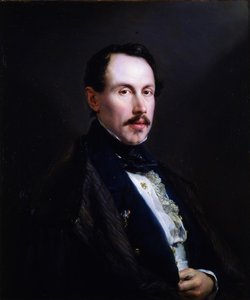
josé piquer y duart
1806 - 1871 , Spain
Основные сведения
- Artistic Movement Or Style: Spanish Baroque Painting
- Artists Who Influenced This Artist:
- José Benedito Vives
- Juan de Valdés Leal
- Francisco de Zurbarán
- Date Of Birth: 1806 Valencia Spain
- Date Of Death: 1871 Madrid Spain
- Full Name: José Piquer y Duart
- Nationality: Spanish
- Notable Artworks: ['The Penitent Saint Jerome']
- Place Of Birth: Valencia Spain