

 Предпросмотр
 Поделиться
 Поделиться
 Детали произведения

 Скачать
 Похожие работы
 Рентгенография
 Слайд-шоу
 Статистика
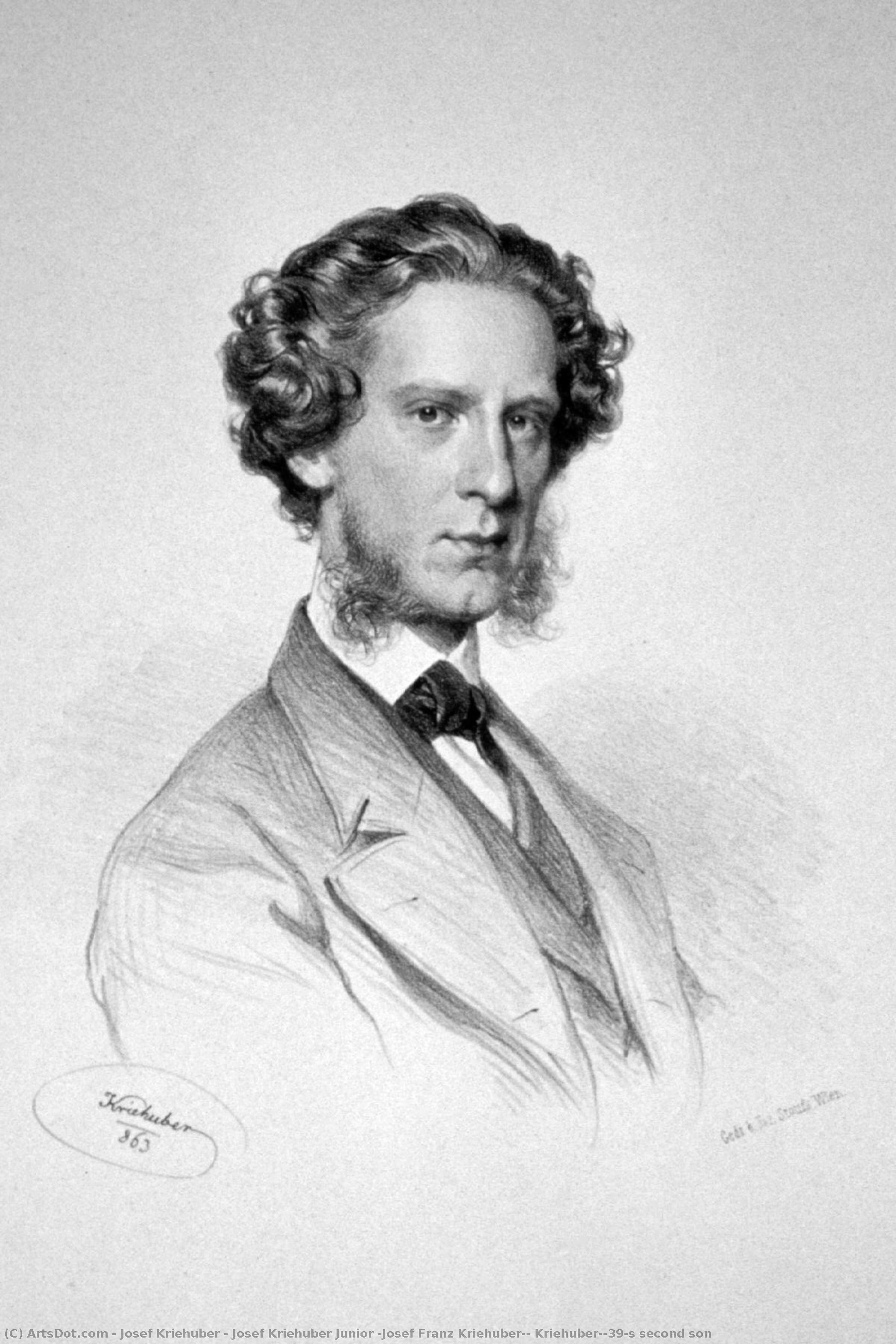
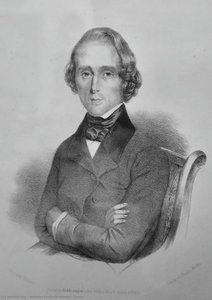
Josef Kriehuber Junior (Josef Franz Kriehuber), Kriehuber's second son


 Читать далее
Масляная репродукция ручной работы
Картина маслом на холсте в выбранном вами размере и раме, написанная на заказ нашими художниками. ( Перейти к печати Перейти к цифровым изображениям)




P118B $10

P118H $10

P118W $10

P438Z $10

P508JH $12

P508YH $12

P805H $10

P805Z $10

P919BZ $10

P919G $10

P919XJ $10

P959ZH $10

P968JZ $12

W106C $8

W218G $10

W218JH $8

W218Y $10

W307PJ $10

W316G $10

W316PJ $8

W316Y $10

W398PJ $8

W4111J $10

W500HY $15

W500JH $15

W692G $12

W849H $8

W940BG $15

W953PJ $8




Выберите один из наших стандартных размеров, соответствующих оригинальным пропорциям произведения искусства.

Вы можете указать собственные размеры, чтобы картина идеально вписалась в выбранную раму или пространство. Если выбранный вами размер не соответствует пропорциям оригинала, мы либо обрежем полотно, либо расширим его за счет дополнительных элементов, написанных вручную. Цифровой макет будет отправлен вам на утверждение перед началом производства.
Обратите внимание, что предварительный просмотр на экране не отражает фактическую обрезку или расширение. Только макет точно покажет окончательную композицию.
Хотя доступны индивидуальные размеры, мы рекомендуем выбирать вариант из предопределенного списка, чтобы сохранить исходные пропорции.
После оформления заказа команда ArtsDot.com свяжется с клиентом по электронной почте для уточнения деталей и предоставит предварительный макет
Доставка по всему миру () за 3–4 недели вместо стандартных 5 недель. (13 Сентябрь). Без компромиссов в качестве.

Бесплатная экспресс-доставка по всему миру

Высококачественный льняной холст

Полное страхование доставки

Гарантия возмещения таможенных пошлин

Гарантия точного соответствия цветов

100-дневная политика возврата (только при обнаружении дефектов)

Гарантия возврата 100% средств

Предложение оптовых скидок
 Вариант со стеклом доступен только для размеров менее 110 см

Josef Kriehuber Junior (Josef Franz Kriehuber), Kriehuber's second son
Техника репродукции
Размер репродукции
-


Итоговая стоимость
$ 263
A Glimpse into the Biedermeier Soul
In the quiet, meticulous lines of this 1863 portrait, we encounter more than just a likeness; we step into the intimate heart of nineteenth-century Viennese elegance. This striking work, depicting Josef Kriehuber Junior, serves as a profound window into an era defined by its reverence for character and social grace. As the son of the legendary Austrian lithographer Josef Kriehuber, the subject is captured not merely as an individual, but as a continuation of a prestigious artistic lineage. The portrait radiates a dignified stillness, inviting the viewer to contemplate the poised composure of a gentleman from a bygone age, where every fold of fabric and curl of hair whispered stories of status and refinement.
The artistry behind this piece is a masterclass in the lithographic tradition that Kriehubeer helped pioneer. Through the sophisticated use of engraving techniques, the artist employs a delicate dance of cross-hatching and stippling to breathe life into the monochrome medium. There is a tactile richness to the work; one can almost feel the weight of the dark suit and the crispness of the starched collar. The light, descending softly from above, sculpts the subject’s features with a gentle hand, creating subtle shadows that lend a remarkable three-dimensionality to the face. This technical precision transforms a two-dimensional print into a soulful encounter, where the interplay of light and shadow creates a sense of depth that draws the eye deep into the subject's gaze.
For the discerning collector or interior designer, this portrait offers an unparalleled opportunity to introduce a sense of historical gravity and timeless sophistication to a space. The monochromatic palette provides a versatile anchor for any curated room, working harmoniously with both classical and contemporary aesthetics. Whether placed in a sunlit study or a moody, formal gallery, the piece acts as a conversation starter—a fragment of history that brings the intellectual and cultural weight of mid-19th century Austria into the modern home. It is not merely a decoration, but an evocative presence that commands respect and inspires a sense of nostalgic wonder.
Beyond its technical brilliance, the emotional resonance of this portrait lies in its quiet intimacy. There is no grand theatricality here, only the honest, detailed representation of a human life. In an age of fleeting digital images, the permanence and meticulous detail of this lithograph offer a grounding connection to the past. To possess a reproduction of such a work is to hold a piece of the Viennese spirit—a celebration of the beauty found in precision, the elegance found in simplicity, and the enduring power of the human portrait.
Похожие произведения
Биография художника
A Chronicler of Viennese Society: The Life and Art of Josef Kriehuber
Josef Kriehuber, born in Vienna on December 14th, 1800, wasn’t a revolutionary artist seeking to shatter conventions. Instead, he quietly became one of the most prolific and insightful chroniclers of 19th-century Viennese society through his extraordinary mastery of lithography. His life was deeply intertwined with the burgeoning urban landscape of Vienna, and his art served as a remarkably detailed visual record of its people, customs, and cultural shifts during the Biedermeier period – an era defined by a yearning for domesticity, simplicity, and a celebration of everyday life. Kriehuber’s legacy isn't one of grand pronouncements but rather a quiet accumulation of thousands of portraits, landscapes, and scenes that collectively offer an unparalleled glimpse into the heart of Vienna during its most vibrant years.The Foundations: Training and Early Career
Kriehuber’s artistic journey began with formal training at the prestigious Vienna Academy under Hubert Maurer, a respected figure in Austrian art circles. However, it was his embrace of lithography – a relatively new and rapidly developing technique – that truly shaped his career trajectory. Lithography offered an unprecedented opportunity for mass reproduction of images, democratizing portraiture and making it accessible to a wider audience than ever before. This innovation allowed Kriehuber to produce works in large quantities, fueling his remarkable output of over 3000 lithographs throughout his lifetime. Initially exploring landscape lithography, he quickly recognized the immense potential for capturing human subjects – particularly within the context of the Biedermeier aesthetic. His early portraits were characterized by a meticulous attention to detail and a growing understanding of how to convey personality through subtle gestures and expressions.The Biedermeier Portraitist: Capturing the Essence of Viennese Life
Kriehuber’s artistic development flourished squarely within the framework of the Biedermeier period (roughly 1815-1848). This era, born from the aftermath of Napoleon's conquests, fostered a deep appreciation for the familiar, the comfortable, and the intimately personal. The Biedermeier style rejected grand historical narratives and idealized representations in favor of a focus on domesticity, simplicity, and the everyday experiences of ordinary people. Kriehuber’s art perfectly embodied these values. He wasn't interested in creating heroic figures or dramatic scenes; instead, he sought to capture the quiet dignity and understated charm of his subjects – from nobility and government officials to merchants and artisans. His portraits weren’t intended as glamorous displays of wealth or power but rather as honest representations of character and social standing. He possessed an uncanny ability to discern the essence of a person through careful observation, translating that understanding into meticulously rendered lithographs.A Diverse Portfolio: Portraits, Landscapes, and Urban Scenes
While portraiture constituted the core of Kriehuber’s oeuvre, his artistic interests extended beyond individual likenesses. He also produced a significant body of landscape lithographs, often depicting scenes from the outskirts of Vienna and the surrounding countryside. These landscapes weren't merely scenic vistas; they were infused with a sense of quiet contemplation and a deep appreciation for the beauty of nature. Furthermore, Kriehuber documented the vibrant atmosphere of Vienna’s Prater park – a popular recreational area that served as a microcosm of Viennese society. His lithographs of the Prater offer invaluable insights into the fashion, social interactions, and leisure activities of the time, providing a rich tapestry of visual information about 19th-century urban life. He captured not just the physical appearance of the park but also its spirit – a place of laughter, excitement, and communal gathering.Technique and Influence: Mastering Lithography
Kriehuber’s artistic success was inextricably linked to his mastery of lithography. He wasn't simply a competent reproducer of images; he was a skilled craftsman who understood the nuances of the medium and exploited its potential to create works of remarkable detail, tonal range, and expressive power. His technique involved careful stone preparation, precise etching, and meticulous printing – all executed with unwavering precision. While it’s difficult to pinpoint specific artistic influences on Kriehuber, his work reflects a broader trend towards realism in 19th-century art, as well as the influence of contemporary portrait artists who were exploring new ways to capture human character. His dedication to accuracy and psychological insight set him apart, establishing him as a uniquely perceptive observer of Viennese society.Legacy and Recognition: A Lasting Impression
Josef Kriehuber’s impact extended beyond his prolific output. He served as a teacher at the Theresianum Academy in Vienna, imparting his technical expertise and artistic sensibilities to generations of aspiring artists. In 1860, he received the prestigious Franz Joseph Order – a recognition of his contributions to Austrian art and culture. However, the rise of photography towards the end of his life presented a significant challenge to his profession. As photographic portraiture became increasingly accessible and affordable, demand for lithographic portraits declined, leading to financial hardship in his later years. Despite these difficulties, Kriehuber continued to work diligently until his death on May 30th, 1876, leaving behind an extraordinary legacy of over 3000 images that continue to captivate and inform us today. His works are housed in the Albertina Museum and the Austrian National Library, ensuring that his remarkable chronicle of Viennese society will be appreciated for generations to come. His art stands as a testament to the power of observation, the enduring appeal of capturing the human spirit, and the quiet brilliance of an artist who dedicated his life to documenting the everyday realities of 19th-century Vienna.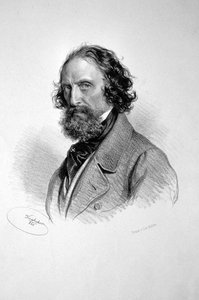
Йозеф Криехубер
1800 - 1876 , Австрия
Основные сведения
- Artistic Movement Or Style: Реализм, Бидермайер
- Artists Or Movements Influenced By This Artist: ['Фридрих Крёйхубер']
- Date Of Birth: 1800-12-14
- Date Of Death: 1876-05-30
- Full Name: Josef Kriehuber
- Nationality: Австриец
- Notable Artworks:
- Портреты
- Партер
- Place Of Birth: Вена, Австрия
Похожие статьи
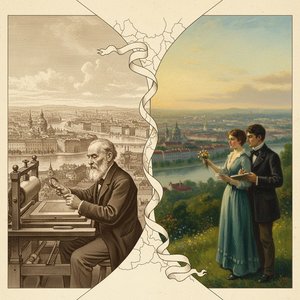
Josef Kriehuber: A Life Immersed in Viennese Topography – From Lithographic Precision to Romantic Observation
Explore the life and work of Josef Kriehuber, a master lithographer who captured 19th-century Vienna. Discover his portraits of nobility, landscapes, & artistic techniques. A guide for collectors & art enthusiasts.
Lithography: A Historical Survey of Technique, Artistic Expression & Enduring Legacy
Explore the rich history of lithography – from Senefelder’s invention to its impact on fine art & commercial printing. Discover key artists, techniques, and collecting insights at ArtsDot.
Топ-10 шедевров XIX века: искусство, история и декор от ArtsDot.com
Погрузитесь в мир искусства XIX века! От реализма до импрессионизма – 10 величайших картин, истории художников и вдохновение для вашего интерьера. Репродукции высокого качества на ArtsDot.com. Откройте всю коллекцию онлайн!

Топ-10 знаменитых картин в черных тонах: шедевры искусства для вашего интерьера
Погрузитесь в мир темных шедевров! Топ-10 знаменитых картин в черных тонах от Гойи, Рембрандта и Мунка. История искусства, техники живописи и вдохновение для вашего интерьера. Купите репродукции высокого качества на ArtsDot.com
Топ-10 шедевров в оттенках черного: искусство, история и декор с ArtsDot
Погрузитесь в мир великих шедевров, где черный цвет – символ страсти и драмы. От Караваджо до Мунка, откройте историю искусства с ArtsDot. Купите репродукции картин онлайн и преобразите свой интерьер! Explore the full collection on ArtsDot.com