

 Поделиться
 Поделиться
 Детали произведения

 Скачать
 Похожие работы
 Слайд-шоу
 Статистика
Women’s Dress for a Masked Ball


 Читать далее
Масляная репродукция ручной работы
Картина маслом на холсте в выбранном вами размере и раме, написанная на заказ нашими художниками. ( Перейти к печати Перейти к цифровым изображениям)




































Выберите один из наших стандартных размеров, соответствующих оригинальным пропорциям произведения искусства.

Вы можете указать собственные размеры, чтобы картина идеально вписалась в выбранную раму или пространство. Если выбранный вами размер не соответствует пропорциям оригинала, мы либо обрежем полотно, либо расширим его за счет дополнительных элементов, написанных вручную. Цифровой макет будет отправлен вам на утверждение перед началом производства.
Обратите внимание, что предварительный просмотр на экране не отражает фактическую обрезку или расширение. Только макет точно покажет окончательную композицию.
Хотя доступны индивидуальные размеры, мы рекомендуем выбирать вариант из предопределенного списка, чтобы сохранить исходные пропорции.
После оформления заказа команда ArtsDot.com свяжется с клиентом по электронной почте для уточнения деталей и предоставит предварительный макет
Доставка по всему миру () за 3–4 недели вместо стандартных 5 недель. (12 Сентябрь). Без компромиссов в качестве.

Бесплатная экспресс-доставка по всему миру

Высококачественный льняной холст

Полное страхование доставки

Гарантия возмещения таможенных пошлин

Гарантия точного соответствия цветов

100-дневная политика возврата (только при обнаружении дефектов)

Гарантия возврата 100% средств

Предложение оптовых скидок
 Вариант со стеклом доступен только для размеров менее 110 см

Women’s Dress for a Masked Ball
Техника репродукции
Размер репродукции
-


Итоговая стоимость
$ 263
An Intersection of Elegance and Innovation
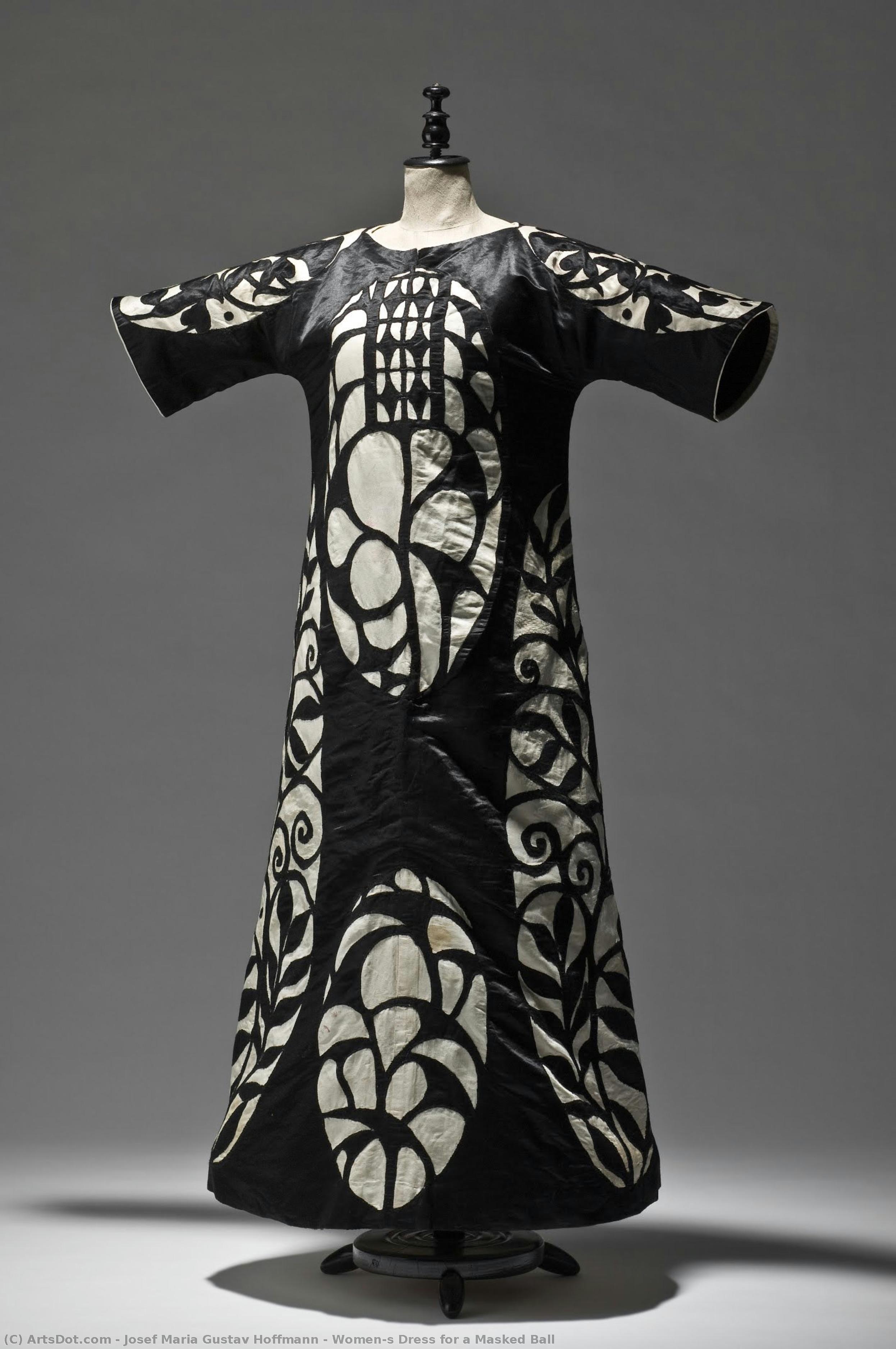
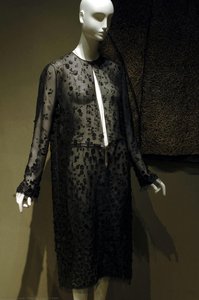
In the shimmering twilight of Vienna’s gilded age, few objects capture the ephemeral magic of a bygone era as poignantly as Josef Hoffmann’s Women’s Dress for a Masked Ball. Created around 1910, this garment is far more than a mere piece of attire; it is a wearable manifesto of the Viennese Secession movement. Designed for Johanna Wittgenstein, a woman at the very heart of Vienna's cultural aristocracy, the dress serves as a breathtaking bridge between the organic, flowing whimsy of Art Nouveau and the structured, geometric discipline that would soon define Art Deco. To behold this piece is to step into a world of sophisticated mystery, where fashion was used as a medium to challenge academic traditions and embrace a new, modern aesthetic.
The visual impact of the gown lies in its masterful use of contrast and texture. Set against a deep, dark background that evokes the nocturnal allure of a masked ball, the dress is adorned with intricate, stylized floral motifs in shades of creamy white and pale yellow. These patterns do not merely sit upon the fabric; they seem to dance across it, creating a sense of rhythmic movement and vitality. The interplay between the organic curves of the blossoms and the precise, swirling lines suggests a controlled dynamism—a hallmark of Hoffmann’s visionary approach. For the discerning collector or interior designer, this piece offers a profound study in how pattern and negative space can create a sense of depth and luxury even within a two-dimensional presentation.
The Mastery of the Wiener Werkstätte
The technical execution of this masterpiece reflects the unparalleled skill of the Wiener Werkstätte dressmakers. Every inch of the silk and cotton fabric was treated as a canvas for artistic expression, utilizing painstaking embroidery to achieve a tactile, three-dimensional effect. The raised patterns suggest a heavy, opulent material—perhaps a velvet or brocade—that invites the viewer to imagine the weight and luster of the gown under the soft glow of ballroom chandeliers. This dedication to craftsmanship elevates the textile from a functional object to a work of fine art, mirroring Hoffmann’s architectural philosophy where every detail, from the grandest facade to the smallest ornament, must contribute to a unified aesthetic whole.
Beyond its physical beauty, the dress carries a heavy emotional resonance. It symbolizes a moment of peak refinement and the fleeting nature of splendor. The very fragility of the original garment—a result of its delicate materials and intended use for singular, spectacular events—adds a layer of poignant nostalgia to its legacy. For those seeking to bring a sense of historical grandeur and sophisticated grace into a contemporary space, a high-quality reproduction of this work offers an unparalleled opportunity. It provides not just a decorative element, but a conversation piece that embodies the spirit of innovation, the elegance of the Secessionist movement, and the timeless allure of sartorial excellence.
Похожие произведения
Биография художника
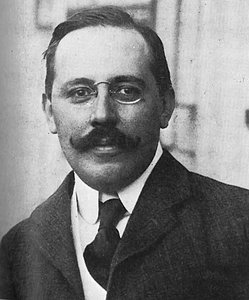
josef maria gustav hoffmann
1870 - 1956 , Croatia
Основные сведения
- Artistic Movement Or Style: Vienna Secession, Art Deco, Modernism
- Artists Or Movements Influenced By This Artist: ['Wiener Werkstätte']
- Date Of Birth: 1870
- Date Of Death: 1956
- Full Name: Josef Maria Gustav Hoffmann
- Nationality: Austrian-Moravian
- Notable Artworks: ['Stoclet Palace']
- Place Of Birth: Příbor, Croatia
Похожие статьи
Koloman Moser: A Synthesis of Art Nouveau, Secessionism & the Gesamtkunstwerk Ideal
Explore the life & work of Koloman Moser, a pivotal figure in the Vienna Secession & Wiener Werkstätte. Discover his stunning graphic design, architecture, and applied arts – a true pioneer of Viennese Art Nouveau. Learn more at ArtsDot.
The Gleaming Geometry of Desire: Exploring Art Deco's Enduring Influence on Visual Culture
Explore the captivating world of Art Deco! Discover its history, key characteristics, enduring influence on design & collecting with expert insights from ArtsDot.com.
The Gilded Age Reimagined: Exploring the Aesthetic Principles & Enduring Legacy of Art Deco
Explore the captivating world of Art Deco! Discover its origins, defining features, cultural impact & enduring legacy. Expert insights for collectors and design enthusiasts. Shop handmade reproductions at ArtsDot.
The Gilded Age Revisited: Art Deco's Modernity & Luxury
Explore the captivating world of Art Deco paintings & the Gilded Age's enduring legacy. Discover iconic artists like Tamara de Lempicka & invest in museum-quality reproductions with ArtsDot.

Crimson Threads of Narrative: Exploring Symbolism & Representation in Artworks Featuring the Red Dress
Explore the rich symbolism of the red dress in art history! From ancient power displays to iconic portraits like Cézanne’s 'Madame Cezanne', discover the cultural and artistic significance behind this captivating color. Expert analysis & insights.