

 Предпросмотр
 Поделиться
 Поделиться
 Детали произведения

 Скачать
 Похожие работы
 Рентгенография
 Слайд-шоу
 Статистика
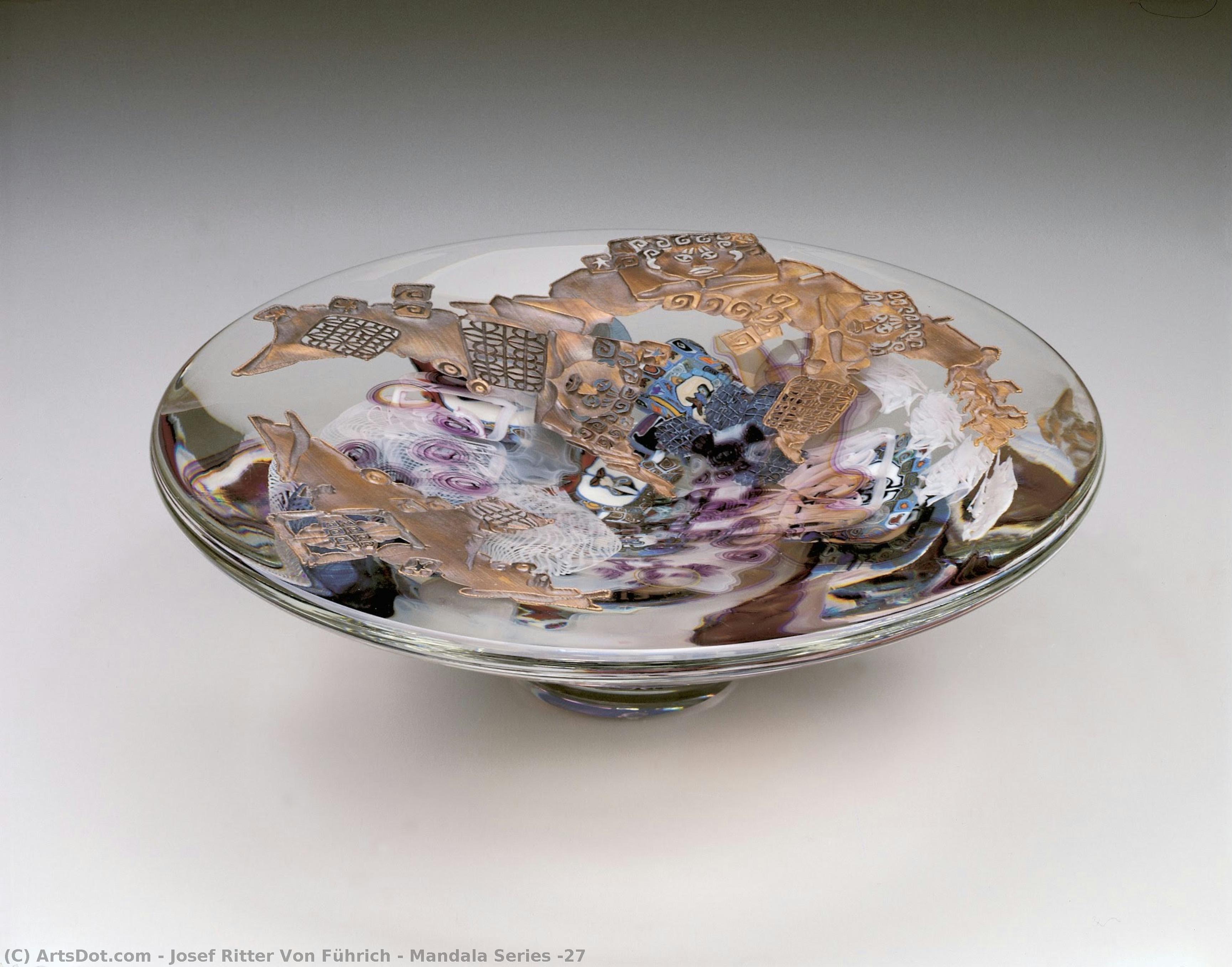
Mandala Series #27

 Читать далее
Масляная репродукция ручной работы
Картина маслом на холсте в выбранном вами размере и раме, написанная на заказ нашими художниками. ( Перейти к печати Перейти к цифровым изображениям)




































Выберите один из наших стандартных размеров, соответствующих оригинальным пропорциям произведения искусства.

Вы можете указать собственные размеры, чтобы картина идеально вписалась в выбранную раму или пространство. Если выбранный вами размер не соответствует пропорциям оригинала, мы либо обрежем полотно, либо расширим его за счет дополнительных элементов, написанных вручную. Цифровой макет будет отправлен вам на утверждение перед началом производства.
Обратите внимание, что предварительный просмотр на экране не отражает фактическую обрезку или расширение. Только макет точно покажет окончательную композицию.
Хотя доступны индивидуальные размеры, мы рекомендуем выбирать вариант из предопределенного списка, чтобы сохранить исходные пропорции.
После оформления заказа команда ArtsDot.com свяжется с клиентом по электронной почте для уточнения деталей и предоставит предварительный макет
Доставка по всему миру () за 3–4 недели вместо стандартных 5 недель. (12 Сентябрь). Без компромиссов в качестве.

Бесплатная экспресс-доставка по всему миру

Высококачественный льняной холст

Полное страхование доставки

Гарантия возмещения таможенных пошлин

Гарантия точного соответствия цветов

100-дневная политика возврата (только при обнаружении дефектов)

Гарантия возврата 100% средств

Предложение оптовых скидок
 Вариант со стеклом доступен только для размеров менее 110 см

Mandala Series #27
Техника репродукции
Размер репродукции
-


Итоговая стоимость
$ 263
Похожие произведения





Биография художника
The Soul of the Nazarene: The Life and Legacy of Josef Ritter von Führich
Born in the quiet landscape of Pless, Prussian Silesia, on February 9, 1800, Josef Ritter von Führich emerged as a profound voice within the nineteenth-century art world. His journey from his Polish origins to the heart of the Austrian Empire is a testament to a life dedicated to the pursuit of spiritual and technical excellence. As a prominent member of the Nazarene movement, Führich did not merely paint; he sought to revive the purity and religious fervor of early Renaissance masters, infusing his canvases with a sense of divine devotion that transcended the mere application of pigment.
Führich’s artistic evolution was deeply rooted in the rigorous academic traditions of his time. He sought refinement at the Academy of Fine Arts Vienna, where he studied under the esteemed Leopold Kupelwieser. This mentorship proved transformative, providing him with the technical foundation necessary to master both the delicate precision of draughtsmanship and the emotive power of religious oil painting. His talent was recognized early by the highest authorities; in 1845, he was awarded the prestigious grand prize and the imperial stipend, a distinction that signaled his ascent into the upper echelons of European art.
A Master of Line and Devotion
While many artists of his era sought to capture the fleeting light of the natural world, Führich turned his gaze inward toward the eternal. His oeuvre is characterized by an almost exclusive focus on religious themes, rendered with a clarity and grace that reflect the Nazarene ideal of spiritual sincerity. Though he achieved significant renown for his paintings, it was his mastery as a draughtsman that truly captured the imagination of his contemporaries. His ability to use line to convey profound emotion and sacred narrative allowed him to bridge the gap between the physical and the metaphysical.
The depth of his contribution to Austrian art is reflected in the various prestigious roles he held throughout his distinguished career:
- Director of the Prague Academy: Appointed in 1854, where he helped shape the next generation of artists.
- Professor at the Vienna Academy: Beginning in 1865, bringing his classical expertise to the forefront of academic instruction.
- Director of the Belvedere Gallery: Serving in this capacity in 1871, a role that placed him at the helm of one of Europe's most significant art collections.
- Rector of the Academy: Reaching the pinnacle of academic leadership in 1874.
Historical Significance and Enduring Presence
The historical significance of Josef Ritter von Führich lies not only in his individual creations but in his role as a custodian of artistic tradition. By serving as a director and professor, he ensured that the values of craftsmanship and spiritual depth remained central to the Viennese art scene. His work serves as a vital link to the Nazarene movement, preserving a period of history where art was viewed as a sacred vocation rather than a mere commodity.
Today, the legacy of Führich continues to resonate within the halls of the world's most esteemed institutions. His paintings and drawings can be found in the Belvedere Gallery and the Leopold Museum in Vienna, standing as enduring witnesses to his devotion. To study his work is to encounter a period of profound artistic introspection, where every stroke of the pen and every layer of oil was an act of reverence, ensuring that his name remains etched in the annals of Austrian art history.
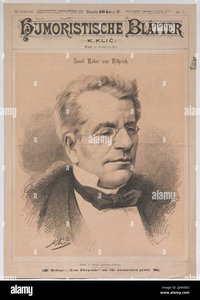
josef ritter von führich
1800 - 1876 , Poland
Основные сведения
- Artistic Movement Or Style: 19th Century
- Artists Or Movements Influenced By This Artist:
- Impressionism
- Hudson River School
- Artists Who Influenced This Artist:
- Caspar David Friedrich
- J.M.W. Turner
- John Constable
- Date Of Death: 1876
- Nationality: WahooArt
- Notable Artworks:
- Dover Plains, Dutchess County, New York
- Portrait of Madame Récamier
- Portrait of Lord Nelson