

 Предпросмотр
 Поделиться
 Поделиться
 Детали произведения

 Скачать
 Похожие работы
 Рентгенография
 Слайд-шоу
 Статистика
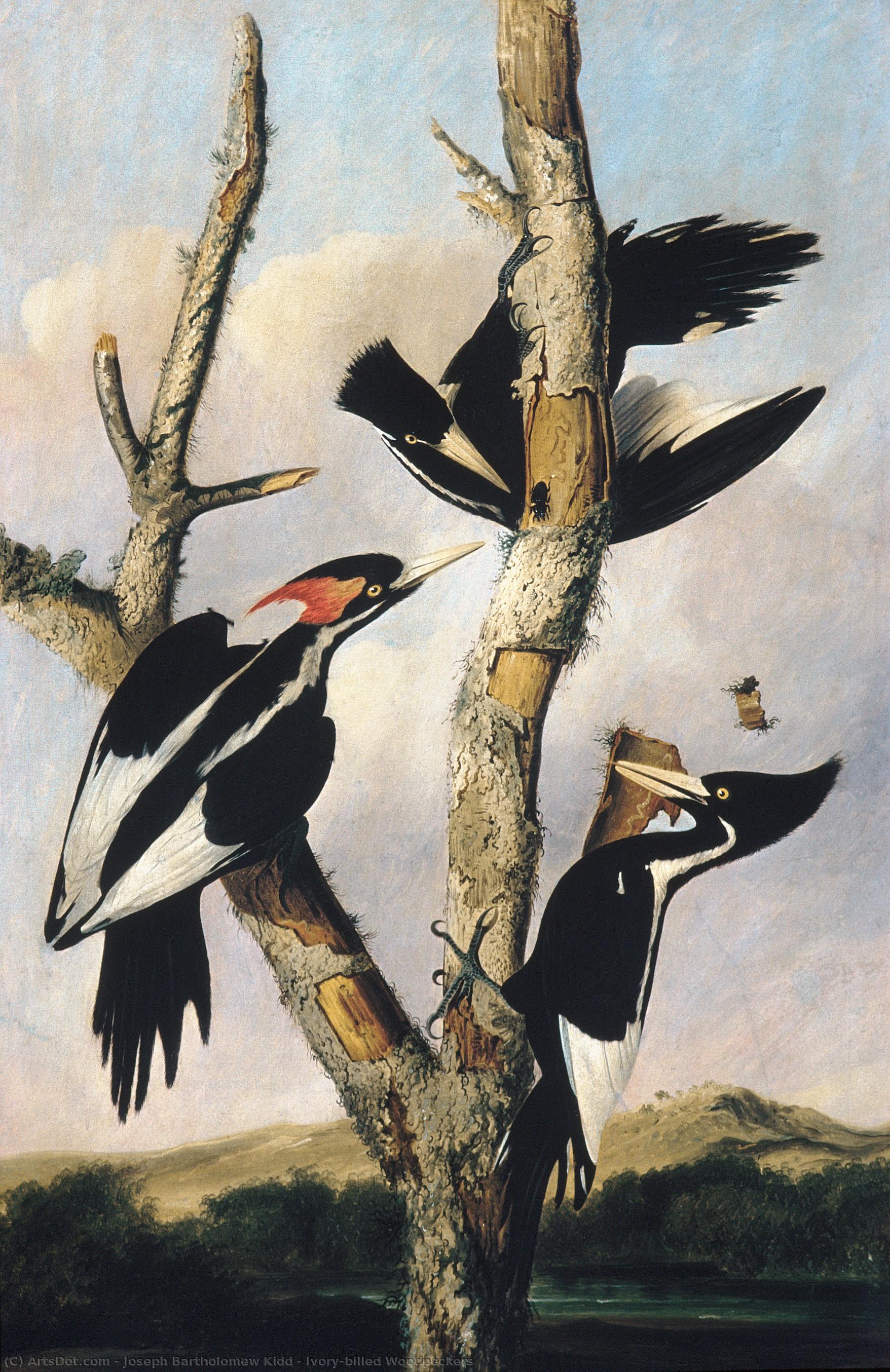
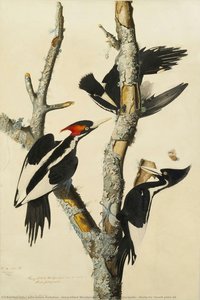
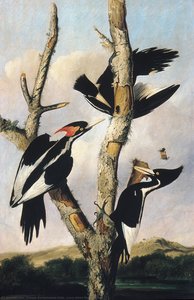
Ivory-billed Woodpeckers
 Acrylic On Canvas
- WallArt
- Victorian Landscape Painting
 1830
1830 100.0 x 67.0 cm
 Музей Метрополитен
 Читать далее
Жикле / Арт-принт
Печать (жикле) или холст музейного качества с быстрыми сроками изготовления и широким выбором вариантов отделки. ( Купить картину ручной работы Перейти к цифровым изображениям)




P118B $10

P118H $10

P118W $10

P438Z $10

P508JH $12

P508YH $12

P805H $10

P805Z $10

P919BZ $10

P919G $10

P919XJ $10

P959ZH $10

P968JZ $12

W106C $8

W218G $10

W218JH $8

W218Y $10

W307PJ $10

W316G $10

W316PJ $8

W316Y $10

W398PJ $8

W4111J $10

W500HY $15

W500JH $15

W692G $12

W849H $8

W940BG $15

W953PJ $8




Выберите один из наших стандартных размеров, соответствующих оригинальным пропорциям произведения искусства.

Вы можете указать свои собственные размеры, чтобы репродукция идеально подошла под конкретную раму или пространство. Если выбранный вами размер не будет соответствовать пропорциям оригинала, мы либо обрежем произведение, либо дополним изображение зеркальным отражением краев или однотонной заливкой. Перед началом производства вам будет отправлен цифровой макет для утверждения.
Пожалуйста, обратите внимание, что предварительный просмотр на экране не отображает фактическую обрезку или расширение изображения. Только макет точно покажет финальную композицию.
Несмотря на возможность заказа индивидуальных размеров, мы рекомендуем выбирать размер из предопределенного списка, чтобы сохранить оригинальные пропорции.
Доставка по всему миру () за 2 недели вместо стандартных 4/5 недель. (10 Сентябрь)

Бесплатная экспресс-доставка по всему миру

Высококачественный льняной холст

Полное страхование доставки

Гарантия возмещения таможенных пошлин

Гарантия точного соответствия цветов

100-дневная политика возврата (только при обнаружении дефектов)

Гарантия возврата 100% средств

Предложение оптовых скидок
 Вариант со стеклом доступен только для размеров менее 110 см

Ivory-billed Woodpeckers
Жикле / Арт-принт
Размер репродукции
-


Итоговая стоимость
$ 62
A Glimpse into a Lost Majesty: Joseph Bartholomew Kidd’s Ivory-billed Woodpeckers
The painting before us, “Ivory-billed Woodpeckers,” created circa 1830-31 by the Scottish artist Joseph Bartholomew Kidd, isn't merely a depiction of two birds; it’s a poignant echo of a vanished world. Kidd, a skilled follower of John James Audubon, meticulously recreated Audubon’s own watercolor, adding a rich landscape background that elevates the scene beyond simple observation and into the realm of evocative storytelling. This piece, now available as a stunning reproduction, offers a rare opportunity to connect with a creature once considered the “Lord God Bird,” a title bestowed upon it for the sheer awe it inspired in those fortunate enough to witness its grandeur.
Kidd’s technical mastery is immediately apparent. The brushstrokes are confident and deliberate, capturing not just the physical form of the ivory-billed woodpeckers but also their alertness, their poised readiness for action. Note the subtle variations in texture – the rough bark against which they perch, the delicate feathers catching the light, the suggestion of movement within their plumage. The composition is carefully balanced; the birds are positioned with a natural grace, drawing the eye across the canvas and inviting contemplation of their habitat. The muted palette—earthy browns, deep greens, and hints of ochre—creates an atmosphere of quiet dignity, reflecting the bird’s status as a symbol of wilderness.
The Audubon Legacy & A Shared Vision
Kidd's commission to copy Audubon’s watercolor is significant. Audubon was a revolutionary figure in ornithology, meticulously documenting North American birds with unprecedented detail and artistic flair. His work shifted the perception of birds from mere creatures to subjects worthy of profound respect and admiration. Kidd, deeply influenced by Audubon’s approach, embraced this spirit of scientific observation combined with artistic expression. The painting is not simply a record; it's an interpretation—Kidd subtly enhances the scene, adding depth and atmosphere that amplify the bird’s majesty.
Interestingly, Kidd wasn’t merely replicating Audubon’s work. He expanded upon it, incorporating his own artistic sensibilities to create a distinct piece. The landscape background, painted by Kidd himself, is particularly noteworthy. It's not a literal representation of Arkansas; instead, it’s an idealized vision of the southeastern woodlands—a place of ancient trees and shadowed glades, imbued with a sense of timelessness. This addition elevates the painting beyond a portrait of two birds, transforming it into a meditation on the beauty and fragility of the natural world.
Symbolism & The Echoes of Extinction
The ivory-billed woodpecker itself carries profound symbolic weight. Once abundant across the southeastern United States, its decline is a tragic story of habitat loss, hunting, and ultimately, extinction. This painting serves as a powerful reminder of what has been lost—a symbol of wilderness, resilience, and the interconnectedness of all living things. The bird’s name, “Ivory-billed,” speaks to its striking appearance and its association with the ancient forests where it once thrived.
Despite its historical context, this artwork retains a haunting beauty. It's not simply a depiction of an extinct species; it’s a meditation on memory, loss, and the enduring power of nature. The painting invites us to reflect on our relationship with the environment and to consider the consequences of our actions. As a reproduction, it offers a tangible connection to this lost world—a chance to bring its beauty into your home and to carry its message forward.
Consider commissioning a hand-painted reproduction to add a touch of timeless elegance and poignant symbolism to your space. It’s more than just art; it's a legacy preserved.
Похожие произведения
Биография художника
The Master of Highland Light and Avian Grace
Born in the historic heart of Edinburgh around 1808, Joseph Bartholomew Kidd emerged as a vital voice within the vibrant Scottish artistic landscape of the Victorian era. His early years were defined by a profound connection to the rugged, sublime beauty of his native Highlands, a passion nurtured under the expert tutelage of the renowned painter John Thomson of Duddingston. This formative mentorship instilled in Kidd a deep reverence for the natural world and provided him with the technical foundation necessary to master the delicate nuances of watercolor. As a young artist, he possessed an uncanny ability to translate the atmospheric shifts of the Scottish landscape onto paper, capturing not just the physical geography of his homeland, but its very soul.
Kidd’s meteoric rise within the academic circles of Scotland remains one of the most impressive chapters of his career. His dedication to the craft and his burgeoning reputation led to his election as one of the original associates of the Royal Scottish Academy in 1826. This prestigious recognition placed him at the epicenter of Edinburgh's intellectual and creative community, a position he solidified when he achieved full academician status in 1829. During this period, his work served as a bridge between traditional landscape painting and the burgeoning Romantic movement, where the wild, untamed elements of nature were celebrated with both scientific precision and emotional depth.
A Journey from Landscapes to the Naturalist’s Lens
The trajectory of Kidd’s life took a dramatic turn around 1836 when he relocated to London. This migration marked a significant stylistic evolution, as he moved away from the sweeping vistas of the Highlands toward the more intimate and meticulous realms of portraiture and instructional drawing. Settling in Greenwich, where he served as a teacher of drawing at the Naval College, Kidd’s focus shifted toward the minute details of life. It was during this era that his artistic legacy became inextricably linked with one of the most monumental scientific endeavors of the nineteenth century: the reproduction of the avian illustrations of John James Audubon.
Tasked with recreating Audubon's breathtaking watercolor studies, Kidd demonstrated a level of technical virtuosity that transcended mere copying. He did not simply replicate the forms of North American birds; he breathed life into them. In works such as his depictions of the Ivory-billed Woodpeckers, Kidd utilized his mastery of watercolor to render the texture of plumage, the ruggedness of bark, and the subtle play of light with extraordinary accuracy. He often went beyond the original compositions by integrating rich, evocative landscape backgrounds, effectively transforming scientific illustrations into narrative scenes that told stories of a vanishing wilderness. This period of his work represents a beautiful intersection of art and ornithology, where the precision of a naturalist meets the soul of a Romantic painter.
A Lasting Legacy of Observation and Artistry
Though Kidd eventually resigned his membership in the Royal Scottish Academy to pursue his life in England, his influence continued to resonate through his commitment to meticulous observation. His later years were characterized by a quiet dedication to teaching and the refinement of his illustrative skills, leaving behind a body of work that serves as both a historical record and an aesthetic triumph. Whether capturing the dramatic etchings of Highland scenery or the delicate features of a Yellow Warbler, Kidd’s oeuvre remains a testament to the power of the observant eye.
The significance of Joseph Bartholomew Kidd lies in his ability to navigate different artistic worlds—from the academic prestige of Edinburgh to the scientific frontiers of American naturalism. His work continues to captivate modern audiences, offering a window into a period when art and science were deeply intertwined. Through his brushes, we are invited to witness:
- The Sublime Highlands: A nostalgic look at the untamed Scottish landscapes of the early 19th century.
- The Audubon Connection: A masterful contribution to the visual documentation of North American wildlife.
- Technical Mastery: An enduring example of how watercolor can capture both scientific detail and emotional atmosphere.
Joseph Bartholomew Kidd
1808 - 1889 , United Kingdom
Основные сведения
- Artistic Movement Or Style: Scottish Landscape Art
- Artists Or Movements Influenced By This Artist: ['American Art']
- Artists Who Influenced This Artist: ['John Thomson']
- Date Of Birth: 1808
- Full Name: Joseph Bartholomew Kidd
- Nationality: British
- Notable Artworks:
- St Joseph Chapel
- Yellow Warbler
- Orchard Oriole
- Place Of Birth: Edinburgh, United Kingdom
Похожие статьи
Топ-10 шедевров в тонах слоновой кости и черного: искусство, вдохновляющее интерьер
Погрузитесь в мир искусства с 10 шедеврами, где слоновая кость и черный создают завораживающие образы. Узнайте истории великих художников и вдохновитесь для создания уникального интерьера. Репродукции картин высокого качества на ArtsDot.com – искусство для вашего дома! Explore the full collection o
Feathered Visions: A Historical & Artistic Exploration of Birds in Painting
Explore the rich history of birds in painting! Discover symbolism, artistic movements & master artists like Audubon. High-quality reproductions available at ArtsDot.
John James Audubon: A Life Immersed in Ornithological Art & the American Wilderness
Explore the life & art of John James Audubon, pioneer of ornithological illustration! Discover his stunning 'Birds of America' watercolors and complex legacy. Hand-painted reproductions available at ArtsDot.
Illuminating Enlightenment: Joseph Wright of Derby's Scientific Vision
Explore the captivating world of Joseph Wright of Derby, a pioneer of Enlightenment art. Discover his masterful chiaroscuro, scientific themes & investment potential. Expert analysis for collectors.
Robert Havell Sr.: Botanical Precision & the Rise of Colour Plate Publishing
Explore the life & work of Robert Havell Sr., a pioneer of botanical illustration and key collaborator with Audubon. Discover his stunning aquatint engravings, artistic techniques, and lasting impact on 19th-century art.