

 Поделиться
 Поделиться
 Детали произведения

 Скачать
 Похожие работы
 Слайд-шоу
 Статистика
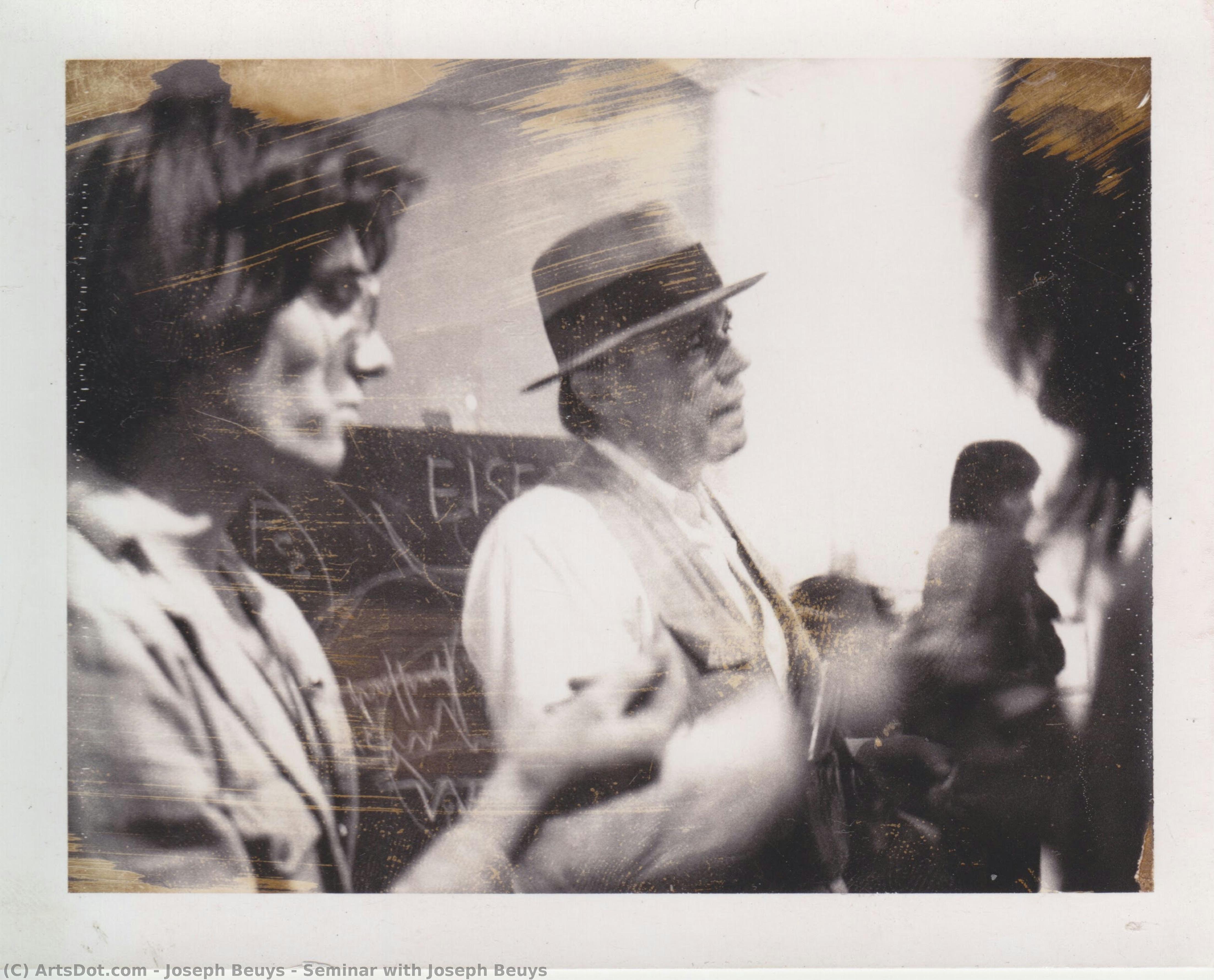
Seminar with Joseph Beuys


 Читать далее
Масляная репродукция ручной работы
Картина маслом на холсте в выбранном вами размере и раме, написанная на заказ нашими художниками. ( Перейти к печати Перейти к цифровым изображениям)




































Выберите один из наших стандартных размеров, соответствующих оригинальным пропорциям произведения искусства.

Вы можете указать собственные размеры, чтобы картина идеально вписалась в выбранную раму или пространство. Если выбранный вами размер не соответствует пропорциям оригинала, мы либо обрежем полотно, либо расширим его за счет дополнительных элементов, написанных вручную. Цифровой макет будет отправлен вам на утверждение перед началом производства.
Обратите внимание, что предварительный просмотр на экране не отражает фактическую обрезку или расширение. Только макет точно покажет окончательную композицию.
Хотя доступны индивидуальные размеры, мы рекомендуем выбирать вариант из предопределенного списка, чтобы сохранить исходные пропорции.
После оформления заказа команда ArtsDot.com свяжется с клиентом по электронной почте для уточнения деталей и предоставит предварительный макет
Доставка по всему миру () за 3–4 недели вместо стандартных 5 недель. (11 Сентябрь). Без компромиссов в качестве.

Бесплатная экспресс-доставка по всему миру

Высококачественный льняной холст

Полное страхование доставки

Гарантия возмещения таможенных пошлин

Гарантия точного соответствия цветов

100-дневная политика возврата (только при обнаружении дефектов)

Гарантия возврата 100% средств

Предложение оптовых скидок
 Вариант со стеклом доступен только для размеров менее 110 см

Seminar with Joseph Beuys
Техника репродукции
Размер репродукции
-


Итоговая стоимость
$ 313
The Echoes of Enlightenment: Capturing an Intellectual Moment
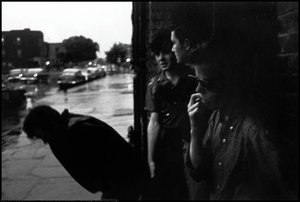
This evocative black and white photograph transports us directly into the charged atmosphere of an intellectual exchange—a seminar presided over by the visionary Joseph Beuys. It is not merely a record of people gathered; it is a captured breath of thought, a moment where ideas, like smoke from chalk dust, hang suspended in the air. The composition itself speaks volumes about the nature of discourse: informal, immediate, and deeply human. We see figures clustered with an undeniable sense of shared focus, their gazes drawn toward the speaker, suggesting a collective absorption into profound concepts. The grainy texture inherent to the medium lends the piece an almost archaeological quality, as if we are viewing a precious fragment salvaged from the annals of modern thought.
A Study in Documentary Realism and Texture
Technically, the photograph operates within the realm of documentary realism, yet its impact transcends mere reportage. The limited palette of grays—from deep, velvety blacks to luminous whites—forces the viewer to concentrate on tonal contrast and form rather than color distraction. Notice how the chalkboard behind the figures becomes a canvas for ephemeral knowledge; the chalk writing introduces sharp, linear geometry that contrasts beautifully with the soft, organic curves of the human forms. This interplay between rigid structure (the board) and fluid life (the people) is central to the piece's visual tension. The diffused, uneven lighting prevents any single area from dominating, instead bathing the scene in a gentle, almost conspiratorial glow.
Symbolism: Art as Societal Catalyst
To understand this image is to engage with Beuys’s philosophy itself—that art is not decorative but fundamentally transformative. The seminar setting becomes a microcosm for societal change. The presence of the chalkboard and the engaged audience symbolizes the transmission of vital, perhaps revolutionary, ideas. For the collector or designer, owning this reproduction means acquiring more than just wall decor; it is an emblem of intellectual curiosity. It suggests a home environment that values dialogue, learning, and the challenging conversation over mere superficiality.
Emotional Resonance for Modern Spaces
The emotional impact of this piece is one of poignant intimacy mixed with grand scope. The slight blurriness, which might initially suggest imperfection, ultimately serves to heighten the sense of a fleeting moment—a memory so potent it resists sharp definition. For interior design applications, this photograph offers unparalleled depth. It anchors a room not with color, but with palpable atmosphere. Imagine it displayed where conversation naturally flows; it acts as a silent curator, inviting viewers to pause, lean in, and contemplate the weight of what was said, echoing the enduring power of human connection and profound thought.
Похожие произведения


Биография художника
A Life Sculpted in Society
Joseph Beuys, a name synonymous with the expansion of artistic boundaries, was more than just an artist; he was a visionary who believed creativity held the key to societal transformation. Born in Krefeld, Germany, in 1921, his life unfolded against a backdrop of immense political and social upheaval, profoundly shaping his artistic philosophy. From a childhood marked by relocation and early exposure to both natural sciences and the burgeoning darkness of Nazism—an event crystallized by rescuing Carl Linnaeus’s *Systema Naturae* from a book burning—Beuys developed a sensitivity to the fragility of existence and the power of symbolic action. His formative years were steeped in an intellectual curiosity that spanned music, mythology, and history, laying the groundwork for his later multidisciplinary approach. Though briefly involved with the Hitler Youth as a teenager – a common experience for German youth at the time – Beuys’s trajectory would ultimately lead him to challenge established norms and advocate for radical social change through art.The Crucible of War and the Birth of an Iconography
World War II proved a pivotal, almost mythic, turning point in Beuys's life. Volunteering for the Luftwaffe in 1941, he experienced a near-fatal plane crash in Crimea in 1944. The story that emerged from this event—his rescue by Tatar tribesmen who wrapped his broken body in felt and fat to preserve warmth and aid healing—became central to his artistic identity. While historical accounts dispute the details of this narrative, Beuys embraced it as a foundational myth, imbuing these materials with profound symbolic weight. Felt, representing protection, insulation, and connection to nature; and fat, symbolizing energy, healing, and transformation—these became recurring motifs in his work, acting as potent metaphors for the human condition and the potential for renewal. Following the war, Beuys formally studied sculpture at the Düsseldorf Academy of Fine Arts, but it was his engagement with anthroposophy, the spiritual philosophy developed by Rudolf Steiner, that truly ignited his artistic vision. This encounter profoundly influenced his belief in the interconnectedness of all things and his desire to use art as a tool for social healing.Social Sculpture: Art as a Revolutionary Force
Beuys’s most significant contribution to art history is arguably his concept of “Social Sculpture” (*Soziale Plastik*). This wasn't merely about creating physical objects; it was a holistic vision where creativity played a vital role in shaping society and politics. He believed that every individual possessed creative potential, and that this potential could be unlocked through participation—blurring the lines between artist, artwork, and audience. Social Sculpture wasn’t confined to galleries or museums; it extended into everyday life, encompassing political activism, educational initiatives, and public performances. He envisioned a “Gesamtkunstwerk”—a total work of art—where all aspects of human existence could be creatively engaged to foster positive social change. This philosophy underpinned his numerous actions, installations, and pedagogical endeavors, challenging the traditional role of the artist as a solitary creator and positioning them instead as a catalyst for collective transformation.Performance, Materials, and Political Engagement
Beuys’s artistic practice was remarkably diverse, encompassing performance art, installations, drawings, sculptures, and political activism. His performances were often ritualistic, involving direct engagement with the public and unconventional materials. Iconic works like his felt suits, which he wore during numerous actions, symbolized warmth, protection, and a primal connection to nature. Fat Installations explored themes of energy, healing, and transformation, while performances such as “I Like to Learn” (1965), where he sat in a gallery window with stones and honey inviting dialogue, emphasized the importance of knowledge sharing and open communication. Sculptures like “Lightning with Stag in Its Glare” represented primal forces and human consciousness. Beyond his artistic creations, Beuys actively participated in political debates, founding the Free International Zone (FIZ) at documenta 7—a space for artistic experimentation and social dialogue—and becoming a vocal supporter of the German Green Party. He saw art as a means to address pressing social issues such as environmental degradation and political injustice.A Lasting Legacy
Joseph Beuys died in 1986, leaving behind a legacy that continues to inspire artists, activists, and thinkers today. He radically challenged conventional notions of creativity and authorship, emphasizing participation and social engagement. His work expanded the definition of art beyond aesthetic concerns to encompass political, environmental, and spiritual dimensions. His concept of Social Sculpture remains profoundly relevant, urging us to recognize the creative potential within ourselves and to actively participate in shaping a more just and sustainable future. Beuys wasn’t simply an artist; he was a prophet of possibility, reminding us that art has the power not only to reflect society but also to transform it. His work continues to be studied and debated, solidifying his position as one of the most influential artists of the 20th century.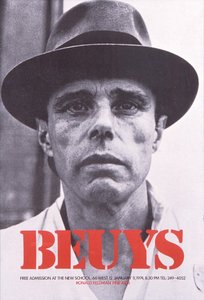
Йозеф Буйс
1921 - 1986 , Германия
Основные сведения
- Artistic Movement Or Style: Флукс, перформанс
- Artists Or Movements Influenced By This Artist:
- Перформанс
- Социальная скульптура
- Artists Who Influenced This Artist:
- Рудольф Штайнер
- Эвальд Матэре
- Date Of Birth: 12 мая 1921
- Date Of Death: 23 января 1986
- Full Name: Joseph Heinrich Beuys
- Nationality: Германец
- Notable Artworks:
- Семинар с Йозефом Бюемсом
- Правда о...
- Я люблю учиться
- Молния со зверя в блеске
- Костюмы из льна
- Place Of Birth: Крефельд, Германия
Похожие статьи

Топ-10 знаменитых картин в черных тонах: шедевры искусства для вашего интерьера
Погрузитесь в мир темных шедевров! Топ-10 знаменитых картин в черных тонах от Гойи, Рембрандта и Мунка. История искусства, техники живописи и вдохновение для вашего интерьера. Купите репродукции высокого качества на ArtsDot.com
Beyond the Lens: Photography's Enduring Influence on Modern & Contemporary Art
Explore photography's pivotal role in shaping modern & contemporary art. Discover key movements, influential artists like Stieglitz, and expert collecting advice from ArtsDot.

Pictorialism: A Search for Artistic Photography's Soul – Aesthetics, Techniques & Legacy
Explore the captivating world of Pictorialism – a pivotal movement that transformed photography into fine art. Discover key artists like Stieglitz & Käsebier, techniques, and collecting tips from experts.

Monochrome Visions: Exploring the Aesthetic & Historical Significance of Black & White Photography
Explore the rich history & artistic power of black and white photography. From early techniques to iconic masters like Ansel Adams, discover why monochrome continues to captivate art lovers today. Expert insights for collectors.

Белые шедевры: 10 знаменитых картин, покоривших мир (репродукции, декор)
Откройте для себя 10 знаменитых картин, где белый цвет – главный герой! Моне, Дега и другие мастера. История искусства, техники живописи и вдохновение для вашего интерьера. Репродукции высокого качества на ArtsDot.com