


 Предпросмотр
 Поделиться
 Поделиться
 Детали произведения

 Скачать
 Похожие работы
 Рентгенография
 Слайд-шоу
 Статистика
Mary Lodge, Bride of Baron Charles-Louis de Keverberg de Kessel
 1818
1818 212.0 x 145.0 cm
 Музей Гронинге
 Читать далее
Приобретите цифровое изображение высокого разрешения в улучшенном качестве, которое значительно превосходит онлайн-превью.
Каждый файл тщательно подготавливается нашими специалистами с использованием передовых инструментов и экспертной ручной ретуши. Мы гарантируем исключительную четкость, точную цветопередачу и детальную проработку каждого изображения.
Финальный файл доставляется по электронной почте в течение 72 часов и оптимизирован для немедленного использования в профессиональной среде, при верстке и печати. Это тот же уровень качества, которому доверяют ведущие дизайнерские студии, издательства и галереи.
Цифровое изображение
Скачайте файл высокого разрешения для личного использования, печати и творческих проектов. ( Перейти к печати Купить картину ручной работы)
Включено в каждый заказ цифровых изображений
Гарантия экспертной цифровой доставки
Выбирая ArtsDot.com, вы получаете не просто изображение — вы приобретаете профессионально обработанное цифровое произведение искусства, созданное с безупречной точностью и под защитой гарантии качества. Вот всё, что автоматически входит в ваш заказ:

Мгновенная доставка по e-mail
Ваш цифровой файл в высоком разрешении будет отправлен вам по электронной почте в течение 72 часов после оформления заказа — и сразу станет доступен для использования.

Цифровой файл с ИИ-улучшением
Ваше произведение искусства проходит профессиональную оптимизацию с использованием передовых инструментов ИИ и ручной обработки, что гарантирует максимальную детализацию, четкость и точность цветопередачи.

Бессрочная бесплатная повторная доставка
Случайно удалили или потеряли файл? Не беспокойтесь — мы отправим его вам повторно в любое время и совершенно бесплатно.

Без импортных пошлин — навсегда
Наслаждайтесь вашим произведением искусства мгновенно без таможенных пошлин, сборов или затрат на доставку — цифровые загрузки всегда не облагаются налогом.

Гарантия точности цветопередачи
Мы гарантируем, что ваше цифровое изображение максимально точно передает оригинальные цвета благодаря использованию профессиональных инструментов и систем управления цветом.

Гарантия удовлетворенности 100 дней
Если вы не будете удовлетворены своим цифровым изображением, мы внесем правки или вернем 100% стоимости в течение 100 дней — без лишних вопросов.

100% Гарантия возврата средств
Не удовлетворены покупкой? Получите полный возврат средств в течение 100 дней после получения цифрового файла — без лишних вопросов.

Скидки на оптовые заказы
Купите 3 изображения, сэкономьте 10% — Купите 5, сэкономьте 15% — Купите 10+, сэкономьте 20%. Отличное решение для творческих проектов, галерей и агентств.
Похожие произведения
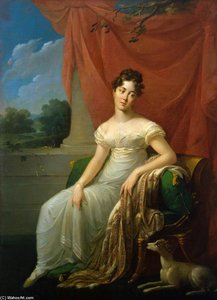
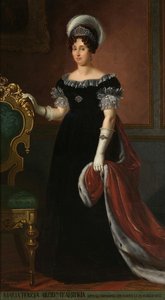
Биография художника
The Flemish Master of Light and Elegance
Joseph François Ducq, born in the quiet Belgian town of Ledeghem on September 29th, 1763, stands as a luminous figure in the tapestry of European art history. His life was a journey of profound artistic evolution, moving from the disciplined foundations of classical training to a more nuanced, atmospheric approach that anticipated the shifting sensibilities of the nineteenth century. Ducq’s early years were shaped by the rich traditions of Flanders, beginning his formal education under the watchful eye of Matthias de Visch in Bruges. This foundational period instilled in him a rigorous respect for form and detail, which he later expanded through studies at Saint John's College in Leuven. However, it was his pursuit of the broader European stage that truly defined his trajectory, leading him to the heart of the art world in Paris.
The Parisian era proved transformative for the young artist. Benefiting from a prestigious scholarship and the mentorship of Jean-Jacques Bachelier, Ducq immersed himself in the vibrant, intellectual atmosphere of the French capital. This period was marked by his engagement with Neoclassicism, a movement that demanded precision, idealized beauty, and rational composition. His talent was quickly recognized by the establishment; in 1800, he was awarded the second grand prize at the École Royale Supérieure des Beaux-Arts, and by 1810, he had earned a prestigious medal from the Academy. These accolades were not merely personal triumphs but signaled his emergence as a significant voice within the elite artistic circles of Europe.
A Journey Through Classical Grandeur and Impressionistic Light
Ducq’s artistic development was never static; rather, it was a continuous dialogue between tradition and innovation. His travels to Rome served as a spiritual and technical pilgrimage, where the monumental legacies of Raphael and Michelangelo left an indelible mark on his psyche. From these masters, he inherited an appreciation for grandeur and a meticulous approach to the human figure, which would later manifest in his celebrated portraiture. Yet, as the nineteenth century progressed, Ducq began to move away from the rigid structures of Neoclassimism. He started to embrace more fluid, proto-Impressionistic techniques, demonstrating a growing fascination with the ephemeral qualities of light and the subtle textures of the natural world.
This stylistic metamorphosis allowed him to capture not just the physical likeness of his subjects, but their very essence and social standing. While he is often remembered for his ability to depict the refined elegance of Victorian England, his work possesses a universal quality that transcends specific eras. His landscapes, too, reflect this evolution, transitioning from structured compositions to scenes that breathe with atmosphere and movement. Through his brush, the interplay of shadow and illumination becomes a narrative tool, capable of evoking deep emotion and a sense of historical continuity.
Legacy and Artistic Significance
The enduring significance of Joseph François Ducq lies in his ability to bridge the gap between the old world and the new. He was an artist who could honor the classical weight of the past while experimenting with the light-filled possibilities of the future. His portraits, such as the evocative Portrait of Colette Versavel, Wife of Isaac J. de Meyer, serve as windows into a bygone era of social grace and aristocratic poise. His work remains a vital subject for historians and art lovers alike, representing a period of immense transition in European culture.
Today, the legacy of Ducq is preserved through his contributions to the canon of Flemish and French portraiture. His life’s work serves as a testament to the power of artistic dedication—a journey from a small Belgian village to the highest honors of the Parisian Academy. To study his oeuvre is to witness the birth of a modern sensibility, where the meticulous detail of the master meets the fleeting, beautiful reality of the moment.
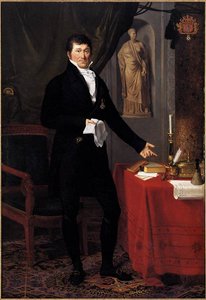
joseph françois ducq
1763 - 1829 , Belgium
Основные сведения
- Artistic Movement Or Style: Neo-classicism
- Artists Or Movements Influenced By This Artist: ['Jacques-Louis David']
- Artists Who Influenced This Artist:
- Jean-Jacques Bachelier
- François Kinson
- Date Of Birth: Ledegem, Belgium (1763)
- Date Of Death: Bruges (1829)
- Full Name: Joseph François Ducq
- Nationality: Flemish
- Notable Artworks:
- Meleager
- Devotion of a Scythian
- Marriage of Angelica and Medora
- Place Of Birth: Belgium