

 Предпросмотр
 Поделиться
 Поделиться
 Детали произведения

 Скачать
 Похожие работы
 Рентгенография
 Слайд-шоу
 Статистика
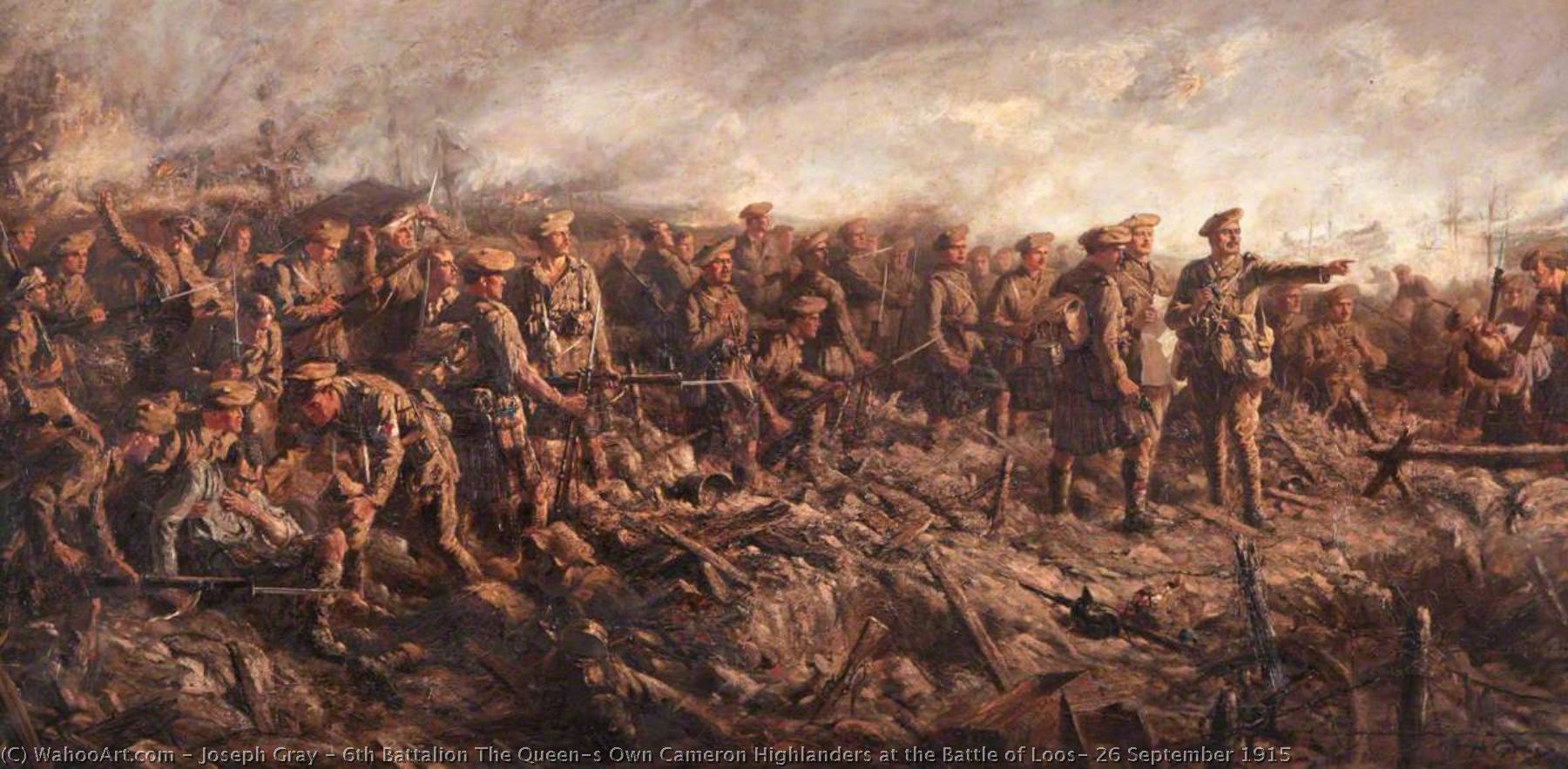
6th Battalion The Queen's Own Cameron Highlanders at the Battle of Loos, 26 September 1915
 1919
1919 92.0 x 184.0 cm
 Читать далее
Жикле / Арт-принт
Печать (жикле) или холст музейного качества с быстрыми сроками изготовления и широким выбором вариантов отделки. ( Купить картину ручной работы Перейти к цифровым изображениям)




































Выберите один из наших стандартных размеров, соответствующих оригинальным пропорциям произведения искусства.

Вы можете указать свои собственные размеры, чтобы репродукция идеально подошла под конкретную раму или пространство. Если выбранный вами размер не будет соответствовать пропорциям оригинала, мы либо обрежем произведение, либо дополним изображение зеркальным отражением краев или однотонной заливкой. Перед началом производства вам будет отправлен цифровой макет для утверждения.
Пожалуйста, обратите внимание, что предварительный просмотр на экране не отображает фактическую обрезку или расширение изображения. Только макет точно покажет финальную композицию.
Несмотря на возможность заказа индивидуальных размеров, мы рекомендуем выбирать размер из предопределенного списка, чтобы сохранить оригинальные пропорции.
Доставка по всему миру () за 2 недели вместо стандартных 4/5 недель. (11 Сентябрь)

Бесплатная экспресс-доставка по всему миру

Высококачественный льняной холст

Полное страхование доставки

Гарантия возмещения таможенных пошлин

Гарантия точного соответствия цветов

100-дневная политика возврата (только при обнаружении дефектов)

Гарантия возврата 100% средств

Предложение оптовых скидок
 Вариант со стеклом доступен только для размеров менее 110 см

6th Battalion The Queen's Own Cameron Highlanders at the Battle of Loos, 26 September 1915
Жикле / Арт-принт
Размер репродукции
-


Итоговая стоимость
$ 62
Похожие произведения










Биография художника
The Soul of the Battlefield: The Life and Legacy of Joseph Gray
To encounter the works of Joseph Gray is to step into a realm where history breathes through layers of oil and pigment. A painter whose name is inextricably linked to the visceral memory of the First World War, Gray possessed a rare ability to translate the harrowing silence of the trenches and the thunderous chaos of battle into a visual language of profound empathy. Born on June 6, 1890, in South Shields, England, his early life was shaped by the rugged maritime atmosphere of his birthplace. The son of a master mariner, Gray initially pursued a path as a sea-going engineer, a vocation that perhaps instilled in him the disciplined observation and technical precision that would later define his artistic mastery.
His transition from the mechanical world to the ethereal realm of fine art began at the South Shields Art School, eventually leading him to the prestigious Slade School of Fine Art in London. It was here that Gray’s artistic sensibilities were truly forged, under the tutelage of masters like William Orpen. This period of intense study allowed him to refine a technique characterized by meticulous detail and an almost scientific approach to light and atmosphere. His early travels through Spain, France, Germany, and Russia further enriched his palette, providing him with a vast treasury of landscapes and cultural textures that would later serve as the foundation for his more somber, historical compositions.
A Witness to War: Technique and Emotional Depth
While many artists of the early twentieth century sought to romanticize the conflict of 1914–1918, Gray’s work stands apart for its unflinching commitment to truth. He did not merely paint scenes of combat; he documented the psychological weight of war. His canvases are often defined by a muted, earthy palette—heavy with the browns, grements, and ochres of the mud-soaked Western Front. Yet, within this somber tonality, Gray employed a sophisticated glazing technique, applying translucent layers of paint to create a sense of depth and luminosity that captured the shifting, often oppressive, atmospheric conditions of the battlefield.
His dedication to historical accuracy was unparalleled. Gray meticulously researched military accounts and sought out eyewitness testimonies to ensure that every uniform, every piece of weaponry, and every topographical detail of battles such as Neuve Chapelle or the Battle of Loos was rendered with absolute fidelity. This precision allowed him to move beyond mere illustration; he captured the very essence of the soldier's experience. In his work, one sees the exhaustion etched into weary faces, the quiet moments of camaraderie amidst the wreckage, and the haunting stillness that follows a heavy bombardment. His art serves as a bridge between the historical record and the human heart.
Enduring Significance and Artistic Heritage
The significance of Joseph Gray’s contribution to British art lies in his role as a visual chronicler of a defining era in human history. His ability to balance the technical rigors of landscape and architectural painting with the raw, emotive power required for battlefield scenes has earned his work a permanent place in the annals of military art. Today, his most evocative pieces are preserved in prestigious institutions, including the Imperial War Museum and various Regimental Museums throughout Britain, serving as vital touchstones for understanding the human cost of conflict.
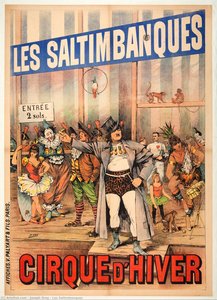
Beyond his wartime chronicles, Gray’s broader oeuvre—ranging from delicate etchings to vibrant depictions of life such as his Les Saltimbanques—reveals an artist of immense versatility and range. He remains a figure of profound importance, not only for the historical truths he preserved but for the way he used the medium of paint to ensure that the echoes of war and the resilience of the human spirit would never truly fade into silence.
Основные сведения
- Artistic Movement Or Style: Art Deco Style
- Artists Or Movements Influenced By This Artist: ['Black Watch']
- Artists Who Influenced This Artist: ['Eileen Gray']
- Date Of Death: Living
- Full Name: Joseph Gray
- Nationality: British
- Notable Artworks: ['Neuve Chapelle']
- Place Of Birth: London, England