


 Предпросмотр
 Поделиться
 Поделиться
 Детали произведения

 Скачать
 Похожие работы
 Рентгенография
 Слайд-шоу
 Статистика
View of the Heads at the Entrance to Port Jackson
 1824
1824 17.0 x 27.0 cm
 Читать далее
Приобретите цифровое изображение высокого разрешения в улучшенном качестве, которое значительно превосходит онлайн-превью.
Каждый файл тщательно подготавливается нашими специалистами с использованием передовых инструментов и экспертной ручной ретуши. Мы гарантируем исключительную четкость, точную цветопередачу и детальную проработку каждого изображения.
Финальный файл доставляется по электронной почте в течение 72 часов и оптимизирован для немедленного использования в профессиональной среде, при верстке и печати. Это тот же уровень качества, которому доверяют ведущие дизайнерские студии, издательства и галереи.
Цифровое изображение
Скачайте файл высокого разрешения для личного использования, печати и творческих проектов. ( Перейти к печати Купить картину ручной работы)
Включено в каждый заказ цифровых изображений
Гарантия экспертной цифровой доставки
Выбирая ArtsDot.com, вы получаете не просто изображение — вы приобретаете профессионально обработанное цифровое произведение искусства, созданное с безупречной точностью и под защитой гарантии качества. Вот всё, что автоматически входит в ваш заказ:

Мгновенная доставка по e-mail
Ваш цифровой файл в высоком разрешении будет отправлен вам по электронной почте в течение 72 часов после оформления заказа — и сразу станет доступен для использования.

Цифровой файл с ИИ-улучшением
Ваше произведение искусства проходит профессиональную оптимизацию с использованием передовых инструментов ИИ и ручной обработки, что гарантирует максимальную детализацию, четкость и точность цветопередачи.

Бессрочная бесплатная повторная доставка
Случайно удалили или потеряли файл? Не беспокойтесь — мы отправим его вам повторно в любое время и совершенно бесплатно.

Без импортных пошлин — навсегда
Наслаждайтесь вашим произведением искусства мгновенно без таможенных пошлин, сборов или затрат на доставку — цифровые загрузки всегда не облагаются налогом.

Гарантия точности цветопередачи
Мы гарантируем, что ваше цифровое изображение максимально точно передает оригинальные цвета благодаря использованию профессиональных инструментов и систем управления цветом.

Гарантия удовлетворенности 100 дней
Если вы не будете удовлетворены своим цифровым изображением, мы внесем правки или вернем 100% стоимости в течение 100 дней — без лишних вопросов.

100% Гарантия возврата средств
Не удовлетворены покупкой? Получите полный возврат средств в течение 100 дней после получения цифрового файла — без лишних вопросов.

Скидки на оптовые заказы
Купите 3 изображения, сэкономьте 10% — Купите 5, сэкономьте 15% — Купите 10+, сэкономьте 20%. Отличное решение для творческих проектов, галерей и агентств.
Похожие произведения









Биография художника
The Echoes of the Everyday: Exploring the Work of William Adames
William Adames (1803-1828), a name perhaps less familiar than his contemporaries in the Romantic and early Realist movements, nevertheless carved out a unique and profoundly affecting space within 19th-century British art. Born in London, Adames’ life was tragically short, cut short by tuberculosis at the age of twenty-five, yet during his brief career he produced a body of work that continues to resonate with its quiet observation, meticulous detail, and poignant exploration of ordinary subjects—a hallmark of what would later be termed “Präraffination” or “sublime realism.” His art wasn’t about grand narratives or heroic figures; instead, Adames sought to capture the essence of human experience within the seemingly mundane details of daily life.Early Life and Influences
Adames' artistic journey began with a rigorous apprenticeship under John Esmore Hughes, a portrait painter who instilled in him a strong foundation in classical technique and composition. However, it was the influence of the Pre-Raphaelites – particularly their emphasis on direct observation and detailed rendering – that truly shaped Adames’ approach. The Brotherhood's fascination with medieval art, mythology, and literature provided a crucial counterpoint to the prevailing academic styles of the time. While he never formally joined the group, Adames shared many of their core principles: a commitment to truthfulness in representation, an interest in symbolism, and a rejection of idealized beauty. His early works demonstrate this influence, particularly his depictions of biblical scenes – notably *The Annunciation* (1826) – which are characterized by a remarkable clarity of form and a subtle, almost melancholic atmosphere. The meticulous detail, reminiscent of Flemish masters, combined with the Pre-Raphaelite’s interest in narrative and symbolism, created a distinctive visual language.The Subject Matter: Everyday Life and Psychological Depth
What distinguished Adames from many of his contemporaries was his consistent focus on ordinary subjects – women engaged in domestic tasks, children playing, laborers at work, and scenes of rural life. He wasn’t interested in grand historical events or dramatic narratives; instead, he sought to reveal the inner lives of these individuals through careful observation and psychological insight. His paintings are imbued with a sense of quiet contemplation, inviting viewers to consider the complexities of human experience within seemingly simple moments. *The Milkmaid* (1827), perhaps his most famous work, exemplifies this approach. The painting isn’t merely a depiction of a rural scene; it's a profound meditation on loneliness, isolation, and the weight of routine. The milkmaid’s expression—a mixture of weariness and resignation—is rendered with astonishing subtlety, conveying a wealth of emotion through a single glance. Similarly, *The Shoemaker* (1827) captures the dignity and quiet strength of a working-class man, highlighting his skill and dedication to his craft.Technique and Style: Precision and Atmosphere
Adames’ technical mastery is evident in every detail of his paintings. He employed a meticulous technique, painstakingly building up layers of paint to achieve an extraordinary level of realism. His use of light and shadow was particularly noteworthy, creating atmospheric effects that enhanced the emotional impact of his scenes. He often worked *alla prima*, directly on the canvas without preliminary sketches, allowing him to capture fleeting moments and spontaneous expressions with remarkable immediacy. The influence of Flemish painting is palpable in his handling of color—a rich, luminous palette achieved through careful layering and glazing. Furthermore, Adames’ compositions are typically balanced and harmonious, reflecting a deep understanding of classical principles of design.Legacy and Historical Significance
Despite the brevity of his career, William Adames left a significant mark on British art. His work anticipated many of the developments in Realism that would emerge in the latter half of the 19th century, demonstrating a commitment to depicting everyday life with honesty and psychological depth. While he never achieved widespread fame during his lifetime, his paintings have been increasingly recognized for their quiet beauty, profound insights, and enduring relevance. His focus on the overlooked and the marginalized—the women, children, and laborers of Victorian England—offers a valuable perspective on a period often dominated by narratives of wealth and power. Today, Adames’ work stands as a testament to the power of observation, the importance of empathy, and the beauty that can be found in the most ordinary of subjects. His legacy lies not in grand pronouncements or dramatic gestures, but in the quiet echoes of human experience captured with remarkable precision and sensitivity within his paintings.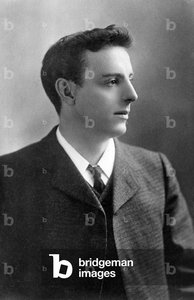
joseph lycett
1828 , United Kingdom
Основные сведения
- Artistic Movement Or Style: World Goes Pop
- Date Of Death: 1828
- Notable Artworks:
- Evelyne Axell
- Joav BarEl
- Thomas Bayrle