


 Предпросмотр
 Поделиться
 Поделиться
 Детали произведения

 Скачать
 Похожие работы
 Рентгенография
 Слайд-шоу
 Статистика
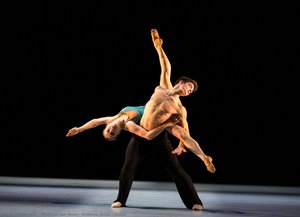
Boléro / Rachmaninov / Solo, Julien Lestel Company, 2016


 Читать далее
Жикле / Арт-принт
Печать (жикле) или холст музейного качества с быстрыми сроками изготовления и широким выбором вариантов отделки. ( Купить картину ручной работы Перейти к цифровым изображениям)




































Выберите один из наших стандартных размеров, соответствующих оригинальным пропорциям произведения искусства.

Вы можете указать свои собственные размеры, чтобы репродукция идеально подошла под конкретную раму или пространство. Если выбранный вами размер не будет соответствовать пропорциям оригинала, мы либо обрежем произведение, либо дополним изображение зеркальным отражением краев или однотонной заливкой. Перед началом производства вам будет отправлен цифровой макет для утверждения.
Пожалуйста, обратите внимание, что предварительный просмотр на экране не отображает фактическую обрезку или расширение изображения. Только макет точно покажет финальную композицию.
Несмотря на возможность заказа индивидуальных размеров, мы рекомендуем выбирать размер из предопределенного списка, чтобы сохранить оригинальные пропорции.
Доставка по всему миру () за 2 недели вместо стандартных 4/5 недель. (14 Сентябрь)

Бесплатная экспресс-доставка по всему миру

Высококачественный льняной холст

Полное страхование доставки

Гарантия возмещения таможенных пошлин

Гарантия точного соответствия цветов

100-дневная политика возврата (только при обнаружении дефектов)

Гарантия возврата 100% средств

Предложение оптовых скидок
 Вариант со стеклом доступен только для размеров менее 110 см

Boléro / Rachmaninov / Solo, Julien Lestel Company, 2016
Жикле / Арт-принт
Размер репродукции
-


Итоговая стоимость
$ 62
Похожие произведения




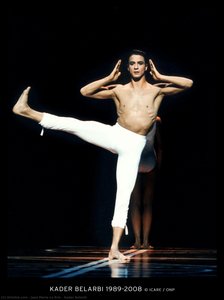
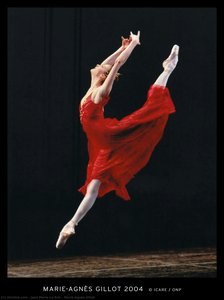
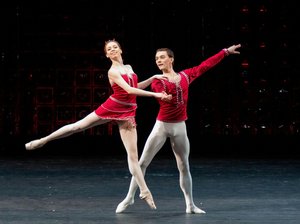
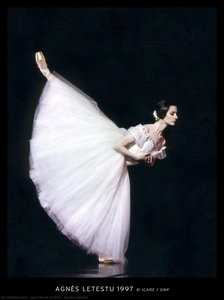
Биография художника
A Life Immersed in Sound: The World of Maurice Ravel
Maurice Ravel, a name synonymous with shimmering textures and evocative melodies, stands as one of the most beloved composers of the 20th century. Born on March 7, 1875, in Ciboure, a small Basque town near the Spanish border, his origins were far removed from the Parisian salons he would eventually conquer. His father, Pierre-Émile Ravel, was an engineer with inventive inclinations but limited musical talent; his mother, Marie Delattre, possessed a more refined sensibility and nurtured her son’s early passion for music. This duality – a blend of practical ingenuity and artistic sensitivity – perhaps foreshadowed the unique character of Ravel's compositions: meticulously crafted yet brimming with emotional depth. He began piano lessons at age seven, demonstrating an exceptional aptitude that quickly outstripped the capabilities of his initial teachers. Though initially drawn to composers like Chopin and Schumann, he soon sought guidance from more progressive figures, notably Émile Pessard, who instilled in him a rigorous technical foundation. Ravel’s early attempts to enter the Paris Conservatoire were thwarted by his lack of traditional academic credentials; however, he eventually gained admission in 1887, studying composition with Gabriel Fauré. Fauré recognized and encouraged Ravel's distinctive voice, even as it diverged from conventional norms.Early Struggles and the Forging of a Style
The years at the Conservatoire were marked by both intense study and frustrating setbacks. Despite his prodigious talent, Ravel struggled to win prestigious prizes, facing criticism for his unconventional harmonies and reluctance to conform to established expectations. He was dismissed from Fauré’s class after failing an important counterpoint exam, a blow that fueled his determination to forge his own path. This period of relative obscurity proved crucial in the development of his unique style. He immersed himself in diverse musical influences – Spanish folklore, Russian composers like Mussorgsky and Rimsky-Korsakov, and the emerging sounds of jazz – absorbing their essence and transforming them into something entirely new. Ravel’s early works, such as *Pavane pour une infante défunte* (1895) and *Jeux d'eau* (1901), already hint at his characteristic blend of delicate orchestration, subtle harmonic color, and a fascination with atmosphere and suggestion. These pieces, though initially overlooked by the mainstream musical establishment, began to attract attention within avant-garde circles, establishing him as a composer to watch. He deliberately avoided grand operatic forms early in his career, preferring shorter, more intimate works that allowed him to explore nuance and refine his compositional technique.The Zenith of Creativity: Masterpieces and Recognition
The first decade of the 20th century witnessed Ravel’s ascent to international prominence. 1908 proved a pivotal year with the premiere of *Daphnis et Chloé*, a ballet commissioned by Sergei Diaghilev for his Ballets Russes. This lush, evocative score, inspired by Greek pastoral poetry, showcased Ravel's mastery of orchestration and harmonic color, establishing him as a leading figure in French music. The following year brought the premiere of *Ma Mère l’Oye* (Mother Goose), a suite of five piano pieces later orchestrated into a beloved ballet. However, it was *Boléro* (1928) that catapulted Ravel to widespread fame – and notoriety. The piece's relentless rhythmic ostinato and gradual crescendo captivated audiences worldwide, becoming one of the most recognizable orchestral works ever written. Despite its immense popularity, Ravel himself grew ambivalent towards *Boléro*, feeling it overshadowed other aspects of his compositional output. He continued to explore diverse forms throughout his career, composing piano concertos, chamber music, vocal works, and even jazz-influenced pieces like the *Sonatine* (1905) and the *Rhapsodie Espagnole* (1907). His *Concerto pour la main gauche* (Piano Concerto for the Left Hand), written for Paul Wittgenstein after the pianist lost his right arm in World War I, stands as a testament to his ingenuity and compassion.Influences, Development & Historical Significance
Ravel’s musical language was characterized by its exquisite craftsmanship, subtle harmonic color, and evocative atmosphere. He drew inspiration from a wide range of sources – Spanish folklore, Russian composers like Mussorgsky and Rimsky-Korsakov, the Impressionist painters Monet and Debussy, and the emerging sounds of jazz. While often grouped with the Impressionists, Ravel resisted this categorization, emphasizing his commitment to clarity of form and precise orchestration. He saw himself as a craftsman rather than an emotional expressionist, meticulously constructing his works from the ground up.- Spanish Influences: His Basque heritage profoundly shaped his musical sensibility, evident in works like *Rhapsodie Espagnole* and *Boléro*, which incorporate Spanish rhythms and melodies.
- Russian Composers: Mussorgsky’s bold harmonies and Rimsky-Korsakov’s vibrant orchestration inspired Ravel to explore new sonic possibilities.
- Impressionism & Symbolism: The evocative atmospheres of Impressionist painters like Monet and the poetic imagery of Symbolist writers influenced his approach to musical form and expression.
- Jazz: Ravel was fascinated by jazz, incorporating its rhythms and harmonies into works like *Sonatine* and *Anson’s Lullaby*.
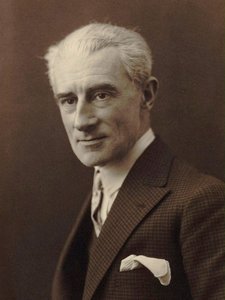
joseph maurice ravel
1875 - 1937 , France