

 Предпросмотр
 Поделиться
 Поделиться
 Детали произведения

 Скачать
 Похожие работы
 Рентгенография
 Слайд-шоу
 Статистика
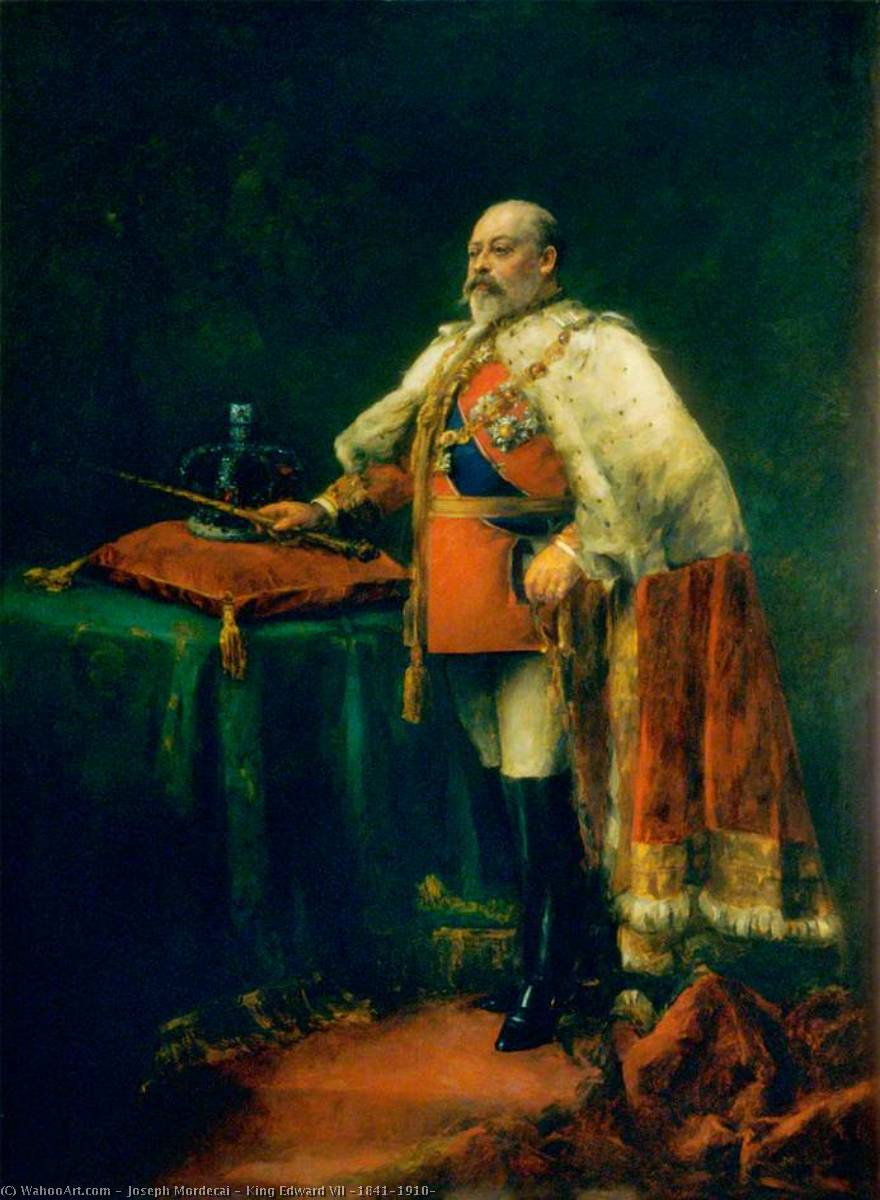
King Edward VII (1841–1910)
 272.0 x 200.0 cm
 Government Art Collection
 Читать далее
Жикле / Арт-принт
Печать (жикле) или холст музейного качества с быстрыми сроками изготовления и широким выбором вариантов отделки. ( Купить картину ручной работы Перейти к цифровым изображениям)




































Выберите один из наших стандартных размеров, соответствующих оригинальным пропорциям произведения искусства.

Вы можете указать свои собственные размеры, чтобы репродукция идеально подошла под конкретную раму или пространство. Если выбранный вами размер не будет соответствовать пропорциям оригинала, мы либо обрежем произведение, либо дополним изображение зеркальным отражением краев или однотонной заливкой. Перед началом производства вам будет отправлен цифровой макет для утверждения.
Пожалуйста, обратите внимание, что предварительный просмотр на экране не отображает фактическую обрезку или расширение изображения. Только макет точно покажет финальную композицию.
Несмотря на возможность заказа индивидуальных размеров, мы рекомендуем выбирать размер из предопределенного списка, чтобы сохранить оригинальные пропорции.
Доставка по всему миру () за 2 недели вместо стандартных 4/5 недель. (11 Сентябрь)

Бесплатная экспресс-доставка по всему миру

Высококачественный льняной холст

Полное страхование доставки

Гарантия возмещения таможенных пошлин

Гарантия точного соответствия цветов

100-дневная политика возврата (только при обнаружении дефектов)

Гарантия возврата 100% средств

Предложение оптовых скидок
 Вариант со стеклом доступен только для размеров менее 110 см

King Edward VII (1841–1910)
Жикле / Арт-принт
Размер репродукции
-


Итоговая стоимость
$ 62
Artistic Details and Symbolism
Upon closer inspection, several objects in the scene add depth and context to the painting. A bottle is placed on the table, while another one can be seen further away. Two cups are also visible, one near the left side of the table and the other near the right side. Additionally, a tie hangs off the edge of the table, possibly belonging to King Edward VII or someone else attending the event. These details demonstrate Joseph Mordecai's attention to detail and ability to convey the monarch's personality through his art.Other Notable Works and Artists
Other notable works featuring King Edward VII include Alexandra of Denmark (1844–1925), Queen Consort of King Edward VII by Jacques-Emile Blanche and John Houston. These paintings can be found on ArtsDot.com, which offers handmade oil painting reproductions of famous artworks. The website also features information on various artists, including Negretti And Zambra, who were appointed opticians and scientific instrument makers to Her Majesty Queen Victoria, Prince Albert, and King Edward VI.- View more paintings by Joseph Mordecai on ArtsDot.com
- Learn about the Government Art Collection and its notable works
- Discover more about Jacques-Emile Blanche and his paintings on ArtsDot.com
The painting King Edward VII by Joseph Mordecai is a remarkable example of artistic skill and attention to detail. With its rich history and cultural significance, this artwork continues to captivate audiences today. For those interested in learning more about this painting and others like it, ArtsDot.com is an excellent resource, offering a wide range of handmade oil painting reproductions and information on various artists and artworks.
Похожие произведения








Биография художника
Joseph Mordecai: A Victorian Portraitist of Faith and Form
The world of 19th-century portraiture was a landscape of established conventions, yet within it flourished artists who dared to challenge boundaries and imbue their work with profound personal meaning. Joseph Mordecai (1851 – 1940), a Jewish artist born in England, stands as a compelling example of this duality. His career spanned over seven decades, producing a remarkable body of religious paintings, evocative portraits, and landscapes that reflect both the formal training he received within the established art world and his deeply held spiritual convictions.
Mordecai’s early life was shaped by his family's heritage and their connection to London’s Jewish community. He began his artistic journey at Heatherley’s School of Art, a prestigious institution known for its rigorous training in classical techniques. Subsequently, he honed his skills at the Royal Academy Schools, absorbing the principles of academic painting – careful observation, meticulous detail, and a commitment to realistic representation. However, beneath this veneer of technical proficiency lay a restless spirit and an evolving artistic sensibility.
A pivotal moment in Mordecai’s development occurred during his time studying at the Royal Academy. He began to develop a distinctive style characterized by rich color palettes, dramatic lighting, and a remarkable ability to capture the psychological depth of his subjects. His portraits were not merely likenesses; they were imbued with an atmosphere of solemnity and introspection, reflecting the inner lives of those he depicted. Notably, he secured commissions from prominent figures, including George V and Edward VII, solidifying his position within the established art circles of London.
Yet, Mordecai’s artistic journey was profoundly influenced by his religious beliefs. He wrestled with questions of faith and doubt throughout his life, a struggle that became increasingly central to his work. His paintings of biblical scenes – particularly those depicting figures like St. Joseph – are imbued with a sense of profound reverence and spiritual intensity. These works demonstrate not just an understanding of the narratives but also a deep emotional engagement with their theological significance. His depictions often eschew the conventional, heroic portrayals favored by some contemporaries, instead presenting figures as vulnerable and deeply human.
Mordecai’s artistic output extended beyond religious subjects to encompass landscapes and portraits of Victorian society. His landscapes, characterized by atmospheric perspective and a sensitivity to light and color, offer glimpses into the beauty of the English countryside. His portraits of members of the British aristocracy and gentry are equally noteworthy, capturing their social standing and individual personalities with subtle grace.
A significant aspect of Mordecai’s legacy lies in his role as a founder of the Reconstructionist movement within Judaism. Dissatisfied with the rigid formalism of traditional Orthodoxy, he sought to create a more inclusive and dynamic form of Jewish faith that embraced both its historical roots and contemporary values. This vision profoundly shaped his artistic practice, encouraging him to explore new ways of representing religious themes and engaging with the complexities of modern life.
Key Works and Artistic Style
- St. Joseph Overseeing the Pharaohs’ Granaries (c. 1890): This iconic painting exemplifies Mordecai's masterful use of light, color, and composition to convey a sense of drama and spiritual significance. The scene is rendered with meticulous detail, capturing the solemnity of the moment and the profound implications of Joseph’s role in saving Egypt from famine.
- Portraits of Royalty (Various Dates): Mordecai's portraits of King Edward VII and Queen Alexandra are considered among his finest achievements. He skillfully captures their regal bearing while also revealing glimpses of their inner lives, creating images that are both formal and deeply personal.
- Landscapes of the English Countryside (Various Dates): Mordecai’s landscapes demonstrate a keen eye for detail and an ability to capture the beauty of the natural world. His paintings evoke a sense of tranquility and contemplation, inviting viewers to immerse themselves in the serenity of the countryside.
- Religious Scenes (Numerous Examples): Paintings such as “The Presentation at Bethlehem” and “The Flight into Egypt” showcase Mordecai’s ability to infuse biblical narratives with emotional depth and spiritual resonance. His depictions are characterized by a sense of reverence, humility, and profound humanism.
Historical Context and Influences
Mordecai's artistic development occurred during a period of significant social and cultural change in Britain. The Victorian era was marked by rapid industrialization, urbanization, and the rise of new ideas about religion, science, and society. The influence of Romanticism, with its emphasis on emotion, imagination, and the sublime, can be seen in his work, particularly in his landscapes and portraits.
Furthermore, Mordecai was influenced by a diverse range of artists, including the Pre-Raphaelites, whose interest in medieval themes and symbolism resonated with his own spiritual sensibilities. He also admired the works of Rembrandt van Rijn, known for his dramatic use of light and shadow and his ability to capture the psychological depth of his subjects.
The rise of Jewish intellectualism during this period also played a role in shaping Mordecai’s artistic vision. He engaged with contemporary debates about Jewish identity, religious practice, and social justice, seeking to create art that reflected both his personal faith and his commitment to the betterment of society.
Legacy and Recognition
Joseph Mordecai's work has been recognized for its technical skill, emotional depth, and spiritual significance. His paintings are held in prominent collections throughout Britain, including the National Portrait Gallery, the Guildhall Art Gallery, and the Government Art Collection. His legacy extends beyond his artistic achievements, as he played a key role in shaping the course of Reconstructionist Judaism.
Today, Mordecai is remembered as one of the most important Victorian portraitists and religious painters of his time. His art continues to inspire and challenge viewers with its beauty, complexity, and profound sense of human experience.
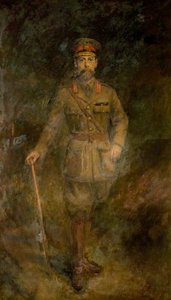
joseph mordecai
1851 - 1940
Основные сведения
- Artistic Movement Or Style: Victorian Art Style
- Artists Or Movements Influenced By This Artist: ['WahooArt.com']
- Artists Who Influenced This Artist:
- James Sant
- Heywood Hardy
- Nikolai Ge
- Date Of Birth: 1851
- Date Of Death: 1940
- Full Name: Joseph Mordecai
- Nationality: American
- Notable Artworks:
- St Joseph Cathedral
- San Diego Art
- Portrait of George V
- Portrait of Edward VII
- Place Of Birth: WahooArt, Nebraska