

 Предпросмотр
 Поделиться
 Поделиться
 Детали произведения

 Скачать
 Похожие работы
 Рентгенография
 Слайд-шоу
 Статистика
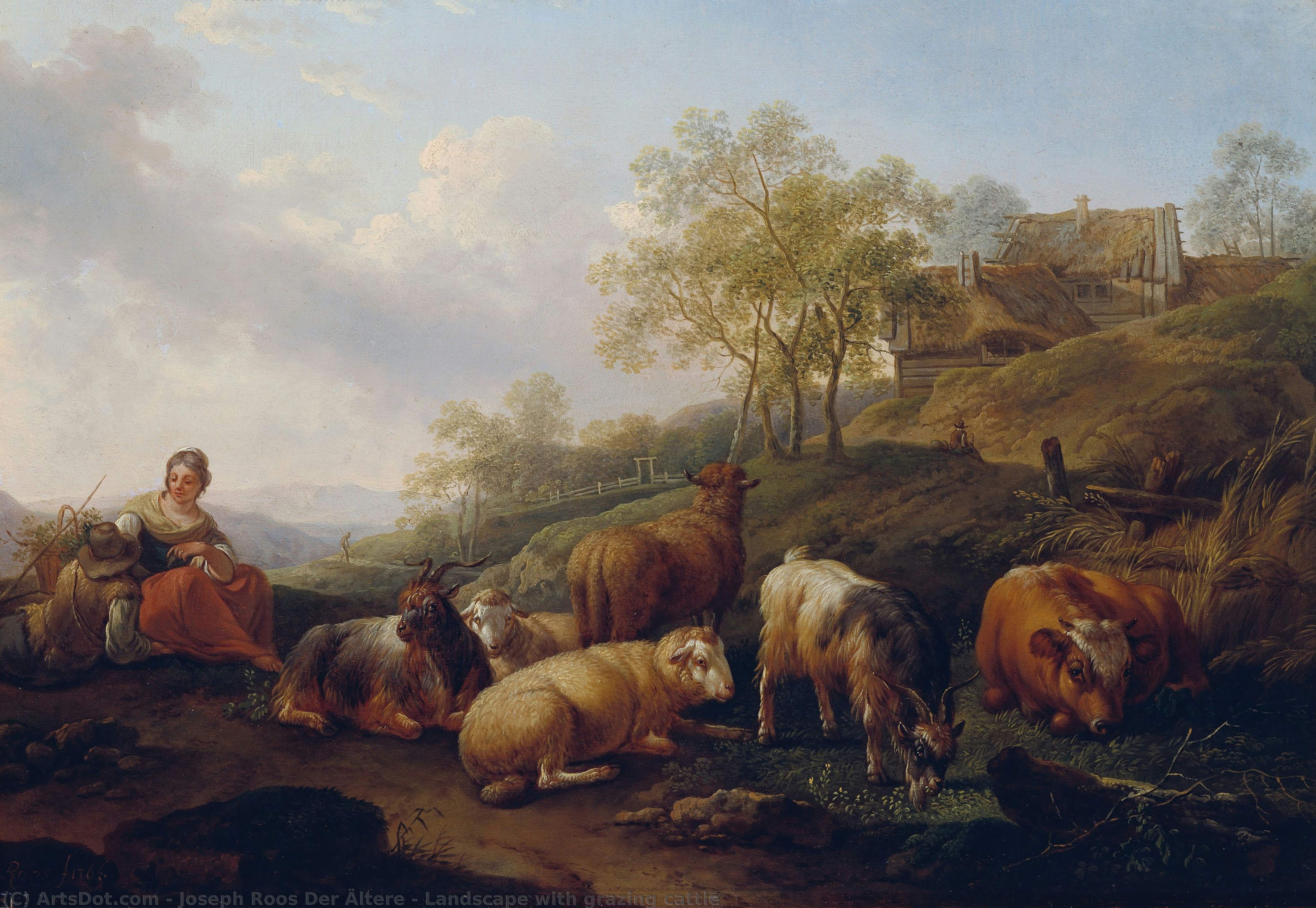
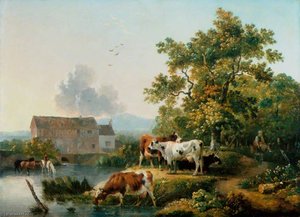
Landscape with grazing cattle


 Читать далее
Приобретите цифровое изображение высокого разрешения в улучшенном качестве, которое значительно превосходит онлайн-превью.
Каждый файл тщательно подготавливается нашими специалистами с использованием передовых инструментов и экспертной ручной ретуши. Мы гарантируем исключительную четкость, точную цветопередачу и детальную проработку каждого изображения.
Финальный файл доставляется по электронной почте в течение 72 часов и оптимизирован для немедленного использования в профессиональной среде, при верстке и печати. Это тот же уровень качества, которому доверяют ведущие дизайнерские студии, издательства и галереи.
Цифровое изображение
Скачайте файл высокого разрешения для личного использования, печати и творческих проектов. ( Перейти к печати Купить картину ручной работы)
Включено в каждый заказ цифровых изображений
Гарантия экспертной цифровой доставки
Выбирая ArtsDot.com, вы получаете не просто изображение — вы приобретаете профессионально обработанное цифровое произведение искусства, созданное с безупречной точностью и под защитой гарантии качества. Вот всё, что автоматически входит в ваш заказ:

Мгновенная доставка по e-mail
Ваш цифровой файл в высоком разрешении будет отправлен вам по электронной почте в течение 72 часов после оформления заказа — и сразу станет доступен для использования.

Цифровой файл с ИИ-улучшением
Ваше произведение искусства проходит профессиональную оптимизацию с использованием передовых инструментов ИИ и ручной обработки, что гарантирует максимальную детализацию, четкость и точность цветопередачи.

Бессрочная бесплатная повторная доставка
Случайно удалили или потеряли файл? Не беспокойтесь — мы отправим его вам повторно в любое время и совершенно бесплатно.

Без импортных пошлин — навсегда
Наслаждайтесь вашим произведением искусства мгновенно без таможенных пошлин, сборов или затрат на доставку — цифровые загрузки всегда не облагаются налогом.

Гарантия точности цветопередачи
Мы гарантируем, что ваше цифровое изображение максимально точно передает оригинальные цвета благодаря использованию профессиональных инструментов и систем управления цветом.

Гарантия удовлетворенности 100 дней
Если вы не будете удовлетворены своим цифровым изображением, мы внесем правки или вернем 100% стоимости в течение 100 дней — без лишних вопросов.

100% Гарантия возврата средств
Не удовлетворены покупкой? Получите полный возврат средств в течение 100 дней после получения цифрового файла — без лишних вопросов.

Скидки на оптовые заказы
Купите 3 изображения, сэкономьте 10% — Купите 5, сэкономьте 15% — Купите 10+, сэкономьте 20%. Отличное решение для творческих проектов, галерей и агентств.
Похожие произведения
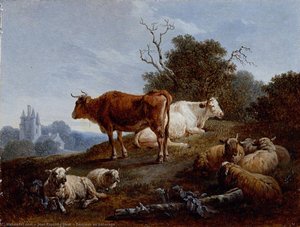
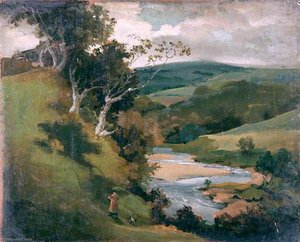
Биография художника
Gavin Hamilton: The Antiquarian Painter of Rome
Gavin Hamilton (1723, Lanarkshire – 4 January 1798, Rome) stands as a singular figure in the history of art, a man inextricably linked to both the burgeoning neoclassical movement and the passionate pursuit of classical antiquities. More widely remembered for his extensive explorations of Roman ruins and his role as an arbiter of taste within the Roman artistic circles, Hamilton’s legacy is one of profound influence, shaping the visual language of his era through meticulously rendered history paintings and a deep engagement with the past. His life was a fascinating blend of Scottish heritage, Italian scholarship, and a relentless dedication to uncovering and interpreting the vestiges of antiquity – a pursuit that ultimately defined his artistic career. Born in Lanarkshire, Scotland, Hamilton’s early life was marked by intellectual curiosity and a strong connection to his family's lineage within the Scottish Enlightenment. Educated at Glasgow University under the tutelage of prominent scholars, he embarked on a ‘Grand Tour’ to Italy at a young age, immersing himself in the artistic and intellectual currents of Rome. This formative period proved pivotal, exposing him not only to the masterpieces of the Renaissance and Baroque but also to the growing fascination with classical antiquity that was transforming European art and thought. He spent several years studying under Agostino Masucci, a Roman painter known for his neoclassical style, further honing his technical skills and developing an appreciation for the idealized forms and balanced compositions characteristic of the era. Hamilton’s artistic career began in London during the 1750s, where he established himself as a portraitist, producing works for wealthy patrons and members of the British elite. However, it was his relocation to Rome in 1748 that truly cemented his place in art history. There, he dedicated himself almost entirely to studying and painting scenes from classical mythology and history – a deliberate choice reflecting his deep commitment to reviving the ideals of ancient Greece and Rome. His most celebrated series, the “Homeric Poems,” comprised six monumental canvases depicting episodes from Homer’s *Iliad*. These works were not merely decorative; they represented Hamilton's ambition to visually embody the epic grandeur and moral lessons embedded within the poem, influenced by scholars like Thomas Blackwell and George Turnbull who had championed a specific interpretation of Homer’s work. The paintings, engraved and disseminated widely across Europe, became immensely popular, establishing Hamilton as a leading figure in the neoclassical movement and profoundly influencing subsequent generations of artists.The Pursuit of Antiquities: A Dual Role
Hamilton's reputation extended far beyond his artistic achievements. He quickly gained renown as an enthusiastic and sometimes controversial “antiquarian,” actively seeking out Roman ruins and artifacts, often through unorthodox means. His relentless excavations in the vicinity of Rome – a practice that frequently drew criticism from local authorities and landowners – fueled speculation about his motives and methods. While some viewed him as a reckless plunderer, others recognized his crucial role in documenting and preserving these remnants of antiquity. He meticulously sketched and cataloged his discoveries, contributing significantly to the growing body of knowledge about Roman history and culture. This dual role—as both artist and antiquarian—created a unique position for Hamilton, allowing him to directly inform his artistic practice with firsthand experience of the classical world. His paintings were not simply imaginative recreations but were grounded in a tangible understanding of Roman architecture, sculpture, and daily life.Key Works and Artistic Style
Hamilton’s artistic style is characterized by its meticulous detail, balanced compositions, and a restrained emotionalism. He adhered closely to the principles of neoclassical art, drawing inspiration from the works of artists such as Raphael and Michelangelo. His history paintings are notable for their clarity of form, precise rendering of drapery, and carefully orchestrated spatial arrangements. The “Homeric Poems,” with their monumental scale and dramatic lighting, exemplify his ability to convey both narrative complexity and emotional resonance. His painting *Death of Lucretia*, a powerful depiction of the Roman legend, became particularly influential, inspiring a series of "oath paintings" across Europe – including Jacques-Louis David’s *Oath of Brutus* – that sought to capture the spirit of civic virtue and patriotic sacrifice.Legacy and Historical Significance
Gavin Hamilton's influence on 18th-century art is undeniable. He played a key role in shaping the neoclassical aesthetic, promoting a return to classical ideals and establishing new standards for historical painting. His work helped to legitimize the study of antiquity within artistic circles and contributed significantly to the development of archaeological scholarship. However, his legacy is also complicated by his controversial activities as an antiquarian, raising important questions about the ethics of collecting and preserving cultural heritage. Despite these complexities, Gavin Hamilton remains a fascinating and significant figure in art history—a painter who bridged the gap between artistic creation and historical investigation, leaving behind a body of work that continues to captivate and inspire today.Further Resources
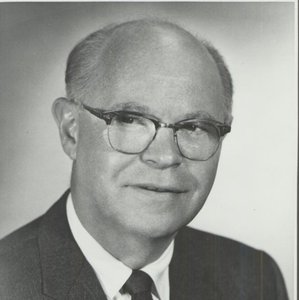
joseph roos der ältere
1723 - 1787 , Germany
Основные сведения
- Artistic Movement Or Style: Neoclassical history painter
- Artists Or Movements Influenced By This Artist:
- Thomas Blackwell
- George Turnbull
- Artists Who Influenced This Artist:
- Agostino Masucci
- Sir Joshua Reynolds
- Date Of Birth: 1723
- Date Of Death: 1798
- Full Name: Gavin Hamilton
- Nationality: Scottish
- Notable Artworks:
- Death of Lucretia
- Homer's Iliad cycle
- Place Of Birth: Lanarkshire, Scotland