

 Предпросмотр
 Поделиться
 Поделиться
 Детали произведения

 Скачать
 Похожие работы
 Рентгенография
 Слайд-шоу
 Статистика
CHRISTOPHE GABRIEL ALLEGRAIN


 Читать далее
Масляная репродукция ручной работы
Картина маслом на холсте в выбранном вами размере и раме, написанная на заказ нашими художниками. ( Перейти к печати Перейти к цифровым изображениям)




P118B $10

P118H $10

P118W $10

P438Z $10

P508JH $12

P508YH $12

P805H $10

P805Z $10

P919BZ $10

P919G $10

P919XJ $10

P959ZH $10

P968JZ $12

W106C $8

W218G $10

W218JH $8

W218Y $10

W307PJ $10

W316G $10

W316PJ $8

W316Y $10

W398PJ $8

W4111J $10

W500HY $15

W500JH $15

W692G $12

W849H $8

W940BG $15

W953PJ $8




Выберите один из наших стандартных размеров, соответствующих оригинальным пропорциям произведения искусства.

Вы можете указать собственные размеры, чтобы картина идеально вписалась в выбранную раму или пространство. Если выбранный вами размер не соответствует пропорциям оригинала, мы либо обрежем полотно, либо расширим его за счет дополнительных элементов, написанных вручную. Цифровой макет будет отправлен вам на утверждение перед началом производства.
Обратите внимание, что предварительный просмотр на экране не отражает фактическую обрезку или расширение. Только макет точно покажет окончательную композицию.
Хотя доступны индивидуальные размеры, мы рекомендуем выбирать вариант из предопределенного списка, чтобы сохранить исходные пропорции.
После оформления заказа команда ArtsDot.com свяжется с клиентом по электронной почте для уточнения деталей и предоставит предварительный макет
Доставка по всему миру () за 3–4 недели вместо стандартных 5 недель. (11 Сентябрь). Без компромиссов в качестве.

Бесплатная экспресс-доставка по всему миру

Высококачественный льняной холст

Полное страхование доставки

Гарантия возмещения таможенных пошлин

Гарантия точного соответствия цветов

100-дневная политика возврата (только при обнаружении дефектов)

Гарантия возврата 100% средств

Предложение оптовых скидок
 Вариант со стеклом доступен только для размеров менее 110 см

CHRISTOPHE GABRIEL ALLEGRAIN
Техника репродукции
Размер репродукции
-


Итоговая стоимость
$ 263
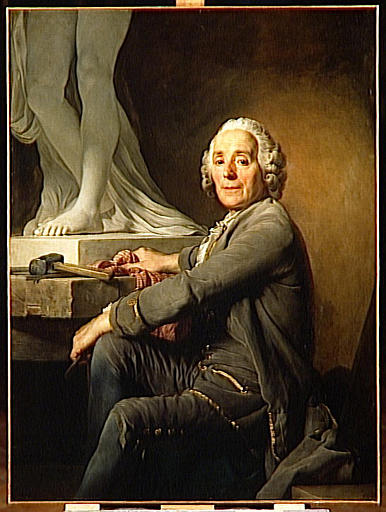
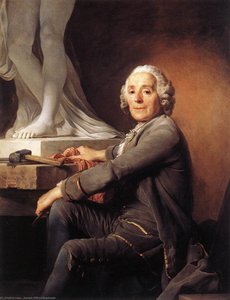
A Moment of Artistic Reverie: Christophe Gabriel Allegrain by Joseph Siffred Duplessis
The portrait of Christophe Gabriel Allegrain, sculpted by Joseph Siffred Duplessis and painted around 1774, isn’t merely a likeness; it's a carefully constructed tableau of intellectual pursuit and artistic confidence. It captures a pivotal moment in the life of a prominent French sculptor, inviting us into his studio—a space brimming with creative energy and quiet contemplation. The painting immediately establishes an atmosphere of thoughtful engagement, a scene both intimate and profoundly resonant with the spirit of the Enlightenment.
Duplessis, a master of capturing the nuances of personality within a formal portrait style, skillfully employs a muted palette dominated by grays, blues, and beiges—tones that lend a sense of dignified restraint to the composition. The lighting is dramatic, a strong directional source illuminating Allegrain’s face and upper body while leaving the background shrouded in shadow. This chiaroscuro effect not only sculpts the figure's form but also draws our attention directly to his expression – a subtle blend of concentration and self-assuredness. The artist has masterfully used light to highlight the textures of Allegrain’s clothing, from the smooth folds of his coat to the rough grain of the marble block behind him, grounding the scene in tangible reality.
The Sculptor's Studio: A World of Creation
Allegrain is seated within a richly appointed studio, a space that speaks volumes about his profession and status. The unfinished sculpture—a testament to his ongoing work—looms large in the background, providing a visual anchor and symbolizing the dynamic process of artistic creation. It’s not simply a backdrop; it's an integral part of the narrative, suggesting the sculptor’s dedication and the constant dialogue between conception and execution. The arrangement is carefully balanced: Allegrain, positioned slightly off-center to the right, commands attention while the statue subtly asserts its presence on the left, creating a harmonious yet dynamic asymmetry.
Duplessis's technique reveals a deep understanding of both portraiture and sculpture. He meticulously renders Allegrain’s features – the thoughtful gaze, the slightly furrowed brow—with remarkable precision. The soft, flowing lines defining his clothing and face contribute to an overall sense of elegance and refinement, characteristic of 18th-century French portraiture. The artist's ability to capture not just physical likeness but also a palpable sense of character is truly impressive.
Symbolism and Context: A Portrait of the Age
This painting transcends a simple depiction of a sculptor; it’s a window into the intellectual climate of 18th-century France. Allegrain's pose, relaxed yet engaged, reflects the confidence and optimism of an era marked by artistic flourishing and philosophical inquiry. The presence of the unfinished sculpture speaks to the importance of process and experimentation within the creative realm – values highly prized during this period. The work is firmly rooted in the Rococo style, known for its elegance, grace, and emphasis on beauty, yet it also anticipates the emerging Neoclassical movement with its focus on order, reason, and classical ideals.
Historical research reveals that Allegrain was a highly respected sculptor, celebrated for his ability to capture both the physical form and the inner spirit of his subjects. His work served as a visual record of an era, reflecting the values and aspirations of French society. The painting’s enduring appeal lies in its ability to transport us back to a time when art was not merely decoration but a powerful means of communication and self-expression.
A Timeless Masterpiece: Reproduction Possibilities
Reproductions of Duplessis's portrait offer an exceptional opportunity to bring this captivating scene into your home or office. Whether you choose a canvas print, a framed giclée, or a high-quality digital reproduction, you’ll experience the same rich colors, intricate details, and evocative atmosphere that captivated viewers in the 18th century. This artwork is more than just an image; it's a portal to a world of artistic brilliance—a testament to the enduring power of human creativity.
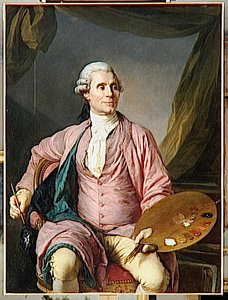
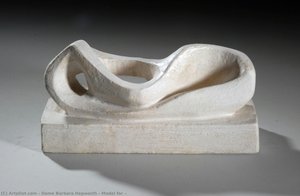
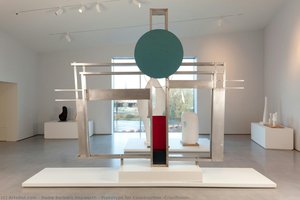
Похожие произведения


Биография художника
Joseph Siffred Duplessis - Master of 18thC French Portraiture, Faméd for Realistic Depictions of Aristocracy & Iconic Portraits Like Benjamin Franklin
Joseph-Siffred Duplessis (1725–1802) stands as a singular figure in the annals of 18th-century French art—a painter who transcended mere technical skill to achieve an unparalleled level of psychological insight and artistic nuance. Born in Carpentras, nestled within the Comtat Venaissin, Duplessis’s early life was marked by familial influences that fostered a profound appreciation for visual expression; his father, a surgeon with considerable artistic inclinations, instilled in him a meticulous eye for observation—a trait honed further through his apprenticeship under Joseph Gabriel Imbert, a Carthusian monk and fellow artist who had been mentored by Charles Le Brun. This formative experience established the bedrock of Duplessis’s distinctive style: an unwavering commitment to capturing not just outward appearance but also inner character.Early Training & Artistic Influences – Shaping a Vision
The influence of Imbert, steeped in the traditions of Baroque painting and academic rigor, proved pivotal in shaping Duplessis's artistic sensibilities. However, it was his journey to Rome between 1744 and 1747 that truly propelled him toward artistic maturity. Situated within Pierre Subleyras’ atelier—a bastion of Provençal artistic tradition—Duplessis immersed himself in the vibrant intellectual landscape of the Italian peninsula, forging friendships with luminaries like Joseph Vernet and absorbing the stylistic innovations emanating from Florence and Venice. This period wasn't merely about mastering technique; it was a transformative process whereby Duplessis internalized the humanist ideals championed by Neoclassical thinkers—a shift that would profoundly impact his subsequent artistic endeavors. The meticulous observation practiced during this formative stage—the careful study of anatomy, perspective, and chiaroscuro—became hallmarks of his oeuvre.A Parisian Ascent & Recognition – The Salon Breakthrough
Returning to France around 1752, Duplessis initially established himself in Lyon before relocating to Paris, where he patiently navigated the complexities of artistic ambition within the competitive environment of Saint-Luc Academy. Acceptance into the academy provided a crucial platform for advancement, yet recognition remained elusive until the Salon of 1769—an annual exhibition that served as the barometer of Parisian taste and patronage. Exhibiting ten portraits, Duplessis achieved a resounding success, garnering considerable acclaim from critics like Denis Diderot—a watershed moment that catapulted him into the spotlight and secured his place among France’s most celebrated artists. This triumph underscored the importance of artistic merit in securing social prestige during the Enlightenment era. The Salon's discerning gaze validated Duplessis’s stylistic choices, demonstrating a masterful understanding of both formal conventions and psychological nuance.The Style of Intimacy – Rococo & Neoclassicism Converge
Duplessis’s artistic style exemplifies the delicate interplay between Rococo grace and Neoclassical restraint—a synthesis that distinguishes him from many of his contemporaries. Initially influenced by the opulent decorative aesthetic of the Rococo, characterized by asymmetrical compositions and pastel hues, he gradually embraced the clarity and precision championed by Neoclassicism—a movement rooted in Greco-Roman ideals and emphasizing rational order. This stylistic evolution is evident throughout his extensive oeuvre, ranging from monumental portraits commissioned by royalty to intimate depictions of artists and intellectuals. Duplessis’s ability to convey emotion through subtle gestures and expressions—to capture the inner life of his subjects—became a hallmark of his distinctive artistic vision. His portraits are not merely representations of physical likeness; they are profound explorations of human psychology, reflecting the intellectual currents of the Enlightenment and embodying the humanist spirit of the era.Legacy & Enduring Influence – Portraits That Speak Across Time
Duplessis’s legacy extends far beyond his individual achievements—he profoundly shaped the trajectory of French portraiture during the latter half of the 18th century, establishing himself as a master of psychological realism and stylistic innovation. His portraits continue to captivate audiences today, offering invaluable insights into the lives and personalities of figures who defined an era. The enduring fascination with his work stems from its ability to transcend temporal boundaries—to communicate timeless truths about human experience through meticulous observation and masterful technique. Duplessis’s contribution to art history remains undeniable: he secured a place among France's most revered artists, ensuring that his portraits would endure as symbols of elegance, intellect, and artistic excellence for generations to come. His influence can be seen in the works of subsequent painters who sought to emulate his stylistic prowess—a testament to Duplessis’s enduring impact on the visual arts.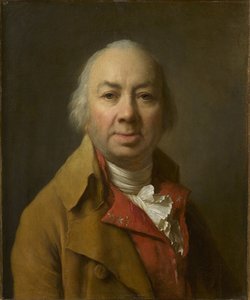
Жозеф Сиффред Дюплесси
1725 - 1802 , Франция
Основные сведения
- Artistic Movement Or Style: Рококо и неоклассицизм
- Artists Who Influenced This Artist:
- Жозеф Жан Имберт
- Пьер Сублейрас
- Date Of Birth: 22 сентября 1725 г.
- Date Of Death: 1 апреля 1802 г.
- Full Name: Joseph-Siffred Duplessis
- Nationality: Французский
- Notable Artworks:
- Бенджамин Франклин
- Людовик XVI
- Жак Нёкер
- Place Of Birth: Карпентрас, Франция
Похожие статьи

The Enduring Legacy of Oil on Canvas: Technique, History & Aesthetic Impact
Explore the rich history & techniques of oil painting – from Renaissance masters to Impressionism. Discover pigments, layering methods, and why this timeless medium endures. Expert insights for artists & art enthusiasts.

10 легендарных бронзовых скульптур, изменивших искусство навсегда | ArtsDot
Погрузитесь в мир великих бронзовых скульптур! От Давида Микеланджело до работ Родена – история искусства, техники и вдохновения. Купите репродукции шедевров для вашего интерьера на ArtsDot.com

The Enduring Form: Sculpture Across History, Technique & Emotional Resonance
Explore the rich history of sculpture with ArtsDot. Discover key techniques, influential artists & investment potential for discerning collectors. Expert insights into valuing and collecting timeless masterpieces.

The Enduring Form: Exploring Themes & Techniques in Sculpture Across Historical Periods
Explore the rich history of sculpture from ancient masterpieces to contemporary innovations. Discover key techniques, influential artists & investment potential for discerning art collectors.

10 легендарных бронзовых шедевров, изменивших искусство | ArtsDot
Погрузитесь в мир великих бронзовых шедевров! От Давида Донателло до Мыслителя Родена – узнайте историю создания, технику и значение легендарных скульптур. Вдохновение для интерьера и музейное качество репродукций на ArtsDot.com.