

 Предпросмотр
 Поделиться
 Поделиться
 Детали произведения

 Скачать
 Похожие работы
 Рентгенография
 Слайд-шоу
 Статистика
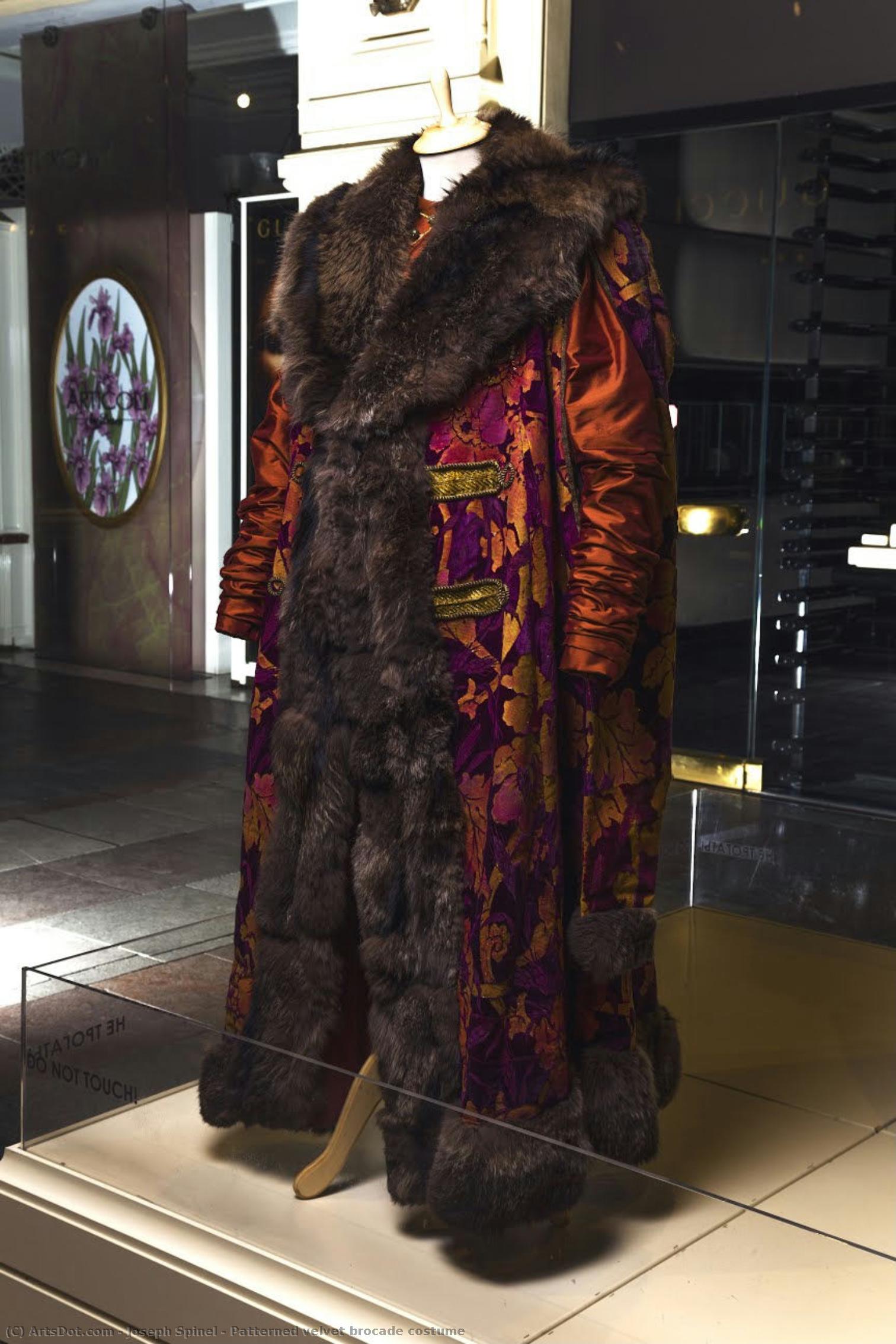
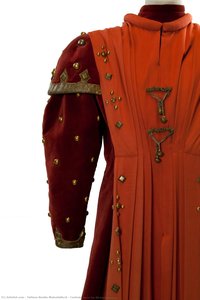
Patterned velvet brocade costume


 Читать далее
Масляная репродукция ручной работы
Картина маслом на холсте в выбранном вами размере и раме, написанная на заказ нашими художниками. ( Перейти к печати Перейти к цифровым изображениям)




































Выберите один из наших стандартных размеров, соответствующих оригинальным пропорциям произведения искусства.

Вы можете указать собственные размеры, чтобы картина идеально вписалась в выбранную раму или пространство. Если выбранный вами размер не соответствует пропорциям оригинала, мы либо обрежем полотно, либо расширим его за счет дополнительных элементов, написанных вручную. Цифровой макет будет отправлен вам на утверждение перед началом производства.
Обратите внимание, что предварительный просмотр на экране не отражает фактическую обрезку или расширение. Только макет точно покажет окончательную композицию.
Хотя доступны индивидуальные размеры, мы рекомендуем выбирать вариант из предопределенного списка, чтобы сохранить исходные пропорции.
После оформления заказа команда ArtsDot.com свяжется с клиентом по электронной почте для уточнения деталей и предоставит предварительный макет
Доставка по всему миру () за 3–4 недели вместо стандартных 5 недель. (12 Сентябрь). Без компромиссов в качестве.

Бесплатная экспресс-доставка по всему миру

Высококачественный льняной холст

Полное страхование доставки

Гарантия возмещения таможенных пошлин

Гарантия точного соответствия цветов

100-дневная политика возврата (только при обнаружении дефектов)

Гарантия возврата 100% средств

Предложение оптовых скидок
 Вариант со стеклом доступен только для размеров менее 110 см

Patterned velvet brocade costume
Техника репродукции
Размер репродукции
-


Итоговая стоимость
$ 263
Похожие произведения





Биография художника
Early Life and Education
Iossif Aronovich Shpinel (September 25, 1892 – July 2, 1980) was born in Bila Tsvirka, Ukraine—a humble beginning for a man who would become one of Soviet cinema’s most celebrated set designers and artists. Growing up amidst the hardships of Jewish life under Tsarist rule, he experienced firsthand the terror of pogroms – violent anti-Jewish riots that scarred Ukrainian history. Despite these challenges, Shpinel displayed exceptional talent from a young age, pursuing his passion for architecture alongside artistic endeavors. His formal education began at Kiev Imperial University where he studied architectural design, honing skills that would later prove invaluable in crafting immersive cinematic environments. Recognizing the importance of broader artistic training, he continued his studies at Vitebsk Art School (later Belarusian State University), further refining his understanding of visual arts and preparing him for a career dedicated to creative expression.Influence of Vladimir Favorsky and Constructivism
Shpinel’s artistic trajectory took a decisive turn when he enrolled in Vkhutemas (Higher Art and Technical Studios) in Moscow—a revolutionary institution that championed avant-garde ideals and challenged traditional academic conventions. Here, he encountered the mentorship of Vladimir Favorsky, a towering figure in Russian art who profoundly shaped Shpinel’s aesthetic sensibilities. Favorsky instilled in him a belief in the transformative power of art as a tool for social change, emphasizing geometric abstraction and structural principles—concepts that would become central to Shpinel’s artistic vision. The influence of Constructivism is palpable throughout his oeuvre, particularly evident in his early graphic designs which embraced bold colors, simplified forms, and deliberate asymmetry. These stylistic choices reflected the broader intellectual currents of the Soviet era, aligning him with a movement committed to reshaping visual culture for the betterment of society.Film Design Career: Eisenstein’s Vision
Shpinel’s professional life blossomed in collaboration with Sergei Eisenstein—a cinematic titan whose revolutionary filmmaking techniques captivated audiences worldwide. Their partnership yielded masterpieces like “Alexander Nevsky” (1938) and “Ivan the Terrible” (1944–6), films that cemented Shpinel’s reputation as a visionary set designer who could translate complex narratives into unforgettable visual experiences. Eisenstein recognized Shpinel's innate ability to capture the spirit of an era, skillfully blending historical accuracy with dramatic flair. He famously remarked about Shpinel: “A copy of Novgorod Cathedral was built in our workshop.” This anecdote encapsulates Shpinel’s dedication to meticulous craftsmanship and his unwavering commitment to realizing Eisenstein’s ambitious artistic vision—a testament to their symbiotic creative relationship.Illustrative Style and Symbolism
Shpinel's distinctive illustration style is characterized by a striking simplification of form, mirroring the principles of Constructivism. His artwork for “Youth, Go!” employs geometric shapes – circles, triangles, rectangles – to represent the human body, stripping away extraneous detail and emphasizing essential structural elements. This approach reflects Shpinel’s belief that art should communicate ideas effectively, prioritizing clarity and precision over decorative embellishment. The depiction of an axe alongside a hand symbolizes the fusion of labor and intellect—the “new socialist working class”—underscoring Shpinel's conviction that artistic expression could serve as a catalyst for social progress.Legacy and Recognition
Throughout his prolific career, Shpinel’s work garnered widespread acclaim and cemented his place among the foremost artists of Soviet cinema. He was honored with the State Prize in 1951 and elevated to Honored Artist of Russia in 1940—recognitions that acknowledged his enduring contribution to Russian culture. His influence extended beyond film design, shaping the aesthetic sensibilities of countless aspiring filmmakers and artists. Notably, Shpinel’s involvement in “Ivan the Terrible” earned him a place on Cahiers du Cinéma’s prestigious list of the 100 Greatest Films—a testament to his artistic genius and the enduring power of Eisenstein's cinematic masterpiece. His legacy continues to inspire admiration for its masterful blend of visual artistry and storytelling, securing Shpinel’s position as an icon of Soviet art history.
joseph spinel
1892 - 1980 , Ukraine
Основные сведения
- Artistic Movement Or Style: Suprematism, Constructivism
- Artists Or Movements Influenced By This Artist: ['Sergei Eisenstein']
- Artists Who Influenced This Artist: ['Vladimir Favorsky']
- Date Of Birth: September 25, 1892
- Date Of Death: July 2, 1980
- Full Name: Iossif Aronovich Spinel
- Nationality: Russian
- Notable Artworks:
- Gastev’s Ideas
- Youth, Go!
- Ivan the Terrible
- Place Of Birth: Bila Tsvirka, Ukraine