

 Предпросмотр
 Поделиться
 Поделиться
 Детали произведения

 Скачать
 Похожие работы
 Рентгенография
 Слайд-шоу
 Статистика
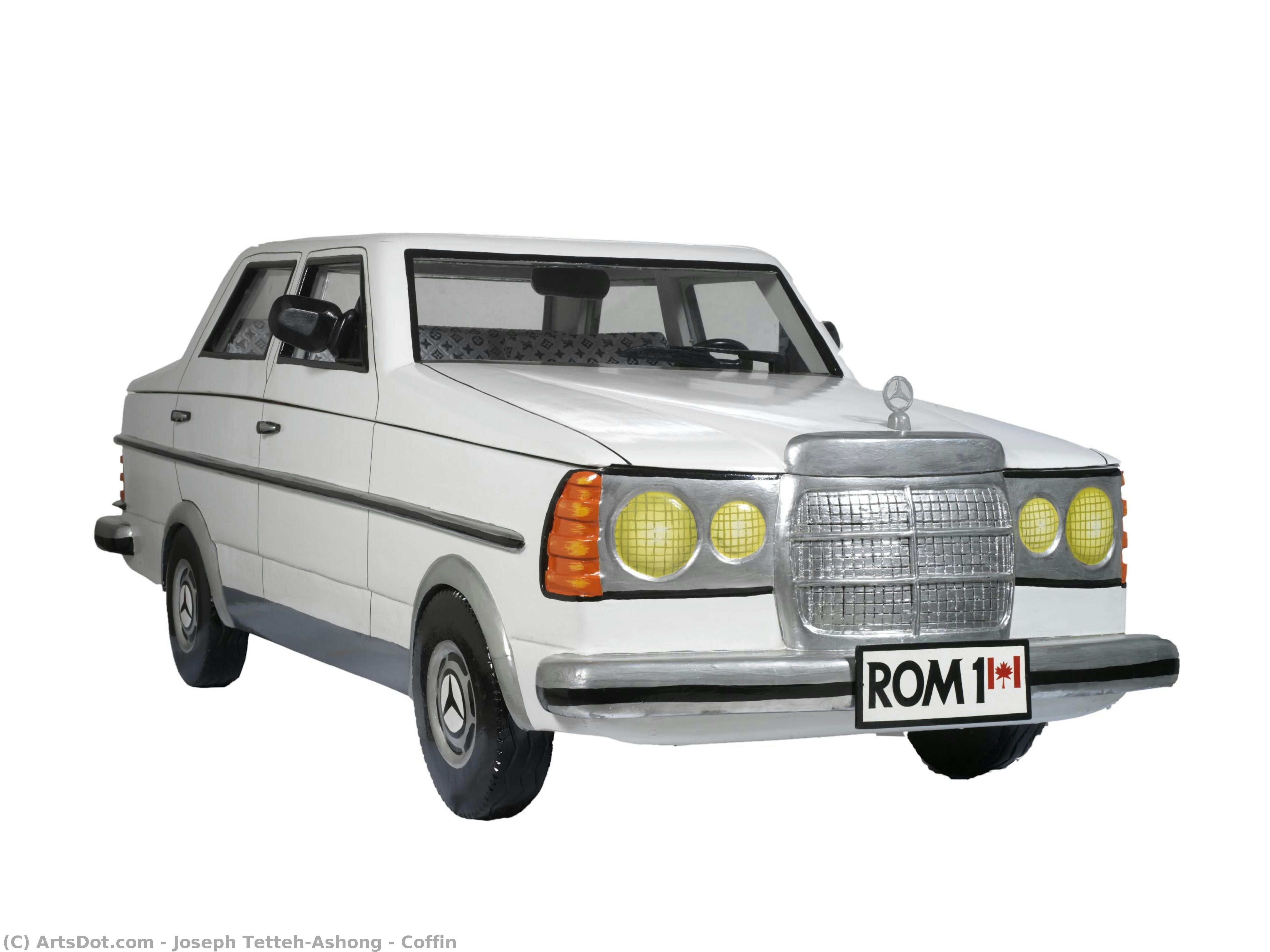
Coffin
 86.0 x 73.0 cm
 Читать далее
Масляная репродукция ручной работы
Картина маслом на холсте в выбранном вами размере и раме, написанная на заказ нашими художниками. ( Перейти к печати Перейти к цифровым изображениям)




































Выберите один из наших стандартных размеров, соответствующих оригинальным пропорциям произведения искусства.

Вы можете указать собственные размеры, чтобы картина идеально вписалась в выбранную раму или пространство. Если выбранный вами размер не соответствует пропорциям оригинала, мы либо обрежем полотно, либо расширим его за счет дополнительных элементов, написанных вручную. Цифровой макет будет отправлен вам на утверждение перед началом производства.
Обратите внимание, что предварительный просмотр на экране не отражает фактическую обрезку или расширение. Только макет точно покажет окончательную композицию.
Хотя доступны индивидуальные размеры, мы рекомендуем выбирать вариант из предопределенного списка, чтобы сохранить исходные пропорции.
После оформления заказа команда ArtsDot.com свяжется с клиентом по электронной почте для уточнения деталей и предоставит предварительный макет
Доставка по всему миру () за 3–4 недели вместо стандартных 5 недель. (11 Сентябрь). Без компромиссов в качестве.

Бесплатная экспресс-доставка по всему миру

Высококачественный льняной холст

Полное страхование доставки

Гарантия возмещения таможенных пошлин

Гарантия точного соответствия цветов

100-дневная политика возврата (только при обнаружении дефектов)

Гарантия возврата 100% средств

Предложение оптовых скидок
 Вариант со стеклом доступен только для размеров менее 110 см

Coffin
Техника репродукции
Размер репродукции
-


Итоговая стоимость
$ 263
Похожие произведения

Биография художника
A Legacy Carved in Wood: The Life and Art of Joseph Tetteh-Ashong (Paa Joe)
Joseph Tetteh-Ashong, known globally as Paa Joe, is more than just a sculptor; he’s a cultural historian translating the narratives of Ghana into breathtakingly imaginative forms. Born in Nungua, Ghana, in 1947, Paa Joe emerged from a lineage steeped in tradition, yet possessed an innate drive to push the boundaries of what Ghanaian coffin art could be. His journey began with a rigorous twelve-year apprenticeship under Kane Kwei at his workshop in Teshie – a foundational experience that instilled not only technical mastery but also a deep understanding of the symbolic weight embedded within each creation. These weren’t merely boxes for burial; they were *abebuu adekai*, “proverb boxes,” vessels designed to reflect the deceased's life, profession, and aspirations, ensuring a fitting passage into the afterlife. Paa Joe didn’t simply inherit this tradition; he revitalized it, infusing it with a vibrant personal vision that would soon capture international attention.From Tradition to Transcendence: The Evolution of a Unique Style
While deeply rooted in ancestral practices, Paa Joe's work quickly distinguished itself through its sheer audacity and playful complexity. Traditional Ghanaian coffins often represented animals – lions for royalty, fish for fishermen – but Paa Joe expanded this lexicon exponentially. He began crafting fantastical coffins shaped like airplanes for pilots, buses for travelers, and even colossal shoes for beloved shoemakers. This wasn’t mere novelty; it was a profound act of personalization, celebrating individual lives with unprecedented specificity. He masterfully employed vibrant colors and bold lines, drawing on the rich visual language of Ghanaian textiles and folklore. The process itself is remarkable – each coffin meticulously hand-carved from cedar wood, then painted with enamel paints that bring these extraordinary forms to life. Paa Joe’s skill lies not only in his carpentry but also in his ability to imbue each piece with a sense of movement, personality, and profound storytelling. He trained several apprentices—Daniel Mensah, Eric Kpakpo, and Kudjoe Affutu among them—who have themselves become celebrated artists, ensuring the continuation of this unique artistic heritage.International Recognition and Museum Collections
Paa Joe’s work first gained international recognition in 1989, marking a turning point in his career. His creations resonated with audiences worldwide, challenging conventional notions of art and craftsmanship. Major exhibitions followed in Europe, Japan, and the United States, introducing his vibrant sculptures to a global stage. Today, Paa Joe’s coffins are not confined to private collections; they grace the halls of prestigious institutions like the British Museum in London, the Brooklyn Museum in New York, the Royal Ontario Museum in Canada, and the Museum of Fine Arts, Boston, among many others. The inclusion of his work in these esteemed museums signifies a broader acknowledgement of African art’s profound cultural significance and its capacity to transcend geographical boundaries. His pieces are not simply displayed as ethnographic objects; they are celebrated as powerful works of contemporary sculpture, embodying both tradition and innovation.Symbolism and the Gates of No Return
The deeper meaning behind Paa Joe's work extends beyond individual commemoration. His more recent commissions, particularly those created in 2004 and 2005, address the harrowing history of the transatlantic slave trade. These large-scale sculptures depict architectural models of Gold Coast castles and forts – sites that served as holding pens for millions of Africans before their forced journey to the Americas and the Caribbean. These structures, now hauntingly recreated in wood, represent the “Gates of No Return,” a poignant reminder of the trauma and loss endured by those who were enslaved. Paa Joe’s artistry transforms these symbols of oppression into vessels carrying the spirits of the departed, offering a powerful commentary on memory, resilience, and the enduring legacy of slavery. The exhibition at the High Museum of Art in Atlanta further contextualizes this work, connecting it to global histories of slavery through archival documents, photographs, and interactive maps.A Vision for the Future: The Art Academy and Community Support
Paa Joe’s commitment extends beyond his own artistic practice; he is dedicated to nurturing the next generation of Ghanaian artists. He is currently building an art academy and gallery in Ghana, a space designed to support aspiring creatives and foster a thriving artistic community. This initiative reflects Paa Joe's belief in the transformative power of art and its ability to empower individuals and preserve cultural heritage. His legacy isn’t solely defined by the remarkable coffins he creates but also by his unwavering dedication to education, mentorship, and the continued celebration of Ghanaian artistry on a global scale. He continues to sculpt, innovate, and inspire, ensuring that the vibrant tradition of *abebuu adekai* will flourish for generations to come.
joseph tetteh-ashong
1947 - , Ghana
Основные сведения
- Artistic Movement Or Style: Figurative sculpture
- Artists Who Influenced This Artist: ['Kane Kwei']
- Date Of Birth: 1947
- Full Name: Joseph Tetteh-Ashong
- Nationality: Ghanaian
- Notable Artworks:
- Lion-Shaped Coffin
- Fantasy Coffins
- Place Of Birth: Nungua, Ghana