

 Предпросмотр
 Поделиться
 Поделиться
 Детали произведения

 Скачать
 Похожие работы
 Рентгенография
 Слайд-шоу
 Статистика
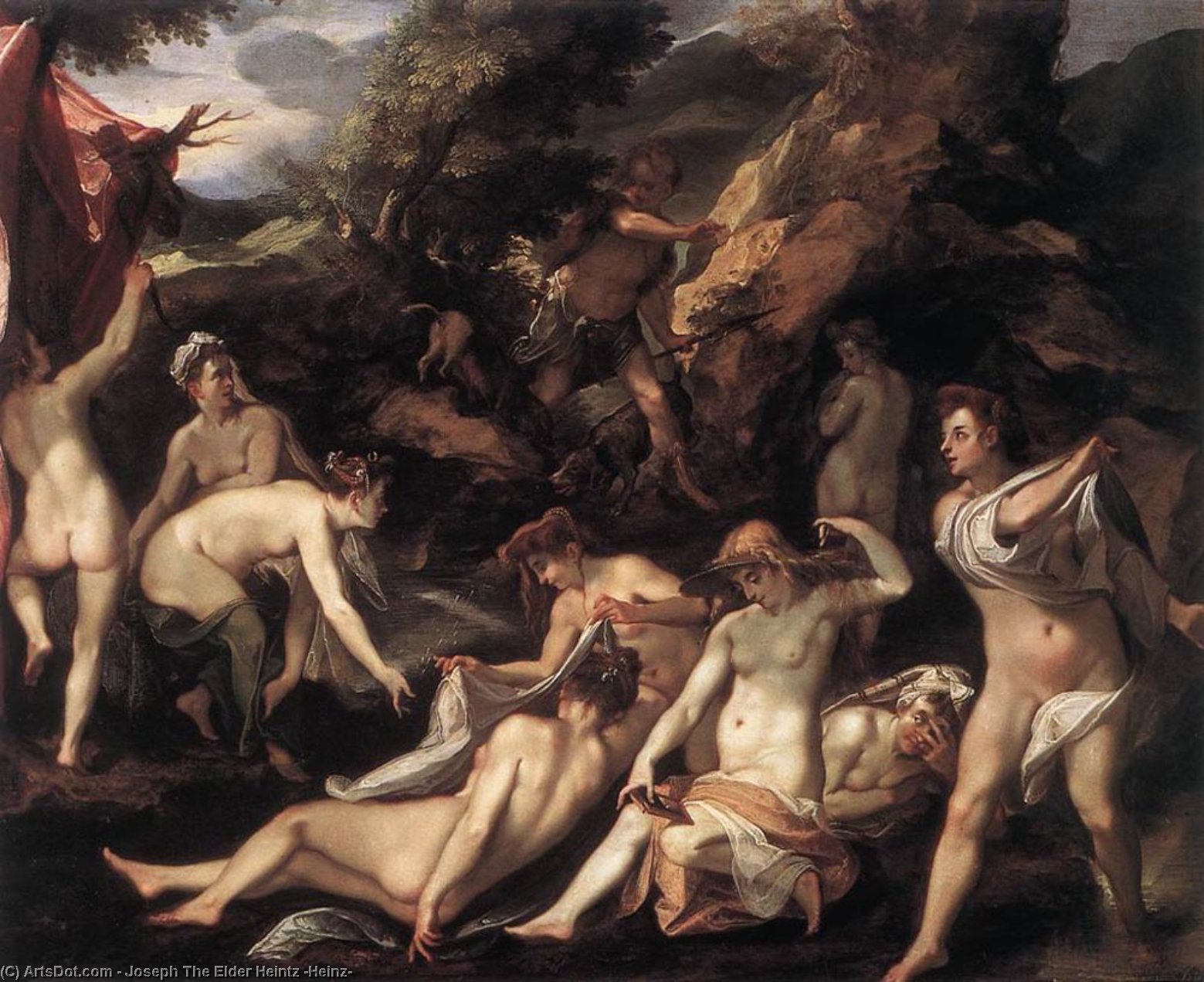
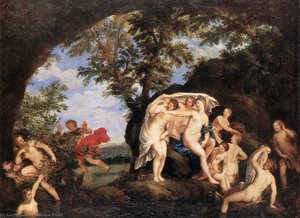
Diana and Actaeon
 Oil On Canvas
- WallArt
- Baroque
 1590
1590- Renaissance
 40.0 x 49.0 cm
 Музей истории искусств (Вена)
 Читать далее
Приобретите цифровое изображение высокого разрешения в улучшенном качестве, которое значительно превосходит онлайн-превью.
Каждый файл тщательно подготавливается нашими специалистами с использованием передовых инструментов и экспертной ручной ретуши. Мы гарантируем исключительную четкость, точную цветопередачу и детальную проработку каждого изображения.
Финальный файл доставляется по электронной почте в течение 72 часов и оптимизирован для немедленного использования в профессиональной среде, при верстке и печати. Это тот же уровень качества, которому доверяют ведущие дизайнерские студии, издательства и галереи.
Цифровое изображение
Скачайте файл высокого разрешения для личного использования, печати и творческих проектов. ( Перейти к печати Купить картину ручной работы)
Включено в каждый заказ цифровых изображений
Гарантия экспертной цифровой доставки
Выбирая ArtsDot.com, вы получаете не просто изображение — вы приобретаете профессионально обработанное цифровое произведение искусства, созданное с безупречной точностью и под защитой гарантии качества. Вот всё, что автоматически входит в ваш заказ:

Мгновенная доставка по e-mail
Ваш цифровой файл в высоком разрешении будет отправлен вам по электронной почте в течение 72 часов после оформления заказа — и сразу станет доступен для использования.

Цифровой файл с ИИ-улучшением
Ваше произведение искусства проходит профессиональную оптимизацию с использованием передовых инструментов ИИ и ручной обработки, что гарантирует максимальную детализацию, четкость и точность цветопередачи.

Бессрочная бесплатная повторная доставка
Случайно удалили или потеряли файл? Не беспокойтесь — мы отправим его вам повторно в любое время и совершенно бесплатно.

Без импортных пошлин — навсегда
Наслаждайтесь вашим произведением искусства мгновенно без таможенных пошлин, сборов или затрат на доставку — цифровые загрузки всегда не облагаются налогом.

Гарантия точности цветопередачи
Мы гарантируем, что ваше цифровое изображение максимально точно передает оригинальные цвета благодаря использованию профессиональных инструментов и систем управления цветом.

Гарантия удовлетворенности 100 дней
Если вы не будете удовлетворены своим цифровым изображением, мы внесем правки или вернем 100% стоимости в течение 100 дней — без лишних вопросов.

100% Гарантия возврата средств
Не удовлетворены покупкой? Получите полный возврат средств в течение 100 дней после получения цифрового файла — без лишних вопросов.

Скидки на оптовые заказы
Купите 3 изображения, сэкономьте 10% — Купите 5, сэкономьте 15% — Купите 10+, сэкономьте 20%. Отличное решение для творческих проектов, галерей и агентств.
A Moment Frozen in Mythic Grace
In the quiet, shimmering depths of Joseph Heintz’s “Diana and Actaeon,” painted around 1590, we are invited into a world where the boundaries between the mortal and the divine are perilously thin. This exquisite oil on canvas captures a pivotal, breathless moment from Ovid’s Metamorphoses: the instant when the hunter Actaeon inadvertently stumbles upon the goddess Diana and her nymphs during their ritual bath. The scene is not merely a depiction of a mythological event but an exploration of vulnerability and the sudden, sharp intrusion of reality into a sacred space. As the eye wanders through the lush landscape, one feels the palpable tension of a secret being revealed, a narrative steeped in the themes of innocence corrupted and the terrifying weight of divine retribution.
The composition is a masterclass in Mannerist elegance, a style that flourished during Heintz’s time in Basel and beyond. Moving away from the balanced perfection of the High Renaissance, Heintz embraces a more deliberate distortion of form to heighten the psychological drama. The figures possess an elongated, ethereal grace that seems almost otherworldly, pulling the viewer into a dreamlike state where every limb and gesture carries profound emotional weight. This stylistic choice serves to amplify the sense of unease; the beauty of the nymphs is juxtaposed against the looming threat of transformation, creating a visual language that is as unsettling as it is captivating.
The Alchemy of Light and Shadow
Technically, Heintz demonstrates an extraordinary command over the medium of oil painting. Through the meticulous application of layered glazing, he achieves a luminous quality that makes the water appear to ripple with life and the skin of the nymphs glow with a soft, inner light. This translucency is further enhanced by his masterful use of chiarosc_uro. The dramatic interplay between deep, velvety shadows and brilliant highlights sculpts the figures from the darkness, lending them a three-dimensional presence that commands the space. This technique does more than create depth; it builds an atmosphere of intimacy and secrecy, as if we are peering through the foliage into a private, sacred sanctuary.
For the discerning collector or interior designer, this piece offers much more than mere decoration. It is a profound conversation piece that brings a sense of historical depth and intellectual rigor to any setting. The painting’s ability to evoke both tranquility and tension makes it a versatile cornerstone for a curated collection. Whether placed in a grand hall or a quiet study, "Diana and Actaeon" serves as a window into the humanist spirit of the late 16th century—a period that sought to reconcile the beauty of classical antiquity with the complex emotional landscapes of the modern soul. To possess a reproduction of this work is to invite the timeless allure of myth and the sophisticated mastery of the Renaissance into one's personal environment.
Похожие произведения
Биография художника
Michelangelo Buonarroti: A Titan of the Renaissance
Michelangelo, a name synonymous with artistic genius, remains one of the most profoundly influential figures in Western art history. Born March 6th, 1475, in Caprese, Italy – a small village near Florence – his life was a relentless pursuit of perfection across sculpture, painting, architecture, and poetry. He wasn’t merely an artist; he was a sculptor first and foremost, viewing the other disciplines as extensions of his core craft. His legacy isn't simply defined by individual masterpieces but by the revolutionary techniques and emotional depth he brought to his art, forever altering the course of artistic expression.Early Life and Artistic Training
Michelangelo’s early years were marked by a restless spirit and a clear divergence from traditional family expectations. Unlike many young men destined for mercantile pursuits, Michelangelo displayed an unwavering fascination with stone and form. His father, Leonardo di Buonarrota Simoni, recognizing his son's artistic inclinations, apprenticed him at the age of thirteen to Domenico Ghirlandaio, a prominent Florentine painter. This initial training provided a crucial foundation in fresco technique and observation of the natural world – skills that would later inform his monumental works. However, it was Lorenzo de’ Medici, the powerful ruler of Florence, who truly shaped Michelangelo's early development. The Medici family’s patronage afforded him access to the finest sculptors and artists of the time, including Bertoldo di Giovanni, exposing him to classical ideals and fostering a deep appreciation for human anatomy and form. Crucially, he spent years studying the tombs of Roman emperors in the Medici’s private collection, absorbing the grandeur and emotional power of ancient sculpture – an influence that would profoundly impact his own work.Sculptural Masterpieces: David and Pieta
Michelangelo's sculptural achievements are arguably his most enduring legacy. The creation of *David* (1501-1504) in Florence stands as a testament to the artist’s mastery of human anatomy and psychological depth. Carved from a single block of marble, the statue embodies youthful strength, poised determination, and an almost palpable sense of anticipation before battle. It wasn't simply a depiction of a biblical hero; it was a celebration of human potential and civic virtue – a powerful symbol of Florence’s republican ideals. Equally iconic is the *Pieta* (1498-1499), commissioned for St. Peter’s Basilica in Rome. This deeply moving sculpture portrays Mary cradling the body of Christ, demonstrating an unparalleled ability to convey grief, tenderness, and spiritual serenity. The sheer realism of the figures, combined with the delicate handling of marble, created a work that continues to evoke profound emotional responses centuries later.The Sistine Chapel Ceiling: A Divine Vision
Perhaps Michelangelo’s most ambitious undertaking was the fresco painting on the ceiling of the Sistine Chapel in Vatican City (1508-1512). Pope Julius II initially commissioned a monumental equestrian statue, but Michelangelo, struggling with the project and seeking artistic freedom, shifted his focus to the chapel's ceiling. The resulting frescoes are a breathtaking spectacle of biblical narrative – scenes from Genesis, including *The Creation of Adam*, which has become one of the most reproduced images in art history. The sheer scale of the undertaking, combined with Michelangelo’s innovative use of color and dynamic composition, pushed the boundaries of fresco painting and established him as the foremost painter of his time. Working on his back for years, often in uncomfortable positions, he poured his entire being into this monumental work, a testament to his dedication and artistic vision.Architectural Contributions and Legacy
While celebrated primarily as a sculptor and painter, Michelangelo’s architectural contributions were equally significant. He designed the dome of St. Peter's Basilica in Rome, a feat of engineering and artistry that dramatically transformed the skyline of the city. He also oversaw the design of the Piazza del Campidoglio in Rome, a masterpiece of urban planning that exemplifies Renaissance ideals of harmony and proportion. Beyond his specific projects, Michelangelo’s influence extended far beyond his lifetime. His emphasis on anatomical accuracy, emotional intensity, and dramatic composition profoundly impacted subsequent generations of artists – from Raphael to Bernini. He remains an enduring symbol of artistic genius, a testament to the transformative power of human creativity, and a cornerstone of Western art history. His works continue to inspire awe and wonder, reminding us of the profound beauty and complexity that can be achieved through dedicated artistry.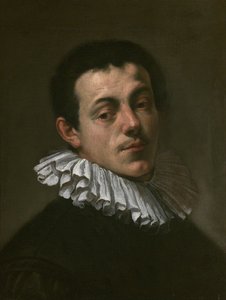
joseph the elder heintz (heinz)
1564 - 1609 , Switzerland
Основные сведения
- Artistic Movement Or Style: Renaissance, Mannerism, Early Renaissance
- Artists Or Movements Influenced By This Artist:
- Raphael
- Bernini
- Artists Who Influenced This Artist:
- Donatello
- Leonardo da Vinci
- Date Of Birth: March 6, 1475
- Date Of Death: February 18, 1564
- Full Name: Michelangelo di Lodovico Buonarroti Simoni
- Nationality: Italian
- Notable Artworks:
- David
- Pieta
- Sistine Chapel ceiling
- Last Judgment
- Place Of Birth: Caprese, Italy