


 Предпросмотр
 Поделиться
 Поделиться
 Детали произведения

 Скачать
 Похожие работы
 Рентгенография
 Слайд-шоу
 Статистика
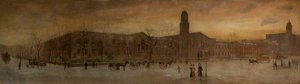
White Linen Hall, 1896
 1908
1908 72.0 x 252.0 cm
 Ulster Hall
 Читать далее
Масляная репродукция ручной работы
Картина маслом на холсте в выбранном вами размере и раме, написанная на заказ нашими художниками. ( Перейти к печати Перейти к цифровым изображениям)
































Выберите один из наших стандартных размеров, соответствующих оригинальным пропорциям произведения искусства.

Вы можете указать собственные размеры, чтобы картина идеально вписалась в выбранную раму или пространство. Если выбранный вами размер не соответствует пропорциям оригинала, мы либо обрежем полотно, либо расширим его за счет дополнительных элементов, написанных вручную. Цифровой макет будет отправлен вам на утверждение перед началом производства.
Обратите внимание, что предварительный просмотр на экране не отражает фактическую обрезку или расширение. Только макет точно покажет окончательную композицию.
Хотя доступны индивидуальные размеры, мы рекомендуем выбирать вариант из предопределенного списка, чтобы сохранить исходные пропорции.
После оформления заказа команда ArtsDot.com свяжется с клиентом по электронной почте для уточнения деталей и предоставит предварительный макет
Доставка по всему миру () за 3–4 недели вместо стандартных 5 недель. (14 Сентябрь). Без компромиссов в качестве.

Бесплатная экспресс-доставка по всему миру

Высококачественный льняной холст

Полное страхование доставки

Гарантия возмещения таможенных пошлин

Гарантия точного соответствия цветов

100-дневная политика возврата (только при обнаружении дефектов)

Гарантия возврата 100% средств

Предложение оптовых скидок
 Вариант со стеклом доступен только для размеров менее 110 см

White Linen Hall, 1896
Техника репродукции
Размер репродукции
-


Итоговая стоимость
$ 263
The Painting's Composition
The painting depicts a rainy day in Belfast, with individuals walking along the streets, seeking shelter under umbrellas or awnings. The cloudy sky adds to the gloomy atmosphere, while the various modes of transportation, including horse-drawn carriages and bicycles, create a sense of movement and energy. The Ulster Hall, where the painting is currently located, provides a fitting backdrop for this urban landscape. Key Features of the painting include:- The use of muted colors to convey the rainy atmosphere
- The attention to detail in the depiction of the city's architecture
- The sense of movement and energy created by the various modes of transportation
Artist and Museum Information
Joseph W Carey was a talented artist known for his paintings of Belfast's cityscapes. The Ulster Hall, where the painting is housed, is a historic building that has served as a cultural venue for over 150 years. For more information on the artist and his works, visit Joseph W Carey: White Linen Hall, 1896 or explore other paintings by the artist, such as Belfast from Turf Lodge, 1830.The White Linen Hall, 1896 is a captivating piece that showcases the artist's skill in capturing the essence of daily life in Belfast. With its stunning composition and attention to detail, this painting is a must-see for art enthusiasts and those interested in the city's history. Visit The Museum Ulster Hall (Belfast, United Kingdom) to learn more about the museum and its collection.
Похожие произведения










Биография художника
Joseph William Carey: A Northern Irish Painter of the Ulster Landscape
Born in Belfast in 1859, Joseph William Carey’s artistic journey was deeply intertwined with his upbringing and the evolving cultural landscape of late Victorian and Edwardian Ireland. The son of a Moravian minister, Reverend J.W. Carey, he initially received training as an illustrator within the established firm of Marcus Ward & Co., a prestigious institution that shaped many young artists of the era. However, it was the shift in the firm’s fortunes – its eventual failure in 1899 – that propelled Carey towards establishing his own independent practice and ultimately defined his artistic trajectory. This pivotal moment marked a deliberate departure from commercial illustration and a commitment to pursuing a more personal and expressive style, one deeply rooted in the landscapes of his native Ulster.
Carey’s early influences were diverse, drawing upon both traditional academic training and the burgeoning movements of Impressionism and Romanticism. His time with Marcus Ward exposed him to a wide range of subjects and techniques, while his family's religious background instilled within him a profound appreciation for the natural world and its spiritual significance. The influence of E.W. Pugin, a key figure in the Arts and Crafts movement, is particularly evident in Carey’s later works, evidenced by the meticulous detail and evocative use of color that characterize many of his landscapes. Furthermore, the vibrant artistic community of Belfast, with its active sketching clubs and art societies, provided a fertile ground for experimentation and collaboration.
The Ulster Hall Commissions: A Defining Period
Perhaps the most significant chapter in Carey’s career unfolded during 1903 when he was commissioned by Belfast Corporation to create thirteen scenes depicting key moments in the city's history. These monumental canvases, now housed within the Ulster Hall, represent a culmination of his artistic skills and a testament to his ability to capture both the grandeur and the everyday realities of urban life. The project demanded a sophisticated understanding of composition, perspective, and historical accuracy – skills honed during his earlier illustration work – but also required Carey to imbue each scene with a sense of narrative and emotional resonance. The restoration efforts undertaken in 1989 and 2009 ensured that these remarkable works would continue to inspire and educate generations to come.
Beyond the Ulster Hall commissions, Carey’s artistic output encompassed a diverse range of subjects, including coastal scenes, rural landscapes, and portraits. His depictions of the Mourne Mountains, with their dramatic peaks and sweeping vistas, are particularly celebrated for their atmospheric quality and sense of scale. He possessed a keen eye for detail, meticulously rendering the textures of stone, water, and foliage, while simultaneously conveying the subtle shifts in light and color that define the Ulster landscape. His work reflects not only an appreciation for beauty but also a deep connection to the land and its people.
Technique and Style
Carey’s artistic style is characterized by a meticulous attention to detail, informed by his training as an illustrator and his admiration for the works of Pugin. He employed a rich palette of colors, often utilizing muted tones to create a sense of atmospheric depth and realism. His brushwork was generally smooth and controlled, yet capable of conveying subtle variations in texture and light. Carey’s landscapes are not merely representations of physical space; they are imbued with a sense of mood and emotion, reflecting the changing seasons and the rhythms of rural life. The influence of Impressionism is evident in his use of broken color and his focus on capturing fleeting moments of light and atmosphere.
Legacy and Recognition
Joseph William Carey’s contribution to Irish art is significant, both for his technical skill and his ability to capture the essence of the Ulster landscape. His work has been exhibited at numerous galleries and museums throughout Ireland and beyond, and it continues to be appreciated by collectors and enthusiasts alike. He was elected an Academician of the Ulster Academy of Arts in 1930, a testament to his standing within the artistic community. Carey’s legacy extends beyond his individual works; he played a vital role in fostering a vibrant artistic culture in Belfast during a period of significant social and political change. His paintings serve as enduring reminders of the beauty and resilience of the Ulster landscape and its people.
Notable Works
- Ancient Ford at Lagan and Farset (1908) – A quintessential example of Carey’s skill in capturing atmospheric depth and depicting rural labor.
- Origin of Shipbuilding in Belfast (1903) – One of the Ulster Hall commissions, showcasing his ability to render historical scenes with detail and accuracy.
- Red Bay, County Antrim (c. 1895-1900) - A dramatic depiction of the coastline, demonstrating Carey’s mastery of light and color.
joseph w carey
1859 - 1937
Основные сведения
- Artistic Movement Or Style: Watercolor painting
- Artists Or Movements Influenced By This Artist: ['Royal Hibernian Academy']
- Artists Who Influenced This Artist:
- Marcus Ward & Co.
- Hugh Thomson
- Date Of Birth: 1859
- Date Of Death: 1937
- Full Name: Joseph William Carey
- Nationality: Irish
- Notable Artworks:
- Ancient Ford at Lagan
- Fairhead, County Antrim
- Carrickfergus Castle
- Place Of Birth: Belfast, Northern Ireland