

 Предпросмотр
 Поделиться
 Поделиться
 Детали произведения

 Скачать
 Похожие работы
 Рентгенография
 Слайд-шоу
 Статистика
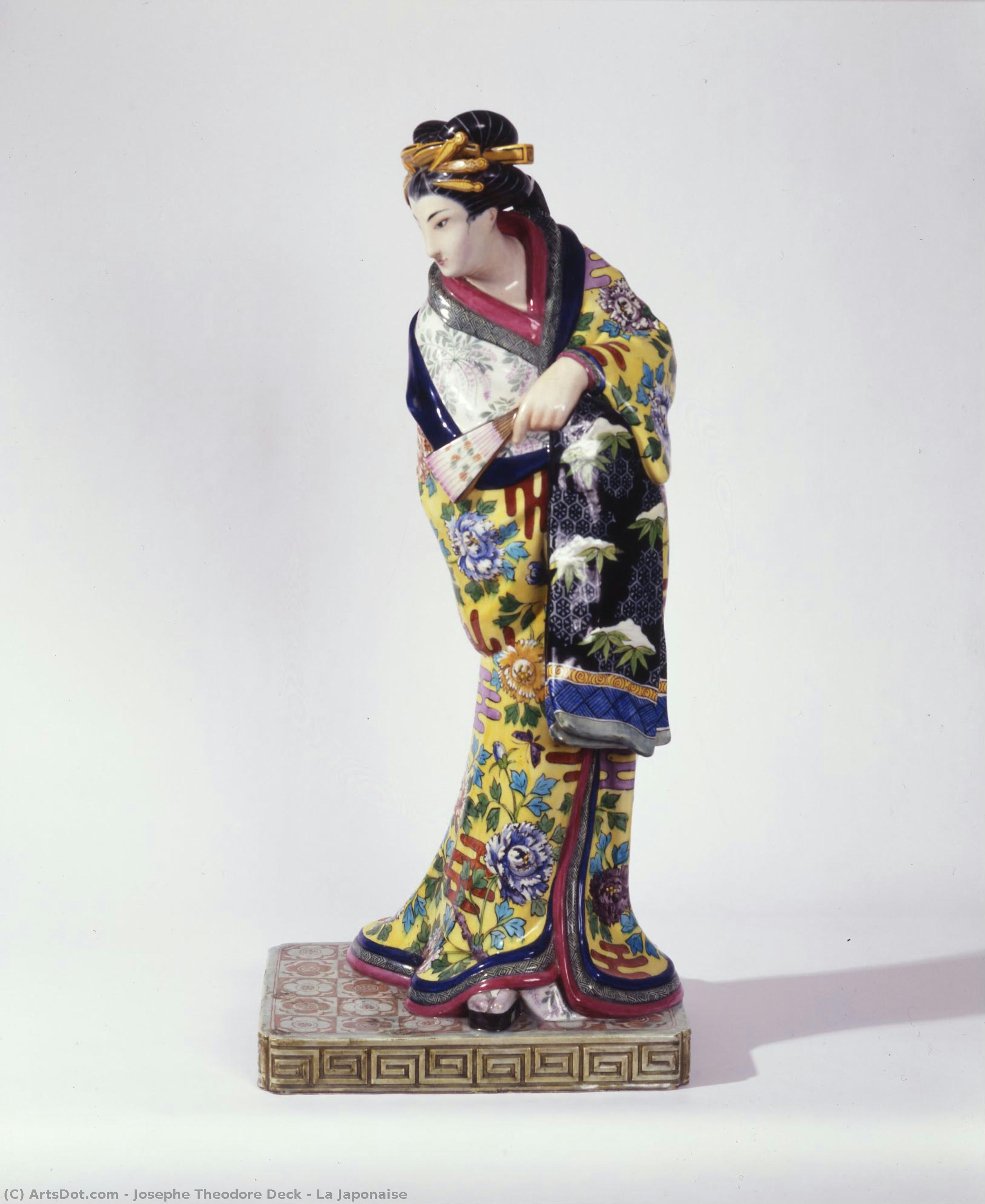
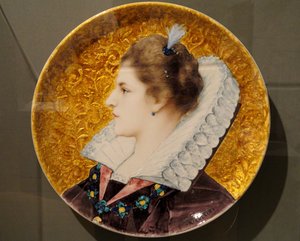
La Japonaise
 1876
1876 79.0 x 31.0 cm
 Zimmerli Art Museum at Rutgers University
 Читать далее
Жикле / Арт-принт
Печать (жикле) или холст музейного качества с быстрыми сроками изготовления и широким выбором вариантов отделки. ( Купить картину ручной работы Перейти к цифровым изображениям)




































Выберите один из наших стандартных размеров, соответствующих оригинальным пропорциям произведения искусства.

Вы можете указать свои собственные размеры, чтобы репродукция идеально подошла под конкретную раму или пространство. Если выбранный вами размер не будет соответствовать пропорциям оригинала, мы либо обрежем произведение, либо дополним изображение зеркальным отражением краев или однотонной заливкой. Перед началом производства вам будет отправлен цифровой макет для утверждения.
Пожалуйста, обратите внимание, что предварительный просмотр на экране не отображает фактическую обрезку или расширение изображения. Только макет точно покажет финальную композицию.
Несмотря на возможность заказа индивидуальных размеров, мы рекомендуем выбирать размер из предопределенного списка, чтобы сохранить оригинальные пропорции.
Доставка по всему миру () за 2 недели вместо стандартных 4/5 недель. (11 Сентябрь)

Бесплатная экспресс-доставка по всему миру

Высококачественный льняной холст

Полное страхование доставки

Гарантия возмещения таможенных пошлин

Гарантия точного соответствия цветов

100-дневная политика возврата (только при обнаружении дефектов)

Гарантия возврата 100% средств

Предложение оптовых скидок
 Вариант со стеклом доступен только для размеров менее 110 см

La Japonaise
Жикле / Арт-принт
Размер репродукции
-


Итоговая стоимость
$ 62
Похожие произведения



![[indian Woman And Child] — Чарльз Марион Расселл, Folk Art](/media/artworks/images-thumb/f7/b5/f7b5e9cfd7a06e70bccf9f5bda620235.jpg)

Биография художника
The Alchemist of Glaze: The Life and Legacy of Joseph Théodore Deck
In the vibrant, transformative landscape of nineteenth-century French decorative arts, few names resonate with as much technical brilliance and aesthetic daring as Joseph Théodore Deck. Born in 1823 in the picturesque town of Guebwiller, Alsace, Deck’s journey was one of profound metamorphosis—from a young apprentice navigating the hardships of early loss to a master craftsman who would redefine the very boundaries of ceramic expression. His life was not merely a pursuit of craft, but an obsessive quest to breathe life into clay, turning utilitarian earthenware into luminous, ethereal objects of desire that bridged the gap between Eastern tradition and Western innovation.
The foundations of his mastery were laid in the fires of apprenticeship. Following the untimely death of his parents, a young Deck was thrust into the world of ceramics, learning the intricate secrets of glazing and enamel decoration under the guidance of Victor-to-Joseph Hugelin, a stove builder in Strasbourg. This early exposure to the rugged, functional art of tilework for cast iron stoves provided him with a structural understanding of heat and mineral interaction. As he traveled through the great ceramic hubs of Central Europe—visiting Budapest, Prague, Berlin, and Vienna—he absorbed the diverse vocabularies of master ceramicists, a nomadic education that would later allow him to synthesize a truly international style.
A Symphony of Japonisme and Orientalism
When Deck arrived in Paris, he entered a cultural epicenter hungry for the exotic. The mid-nineteenth century was defined by Japonisme, a feverish fascination with the aesthetics of Japan following its opening to global trade. While many artists merely mimicked Japanese motifs, Deck possessed the rare ability to internalize their soul. He embraced the principles of asymmetry, the delicate balance of negative space, and the subtle gradations of color that characterized Japanese masterpieces. Yet, his vision was not limited to the East; he was equally captivated by the intricate patterns of Islamic art.
His studies at the Musée de Cluny allowed him to immerse himself in the splendor of Iznik ceramics from the Ottoman Empire. He became enamored with the vibrant blues and floral motifs of Turkish pottery, yet, in a stroke of true genius, he refused to be a mere copyist. Instead, he adapted these ancient inspirations, creating his own symmetrical reinterpretations that felt both timeless and modern. This fusion of Japanese restraint and Persian opulence gave rise to what many collectors now recognize as the quintessential "Deck style"—a breathtaking dialogue between different worlds rendered in porcelain and earthenware.
The Mastery of Cuera Seca and Technical Innovation
What truly set Deck apart from his contemporaries was his role as a scientific pioneer within the studio. He did not just paint on clay; he manipulated light itself through complex chemical processes. His most celebrated achievement was the development of cuera seca, a sophisticated multi-layered glazing technique that allowed for extraordinary textural depth and a shimmering, translucent finish. Through this method, he could achieve colors that seemed to glow from within the ceramic body, creating surfaces that possessed a liquid, almost holographic quality.
One of his most legendary breakthroughs was the discovery of le bleu de Deck in 1859—an electric, vibrant majolica blue glaze that became a hallmark of his workshop. This innovation, alongside his mastery of underglaze and enamel polychrome decoration, allowed him to produce works that were as much about the chemistry of light as they were about form. His workshop, established in 1856 as Faïences d’Art Théodore Deck, became a laboratory of beauty where he could experiment with the boundaries of what glaze could achieve, influencing major English potteries like Minton and leaving an indelible mark on the history of European art pottery.
A Lasting Impression on the Ceramic World
The historical significance of Joseph Théodore Deck lies in his ability to "de-industrialize" the potter's art. In an era where mass production was beginning to dominate, Deck championed a return to the artisanal, treating each piece as a singular canvas for painterly expression. His work stands as a bridge between the rigid traditions of the past and the fluid, experimental spirit of the modern age. Today, his pieces are cherished in the world's most prestigious institutions, including the British Museum and the Metropolitan Museum of Art, serving as enduring testaments to a man who saw the infinite possibilities hidden within a simple mound of earth.
josephe theodore deck
1823 - 1891 , France
Основные сведения
- Artistic Movement Or Style: Japonisme
- Artists Or Movements Influenced By This Artist: ['Sèvres porcelain']
- Artists Who Influenced This Artist:
- Jean Carriès
- Ernest Chaplet
- Date Of Birth: 1823
- Date Of Death: 1891
- Full Name: Joseph Théodore Deck
- Nationality: French
- Notable Artworks:
- Charger
- La Japonaise
- Place Of Birth: Guebwiller, France