

 Предпросмотр
 Поделиться
 Поделиться
 Детали произведения

 Скачать
 Похожие работы
 Рентгенография
 Слайд-шоу
 Статистика
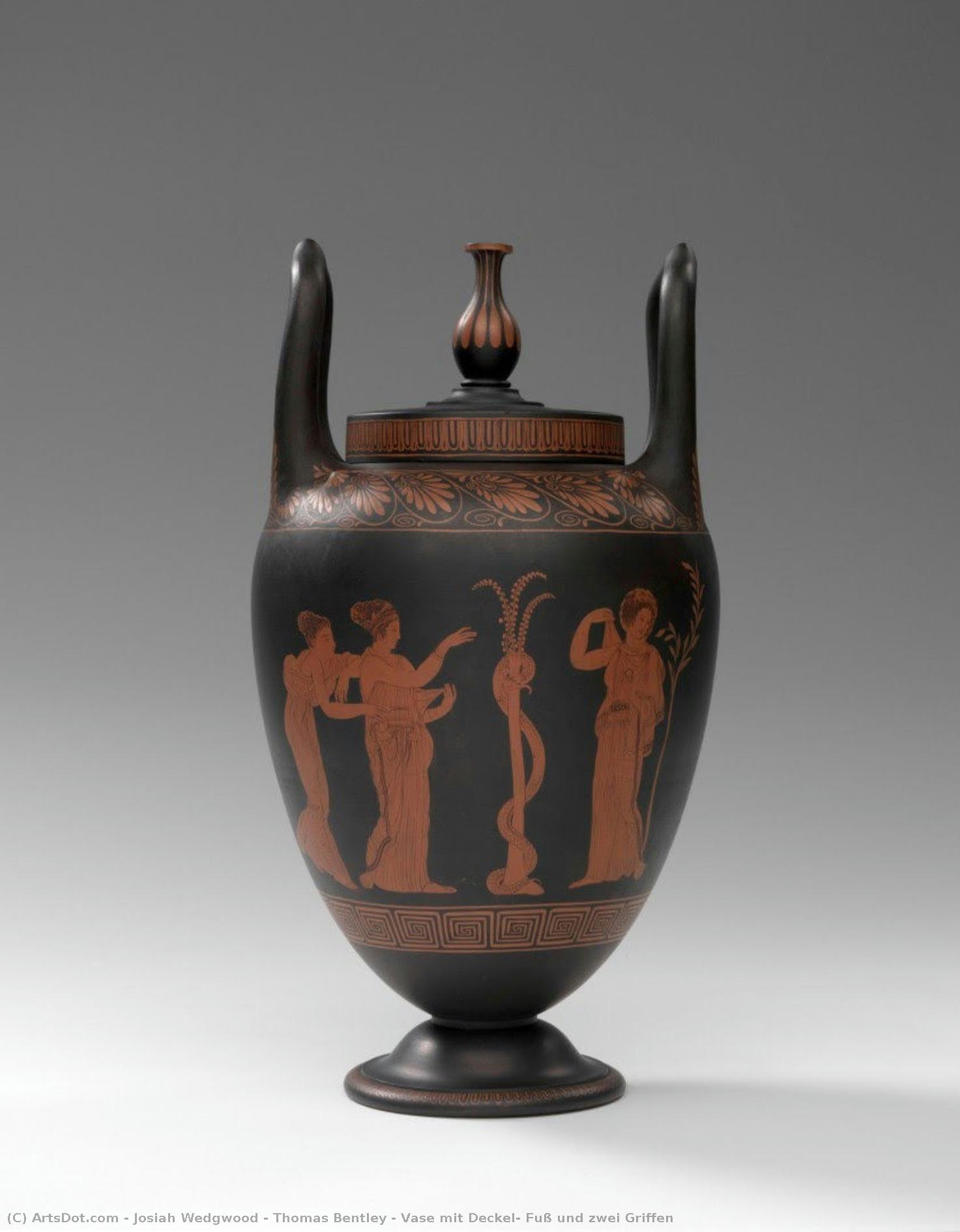
Vase mit Deckel, Fuß und zwei Griffen

 Читать далее
Приобретите цифровое изображение высокого разрешения в улучшенном качестве, которое значительно превосходит онлайн-превью.
Каждый файл тщательно подготавливается нашими специалистами с использованием передовых инструментов и экспертной ручной ретуши. Мы гарантируем исключительную четкость, точную цветопередачу и детальную проработку каждого изображения.
Финальный файл доставляется по электронной почте в течение 72 часов и оптимизирован для немедленного использования в профессиональной среде, при верстке и печати. Это тот же уровень качества, которому доверяют ведущие дизайнерские студии, издательства и галереи.
Цифровое изображение
Скачайте файл высокого разрешения для личного использования, печати и творческих проектов. ( Перейти к печати Купить картину ручной работы)
Включено в каждый заказ цифровых изображений
Гарантия экспертной цифровой доставки
Выбирая ArtsDot.com, вы получаете не просто изображение — вы приобретаете профессионально обработанное цифровое произведение искусства, созданное с безупречной точностью и под защитой гарантии качества. Вот всё, что автоматически входит в ваш заказ:

Мгновенная доставка по e-mail
Ваш цифровой файл в высоком разрешении будет отправлен вам по электронной почте в течение 72 часов после оформления заказа — и сразу станет доступен для использования.

Цифровой файл с ИИ-улучшением
Ваше произведение искусства проходит профессиональную оптимизацию с использованием передовых инструментов ИИ и ручной обработки, что гарантирует максимальную детализацию, четкость и точность цветопередачи.

Бессрочная бесплатная повторная доставка
Случайно удалили или потеряли файл? Не беспокойтесь — мы отправим его вам повторно в любое время и совершенно бесплатно.

Без импортных пошлин — навсегда
Наслаждайтесь вашим произведением искусства мгновенно без таможенных пошлин, сборов или затрат на доставку — цифровые загрузки всегда не облагаются налогом.

Гарантия точности цветопередачи
Мы гарантируем, что ваше цифровое изображение максимально точно передает оригинальные цвета благодаря использованию профессиональных инструментов и систем управления цветом.

Гарантия удовлетворенности 100 дней
Если вы не будете удовлетворены своим цифровым изображением, мы внесем правки или вернем 100% стоимости в течение 100 дней — без лишних вопросов.

100% Гарантия возврата средств
Не удовлетворены покупкой? Получите полный возврат средств в течение 100 дней после получения цифрового файла — без лишних вопросов.

Скидки на оптовые заказы
Купите 3 изображения, сэкономьте 10% — Купите 5, сэкономьте 15% — Купите 10+, сэкономьте 20%. Отличное решение для творческих проектов, галерей и агентств.
Похожие произведения







Биография художника
The Genesis of a Ceramic Revolution: Josiah Wedgwood & Thomas Bentley
Josiah Wedgwood and Thomas Bentley’s partnership, formally established in 1769 at Etruria near Stoke-on-Trent, England, represents far more than just the creation of a successful pottery company. It embodies a pivotal moment in British industrial history – a convergence of artistic vision, scientific innovation, and entrepreneurial drive that fundamentally reshaped the world of ceramics. Born into a family steeped in generations of pottery craftsmanship, Josiah Wedgwood inherited not only a legacy but also an inherent curiosity and a desire to elevate his craft beyond traditional methods. His early life, marked by a debilitating leg infection that curtailed his physical abilities, ironically fueled this ambition, pushing him towards meticulous design, experimentation, and the systematic pursuit of perfection. Bentley, a shrewd Liverpool merchant, provided the crucial commercial acumen necessary to transform Wedgwood’s artistic ideas into a thriving enterprise. Together, they established a factory at Etruria, a deliberate choice reflecting their commitment to innovation and a desire to control every aspect of the production process – from clay preparation to firing techniques. This collaborative spirit laid the foundation for what would become one of the most influential pottery companies in history.The Art of Jasperware: A Symphony of Color and Form
Wedgwood’s most enduring legacy lies undoubtedly in his development of ‘Jasperware,’ a technique that revolutionized the world of ceramics. Unlike traditional earthenware, which relied heavily on glaze to achieve color, Wedgwood pioneered a method of incorporating metallic oxides – cobalt for blue, malachite for green, and so on – directly into the clay body itself. This allowed for incredibly vibrant, enduring colors that resisted fading and chipping, creating a visual richness previously unattainable. The process was further enhanced by the addition of carefully molded reliefs, often depicting classical motifs or scenes from mythology, which added layers of symbolic meaning to each piece. These reliefs were typically executed in white, contrasting dramatically with the colored clay beneath – a technique that became synonymous with Wedgwood’s brand. The creation of Jasperware wasn't simply about aesthetics; it was rooted in rigorous scientific experimentation. Wedgwood meticulously documented his process, creating an extensive “experiment book” filled with observations, formulas, and detailed records of each step involved. This dedication to understanding the properties of materials – from clay composition to firing temperatures – set him apart as a true innovator. The influence of John Flaxman, a neoclassical sculptor, is particularly evident in the design of many Jasperware reliefs, demonstrating a deliberate fusion of artistic styles.From Creamware to Black Basalt: Expanding Horizons
While Jasperware remains Wedgwood’s most celebrated achievement, his contributions extended far beyond this singular technique. Early on, he perfected ‘Queen's Ware,’ a creamy white earthenware that quickly gained popularity among the aristocracy and became a benchmark for quality in domestic ceramics. This success was partly due to its elegant simplicity and durability – qualities highly valued by discerning consumers. Wedgwood didn’t rest on his laurels, however. He continued to explore new materials and firing methods, resulting in the development of ‘black basalt,’ a dense, matte-finished stoneware that offered a stark contrast to the delicate beauty of Jasperware. Furthermore, he pioneered the use of transfer printing – a method of reproducing images onto ceramics using stencils and multiple layers of paint – dramatically reducing production costs and allowing for more intricate designs. These innovations weren’t merely technical advancements; they reflected Wedgwood's broader vision of creating affordable luxury accessible to a wider audience.A Socially Conscious Entrepreneur: Abolitionism and Civic Engagement
Beyond his artistic and industrial achievements, Josiah Wedgwood was a surprisingly progressive figure for his time. He became a vocal advocate for the abolition of slavery, driven by deeply held moral convictions. His commitment culminated in the creation of the ‘Am I Not a Man and a Brother?’ medallion in 1788 – a powerful image depicting a black man and a white man clasped together, symbolizing equality and human dignity. The medallion was widely distributed and played a significant role in raising awareness about the horrors of slavery. Wedgwood also recognized the importance of infrastructure for his industry and actively lobbied for improvements to canals and roads, ensuring efficient transportation of raw materials and finished goods. He established a company village at Etruria, providing housing and amenities for his workers – a radical concept for the era that prioritized social welfare alongside economic success. This blend of entrepreneurial ambition and social responsibility cemented Wedgwood’s reputation as a complex and multifaceted figure.Legacy and Enduring Influence
The Wedgwood partnership dissolved in 1780 when Bentley retired to Liverpool, but Josiah Wedgwood continued the business under his own name, expanding it into one of the largest Staffordshire pottery manufacturers. His innovations – from Jasperware to transfer printing – profoundly impacted the ceramic industry for centuries to come. The company’s commitment to design and quality established a standard that continues to be emulated today. Furthermore, Wedgwood's pioneering marketing strategies—direct mail catalogs, guarantees, and self-service displays—laid the groundwork for modern consumerism. Josiah Wedgwood died in 1795, leaving behind a legacy of artistic brilliance, industrial innovation, and social conscience. His influence can still be seen in the exquisite beauty of his ceramics, the enduring power of his abolitionist message, and the very fabric of the modern pottery industry.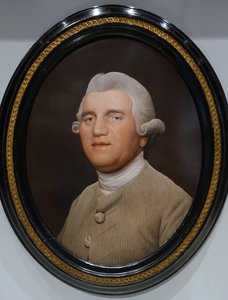
josiah wedgwood & thomas bentley
1730 - 1795 , United Kingdom
Основные сведения
- Artistic Movement Or Style: Wedgwood ware, Jasperware
- Artists Or Movements Influenced By This Artist: ['Neoclassical art']
- Artists Who Influenced This Artist: ['Thomas Wedgwood']
- Date Of Birth: July 12, 1730
- Date Of Death: January 3, 1795
- Full Name: Josiah Wedgwood & Thomas Bentley
- Nationality: British
- Notable Artworks:
- Vase mit Deckel, Fuß und zwei Griffen
- Landscape Model for Total Reflective Abstraction (V)
- Place Of Birth: Burslem, Staffordshire, England