

 Предпросмотр
 Поделиться
 Поделиться
 Детали произведения

 Скачать
 Похожие работы
 Рентгенография
 Слайд-шоу
 Статистика
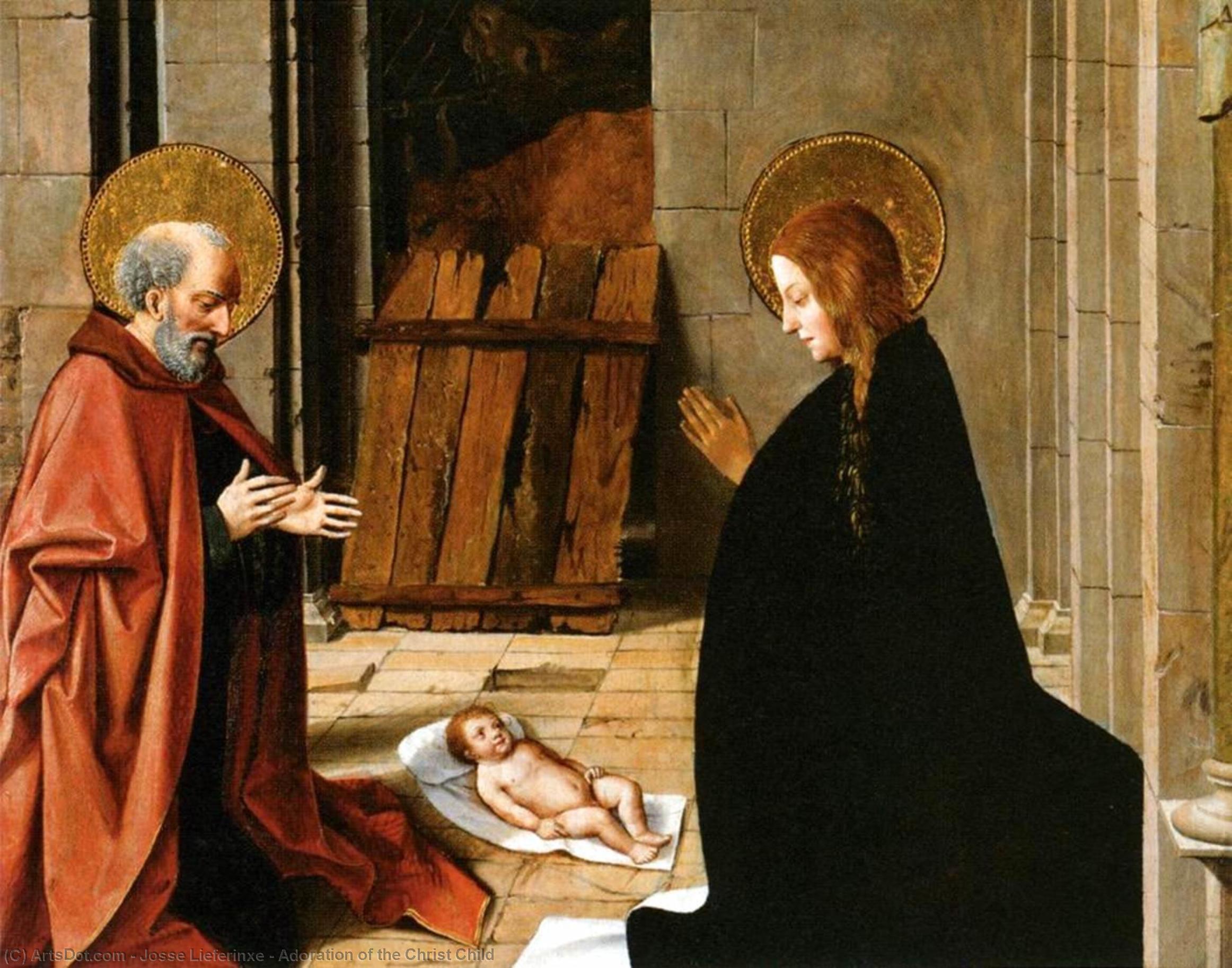
Adoration of the Christ Child
 Oil On Canvas
- WallArt
- Provençal School
 1500
1500 38.0 x 47.0 cm
 Лувр
Лувр
 Читать далее
Приобретите цифровое изображение высокого разрешения в улучшенном качестве, которое значительно превосходит онлайн-превью.
Каждый файл тщательно подготавливается нашими специалистами с использованием передовых инструментов и экспертной ручной ретуши. Мы гарантируем исключительную четкость, точную цветопередачу и детальную проработку каждого изображения.
Финальный файл доставляется по электронной почте в течение 72 часов и оптимизирован для немедленного использования в профессиональной среде, при верстке и печати. Это тот же уровень качества, которому доверяют ведущие дизайнерские студии, издательства и галереи.
Цифровое изображение
Скачайте файл высокого разрешения для личного использования, печати и творческих проектов. ( Перейти к печати Купить картину ручной работы)
Включено в каждый заказ цифровых изображений
Гарантия экспертной цифровой доставки
Выбирая ArtsDot.com, вы получаете не просто изображение — вы приобретаете профессионально обработанное цифровое произведение искусства, созданное с безупречной точностью и под защитой гарантии качества. Вот всё, что автоматически входит в ваш заказ:

Мгновенная доставка по e-mail
Ваш цифровой файл в высоком разрешении будет отправлен вам по электронной почте в течение 72 часов после оформления заказа — и сразу станет доступен для использования.

Цифровой файл с ИИ-улучшением
Ваше произведение искусства проходит профессиональную оптимизацию с использованием передовых инструментов ИИ и ручной обработки, что гарантирует максимальную детализацию, четкость и точность цветопередачи.

Бессрочная бесплатная повторная доставка
Случайно удалили или потеряли файл? Не беспокойтесь — мы отправим его вам повторно в любое время и совершенно бесплатно.

Без импортных пошлин — навсегда
Наслаждайтесь вашим произведением искусства мгновенно без таможенных пошлин, сборов или затрат на доставку — цифровые загрузки всегда не облагаются налогом.

Гарантия точности цветопередачи
Мы гарантируем, что ваше цифровое изображение максимально точно передает оригинальные цвета благодаря использованию профессиональных инструментов и систем управления цветом.

Гарантия удовлетворенности 100 дней
Если вы не будете удовлетворены своим цифровым изображением, мы внесем правки или вернем 100% стоимости в течение 100 дней — без лишних вопросов.

100% Гарантия возврата средств
Не удовлетворены покупкой? Получите полный возврат средств в течение 100 дней после получения цифрового файла — без лишних вопросов.

Скидки на оптовые заказы
Купите 3 изображения, сэкономьте 10% — Купите 5, сэкономьте 15% — Купите 10+, сэкономьте 20%. Отличное решение для творческих проектов, галерей и агентств.
The Serene Reverence: Josse Lieferinxe’s “Adoration of the Christ Child”
Within the hushed galleries of the Louvre resides a captivating tableau – Josse Lieferinxe’s “Adoration of the Christ Child,” painted circa 1500. More than merely a depiction of a biblical scene, this work embodies a profound sense of devotion and offers a glimpse into the artistic currents flowing through the burgeoning Provençal school during the early Renaissance. It's a painting that speaks not just to the eye but also to the heart, inviting contemplation on faith, humility, and the sacredness of childhood.
Lieferinxe, a relatively enigmatic figure in art history, emerged from the artistic landscape of Cambrai around 1493. His early career was deeply intertwined with the influence of Flemish masters like Barthélemy d’Eyck and Enguerrand Quarton, artists known for their meticulous detail and dynamic compositions. This connection to the Northern European tradition is immediately apparent in Lieferinxe's work – a careful balance between the intricate realism favored by his Flemish contemporaries and the burgeoning stylistic innovations of the Italian Renaissance. The painting showcases a masterful understanding of light and shadow, creating an atmosphere of both intimacy and solemnity.
A Composition Steeped in Symbolism
The scene unfolds within a modestly sized interior space, bathed in soft, diffused light that seems to emanate from the infant Christ himself. At the center stands Mary, her posture radiating tenderness as she cradles the Christ Child. Her gaze is one of serene contemplation, while her hands gently protect the sacred figure. Beside her stands Joseph, his presence a quiet strength and unwavering support. Two kneeling figures – likely representing devout worshippers – demonstrate their reverence through bowed heads and outstretched hands. The benches flanking the scene suggest a communal gathering, emphasizing the shared experience of faith.
Beyond the immediate figures, subtle details contribute to the painting’s rich symbolism. The two benches, positioned on either side, create a sense of balance and symmetry, mirroring the divine order of the universe. The book resting near the center – likely a religious text or prayer book – underscores the importance of scripture and devotion in Christian belief. Even the architectural elements, such as the simple arches and columns, contribute to the overall atmosphere of reverence and tranquility.
Technique and Artistic Style
Lieferinxe’s technique is characterized by a remarkable attention to detail and a skillful use of color. The figures are rendered with a delicate realism, their faces conveying a range of emotions – from Mary's gentle serenity to the worshippers’ humble adoration. The artist employs a subtle glazing technique, layering thin washes of paint to create depth and luminosity. This approach lends the painting a remarkable sense of atmosphere and texture.
Notably, Lieferinxe’s style reflects the influence of both Flemish realism and Italian Renaissance ideals. He skillfully integrates these influences into a cohesive whole, creating an artwork that is both visually engaging and spiritually resonant. The use of perspective, though not entirely rigorous by later standards, establishes a believable spatial environment, drawing the viewer into the scene.
A Window into a Lost Era
“Adoration of the Christ Child” offers a poignant glimpse into the artistic and religious landscape of 16th-century Europe. It’s a testament to the enduring power of faith and the profound beauty that can be found in depicting scenes of reverence and devotion. Reproductions of this work, like those offered by ArtsDot.com, allow us to experience its serene atmosphere and symbolic richness firsthand, connecting us with a pivotal moment in art history.
Further research reveals that Lieferinxe’s artistic journey was marked by collaboration and influence, particularly through his association with Jean Changenet, a prominent figure within the Provençal school. The painting's origins as a retable – an altarpiece designed for church decoration – highlights its intended function as a focal point of worship and devotion. The work’s presence in the Louvre underscores its historical significance and enduring appeal.
Похожие произведения

Биография художника
Early Life and Provençal School Connections
Josse Lieferinxe emerged onto the artistic scene around 1493 in Cambrai, Hainaut—a region deeply rooted in Burgundian influence. Initially recognized as “the Master of St. Sebastian,” he quickly established himself within the burgeoning Provençal school, a movement that drew inspiration from Northern European masters like Barthélemy d’Eyck and Enguerrand Quarton. This connection to the Flemish tradition is palpable in Lieferinxe's stylistic choices—a blend of meticulous detail and expressive dynamism characteristic of his contemporaries. His early commissions brought him into contact with prominent figures such as Jean Changenet, whose atelier served as a crucible for artistic innovation during this period. The Provençal school’s focus on religious iconography undoubtedly shaped Lieferinxe’s formative years, fostering an appreciation for narrative storytelling and symbolic representation.The St. Sebastian Retable: A Defining Achievement
Lieferinxe's reputation solidified in 1497 with the commission of a monumental retable depicting eight scenes from the life of Saint Sebastian and Saint Roch—protectors against plague—for Notre Dame des Accoulés church in Marseille. Tragically, Jean Changenet died before completing the project, leaving Lieferinxe to assume responsibility for its execution. This undertaking represents a cornerstone of Lieferinxe’s oeuvre and exemplifies his mastery of technique. The retable showcases a masterful fusion of Burgundian, Flemish, and Italian Renaissance styles—a testament to the artistic currents circulating throughout Europe at the time. Careful observation reveals subtle nuances in color palette and compositional arrangement, reflecting the influence of artists like Andrea Mantegna and Giovanni Battista Ticcioli.Style and Technique
Lieferinxe’s distinctive style is characterized by a remarkable level of realism combined with an expressive handling of paint—a hallmark of Flemish painting. His meticulous attention to detail extends beyond mere representation; he strives to convey emotion and spiritual depth through nuanced shading and textural variations. The St. Sebastian retable, particularly, demonstrates his exceptional skill in capturing the human form with anatomical accuracy while simultaneously imbuing it with palpable movement and psychological intensity. Lieferinxe’s use of oil paint—a relatively new medium at the time—allowed him to achieve luminous colors and subtle gradations that would have been unattainable with tempera.Dispersed Panels and Legacy
Following Changenet's demise, Lieferinxe continued his artistic endeavors, culminating in the creation of two panels depicting the Circumcision and Annunciation for the Musée Calvet in Avignon—and a marriage of the Virgin for the Musées Royaux in Brussels. A fragmentary third panel resides in the Louvre Museum. These works underscore Lieferinxe’s enduring contribution to fifteenth-century art and cemented his place within the history of the Provençal school. Despite the dispersal of his paintings across institutions, Lieferinxe's legacy persists as a symbol of artistic excellence—a painter who skillfully navigated the complexities of stylistic convergence and achieved lasting renown for his evocative depictions of religious subjects.Recognition and Further Research
Charles Sterling’s identification of Lieferinxe’s work with a document initiated scholarly interest in his artistic personality. Bernardino Sismondi originally conceived the retable commission, but Lieferinxe's contribution was recognized by art historians. The Centre for the Study of Fifteenth-Century Painting continues to investigate Lieferinxe’s oeuvre and its connections to broader artistic trends—a testament to the enduring fascination with this enigmatic artist whose paintings continue to inspire admiration and scholarly scrutiny.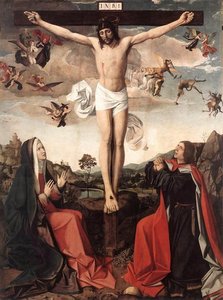
Josse Lieferinxe
1493 - 1508 , Netherlands
Основные сведения
- Artistic Movement Or Style: Provençal School; Burgundian art; Flemish painter; Renaissance artist
- Artists Or Movements Influenced By This Artist: ['Renaissance']
- Artists Who Influenced This Artist:
- Bartolomeo d'Eyck
- Enguerrand Quarton
- Date Of Death: 1508
- Full Name: Josse Lieferinxe
- Nationality: South Netherlandish
- Notable Artworks:
- Crucifixion
- Pilgrims at the Tomb of St Sebastian
- Adoration of the Christ Child
- Place Of Birth: Netherlands