

 Предпросмотр
 Поделиться
 Поделиться
 Детали произведения

 Скачать
 Похожие работы
 Рентгенография
 Слайд-шоу
 Статистика
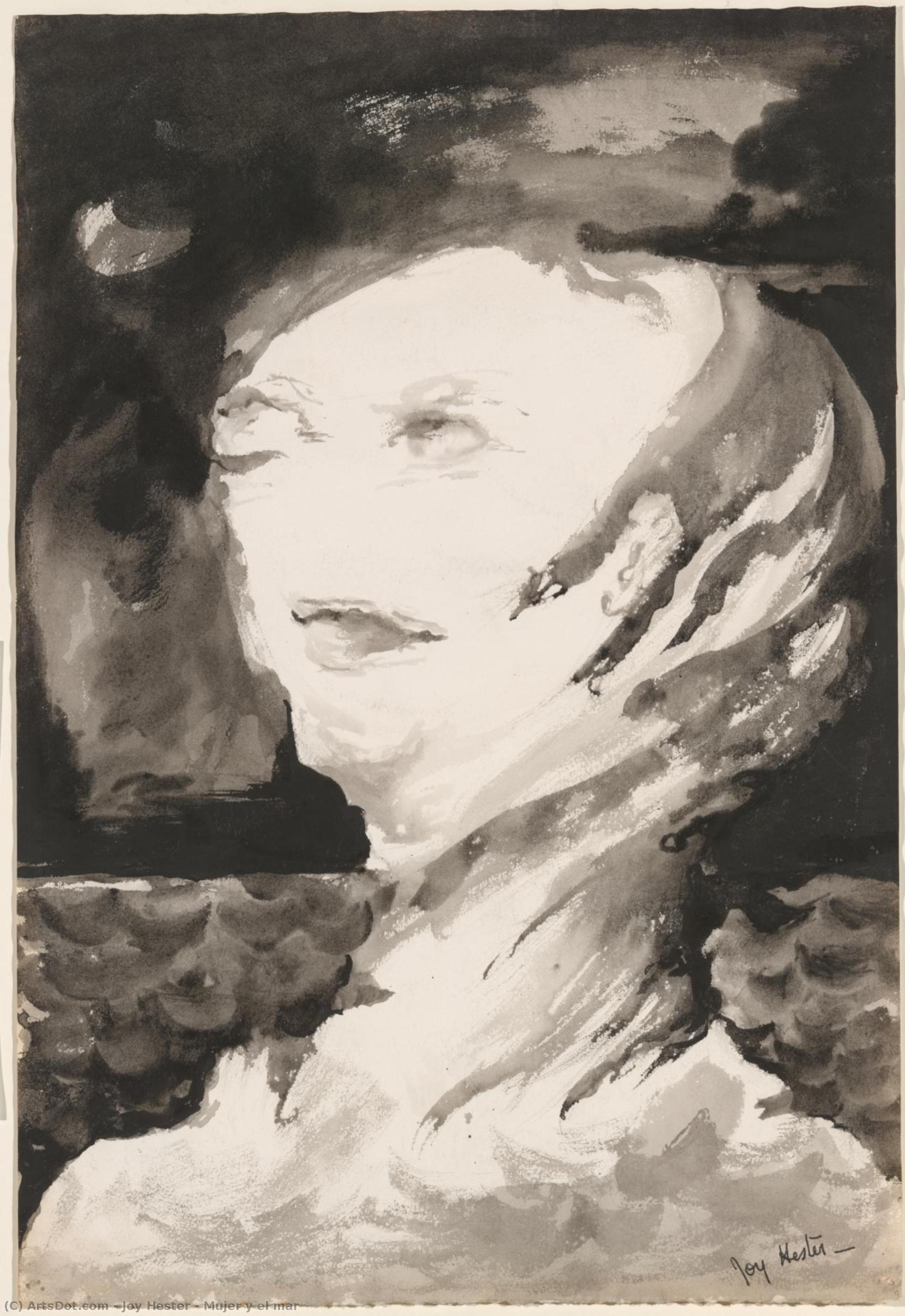
Mujer y el mar
 Expressionism
 1956
1956 57.0 x 39.0 cm
 Национальная галерея Виктории
 Читать далее
Приобретите цифровое изображение высокого разрешения в улучшенном качестве, которое значительно превосходит онлайн-превью.
Каждый файл тщательно подготавливается нашими специалистами с использованием передовых инструментов и экспертной ручной ретуши. Мы гарантируем исключительную четкость, точную цветопередачу и детальную проработку каждого изображения.
Финальный файл доставляется по электронной почте в течение 72 часов и оптимизирован для немедленного использования в профессиональной среде, при верстке и печати. Это тот же уровень качества, которому доверяют ведущие дизайнерские студии, издательства и галереи.
Цифровое изображение
Скачайте файл высокого разрешения для личного использования, печати и творческих проектов. ( Перейти к печати Купить картину ручной работы)
Включено в каждый заказ цифровых изображений
Гарантия экспертной цифровой доставки
Выбирая ArtsDot.com, вы получаете не просто изображение — вы приобретаете профессионально обработанное цифровое произведение искусства, созданное с безупречной точностью и под защитой гарантии качества. Вот всё, что автоматически входит в ваш заказ:

Мгновенная доставка по e-mail
Ваш цифровой файл в высоком разрешении будет отправлен вам по электронной почте в течение 72 часов после оформления заказа — и сразу станет доступен для использования.

Цифровой файл с ИИ-улучшением
Ваше произведение искусства проходит профессиональную оптимизацию с использованием передовых инструментов ИИ и ручной обработки, что гарантирует максимальную детализацию, четкость и точность цветопередачи.

Бессрочная бесплатная повторная доставка
Случайно удалили или потеряли файл? Не беспокойтесь — мы отправим его вам повторно в любое время и совершенно бесплатно.

Без импортных пошлин — навсегда
Наслаждайтесь вашим произведением искусства мгновенно без таможенных пошлин, сборов или затрат на доставку — цифровые загрузки всегда не облагаются налогом.

Гарантия точности цветопередачи
Мы гарантируем, что ваше цифровое изображение максимально точно передает оригинальные цвета благодаря использованию профессиональных инструментов и систем управления цветом.

Гарантия удовлетворенности 100 дней
Если вы не будете удовлетворены своим цифровым изображением, мы внесем правки или вернем 100% стоимости в течение 100 дней — без лишних вопросов.

100% Гарантия возврата средств
Не удовлетворены покупкой? Получите полный возврат средств в течение 100 дней после получения цифрового файла — без лишних вопросов.

Скидки на оптовые заказы
Купите 3 изображения, сэкономьте 10% — Купите 5, сэкономьте 15% — Купите 10+, сэкономьте 20%. Отличное решение для творческих проектов, галерей и агентств.
A Portrait of Quiet Intensity: Joy St Clair Hester’s “Mujer y el Mar”
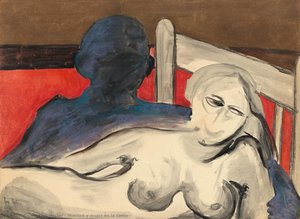
Joy St Clair Hester's "Mujer y el mar" (Woman and the Sea) is not merely a depiction of a female figure; it’s an immersion into a realm of introspective melancholy, rendered with a masterful command of ink and charcoal. Completed in 1956, this work stands as a poignant testament to Hester's signature style – a deeply emotive exploration of human experience, often tinged with a subtle undercurrent of sadness and solitude. The painting immediately draws the viewer in with its monochromatic palette, dominated by shades of gray, black, and white, creating an atmosphere both stark and profoundly intimate. It’s a deliberate choice that strips away superficiality, forcing us to confront the raw emotion conveyed through form and texture.
Composition and Technique: A Dance of Lines and Shadows
The composition is strikingly centered around the woman's face, her gaze directed slightly off-camera – a subtle gesture that invites the viewer into her private world. The horizontal line bisecting the image acts as a grounding element, providing structure without disrupting the overall sense of unease or contemplation. Hester’s technique is characterized by loose, gestural brushstrokes, particularly evident in the delineation of the face and hair. These aren't precise renderings; instead, they are expressive marks that convey movement and feeling. Thick layers of ink build up a rich surface texture, punctuated by softer washes that create subtle gradations of tone – a masterful manipulation of value to suggest depth and form. The use of layering is crucial, building an illusion of space and adding to the painting’s tactile quality; it feels as though you could reach out and trace the contours of her face with your fingertips.
Symbolism and Emotional Resonance: Woman, Sea, and the Unspoken
The title itself, “Mujer y el mar,” immediately establishes a powerful symbolic connection. The sea has long been a potent metaphor for both life’s vastness and its inherent uncertainties – a space of mystery, danger, and profound beauty. The woman's posture, her averted gaze, suggests a quiet contemplation, perhaps even a yearning or a sense of isolation. There’s an undeniable vulnerability in her expression, hinting at unspoken emotions and hidden depths. Hester was deeply influenced by the Expressionist movement, prioritizing emotional impact over strict realism. This is evident in the painting’s raw intensity and its willingness to confront difficult themes – loneliness, loss, and the complexities of human relationships. The monochromatic palette further amplifies this sense of introspection, stripping away distractions and focusing solely on the core emotions at play.
Historical Context: Joy Hester and the Australian Modernist Scene
To fully appreciate “Mujer y el mar,” it’s essential to understand the context in which it was created. Joy St Clair Hester emerged as a significant figure within Australia's burgeoning modernist art scene during the mid-20th century. She was part of the Heide Circle, a group of artists associated with the Heide Museum complex in Melbourne, and also connected to the “Angry Penguins,” a notoriously rebellious collective known for challenging artistic conventions. Her work reflects this spirit of experimentation and her willingness to explore unconventional themes. Hester’s life itself was marked by personal hardship – the early loss of her father profoundly shaped her artistic vision. Her exploration of female subjects, particularly in works like "Mujer y el mar," offered a rare and powerful voice within a male-dominated art world. The painting's creation coincided with a period of significant social change in Australia, mirroring the growing awareness of gender roles and identity.
Today, “Mujer y el mar” remains a compelling example of Hester’s artistic talent and her ability to evoke profound emotional responses. It is a work that invites contemplation, prompting viewers to consider themes of solitude, introspection, and the enduring power of human emotion. High-quality reproductions capture the painting's rich texture and evocative atmosphere, making it an ideal addition to any art collection or interior space.
Похожие произведения
Биография художника
Joy St Clair Hester (1920–1960): Australian Modernist renowned for emotionally charged ink drawings exploring love, loss, & the human psyche. A key figure of the Angry Penguins/Heide Circle.
Joy St Clair Hester, a pivotal figure in Australian Modernism, lived a life marked by both artistic fervor and personal hardship. Born in Elwood, Australia, in 1920, her early years were shadowed by the loss of her father, an event that would subtly yet profoundly influence the emotional depth of her later work. From her formative studies at St Michael’s Grammar School and Brighton Technical School, Hester demonstrated a clear artistic inclination, culminating in recognition at the National Gallery School in Melbourne where she won the Drawing Head from Life prize in 1938. This early success signaled not just technical skill but an emerging ability to capture the essence of human form—a talent that would become her signature. It was also during this period that Hester began to break free from traditional artistic constraints, seeking a more expressive and personal visual language.Early Life and Art Training
Joy Hester’s childhood in Elwood instilled within her a sensitivity to observation and an appreciation for the subtleties of human experience—qualities that would inform her artistic vision throughout her life. Her father’s untimely death at the age of twelve profoundly impacted her emotional landscape, fostering a preoccupation with themes of loss and vulnerability that permeate her oeuvre. Recognizing her innate talent, Hester pursued formal art education diligently, attending St Michael’s Grammar School from 1933 to 1937 and subsequently enrolling in Commercial Art for a year at Brighton Technical School. This grounding in technical skills provided the foundation upon which she built her distinctive artistic style. Crucially, she excelled at the National Gallery School in Melbourne (1937–1938), securing the Drawing Head from Life prize—a testament to her mastery of anatomical representation and her ability to convey emotion through precise draughtsmanship. Her instructors encouraged experimentation beyond conventional techniques, nurturing her desire to forge a path that was both intellectually stimulating and aesthetically innovative.The Heide Circle and Angry Penguins
Joy Hester’s artistic trajectory took its most decisive turn in 1938 with her encounter—and subsequent relationship—with Albert Tucker, initiating not only a significant romantic partnership but also an important artistic collaboration. This connection propelled her into the orbit of Sunday Reed, a visionary patron who championed avant-garde art and fostered a vibrant intellectual environment. Together they formed the Heide Circle alongside artists Sidney Nolan, Arthur Boyd, and Charles Blackman—a group united by a shared commitment to challenging artistic conventions and exploring radical new ideas. Heide served as a crucible for experimentation, encouraging artists to confront societal norms and redefine their understanding of Australian identity. Simultaneously, Hester became a founding member of the Contemporary Art Society (CAS) and, notably, the sole female participant in the groundbreaking Angry Penguins movement—a collective that fiercely defended modernist principles against prevailing conservative sentiment. Her work embodied the group’s rebellious spirit and unwavering belief in artistic freedom, solidifying her position as a trailblazer within Australian art history.A Distinctive Style: From Observation to Emotion
Hester’s artistic style evolved dramatically throughout her career, reflecting her growing engagement with psychological themes and her mastery of innovative techniques. Initially influenced by traditional academic drawing methods—particularly the meticulous study of human anatomy—she swiftly abandoned these conventions in favor of a more expressive approach. Embracing watercolor and ink as her primary mediums, Hester achieved remarkable textural depth and tonal nuance—capturing not merely visual likeness but also profound emotional resonance. Her distinctive technique involved rapid sketching with bold lines infused with palpable energy, conveying feelings of anxiety, fear, and vulnerability with uncompromising honesty. The shadow of World War II profoundly impacted her artistic vision, prompting her to explore themes of mortality and existential questioning. Recurring motifs—faces rendered with haunting intensity—became emblems of her artistic exploration, reflecting her deep empathy for the human condition. Her masterful use of line—dark, sinuous lines that seemed to pulsate with emotion—established a signature style that distinguishes her work from its contemporaries.Major Achievements and Legacy
Joy St Clair Hester’s contribution to Australian Modernism is undeniable. Her unflinching exploration of psychological states—coupled with her innovative technique—challenged artistic orthodoxies and paved the way for future generations of artists. Despite facing considerable adversity during her lifetime, including a debilitating illness diagnosed in 1947—Hodgkin's lymphoma—Hester persevered in her creative pursuits, producing a prolific body of work that continues to inspire admiration and scholarly inquiry. Her series *Face*, *Sleep,* and *Love* (1948–49)—amongst many others—remain iconic representations of modernist expressionism, demonstrating her unparalleled ability to convey complex emotions through simple visual forms. Furthermore, Hester’s participation in the Angry Penguins movement cemented her place as a champion of artistic freedom and intellectual courage—a legacy that transcends time and continues to resonate with audiences today. Her enduring influence is evident in the work of subsequent Australian artists who embraced similar stylistic approaches and thematic concerns—solidifying Joy St Clair Hester's position as one of Australia’s most important modernist figures.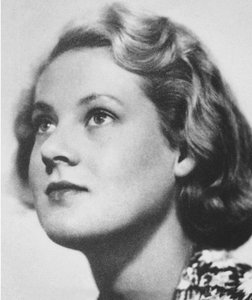
Джэй Ст Клер Хестер
1920 - 1960 , Австралия
Основные сведения
- Artistic Movement Or Style: Экспрессионизм и Модернизм
- Artists Or Movements Influenced By This Artist: ['Английский экспрессионизм']
- Artists Who Influenced This Artist:
- Эйса О'Коннор
- Данила Васильефф
- Date Of Birth: Август 21, 1920
- Date Of Death: Декабрь 4, 1960
- Full Name: Joy St Clair Hester
- Nationality: Австралиец
- Notable Artworks:
- Лицо
- Сон
- Любовь
- Place Of Birth: Эльсторвик, Австралия