


 Предпросмотр
 Поделиться
 Поделиться
 Детали произведения

 Скачать
 Похожие работы
 Рентгенография
 Слайд-шоу
 Статистика
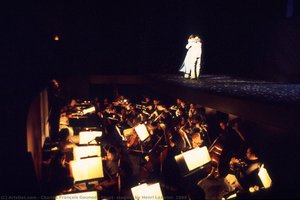
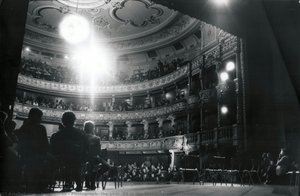
Photograph, the year ´89 in the Slovak National Theatre


 Читать далее
Приобретите цифровое изображение высокого разрешения в улучшенном качестве, которое значительно превосходит онлайн-превью.
Каждый файл тщательно подготавливается нашими специалистами с использованием передовых инструментов и экспертной ручной ретуши. Мы гарантируем исключительную четкость, точную цветопередачу и детальную проработку каждого изображения.
Финальный файл доставляется по электронной почте в течение 72 часов и оптимизирован для немедленного использования в профессиональной среде, при верстке и печати. Это тот же уровень качества, которому доверяют ведущие дизайнерские студии, издательства и галереи.
Цифровое изображение
Скачайте файл высокого разрешения для личного использования, печати и творческих проектов. ( Перейти к печати Купить картину ручной работы)
Включено в каждый заказ цифровых изображений
Гарантия экспертной цифровой доставки
Выбирая ArtsDot.com, вы получаете не просто изображение — вы приобретаете профессионально обработанное цифровое произведение искусства, созданное с безупречной точностью и под защитой гарантии качества. Вот всё, что автоматически входит в ваш заказ:

Мгновенная доставка по e-mail
Ваш цифровой файл в высоком разрешении будет отправлен вам по электронной почте в течение 72 часов после оформления заказа — и сразу станет доступен для использования.

Цифровой файл с ИИ-улучшением
Ваше произведение искусства проходит профессиональную оптимизацию с использованием передовых инструментов ИИ и ручной обработки, что гарантирует максимальную детализацию, четкость и точность цветопередачи.

Бессрочная бесплатная повторная доставка
Случайно удалили или потеряли файл? Не беспокойтесь — мы отправим его вам повторно в любое время и совершенно бесплатно.

Без импортных пошлин — навсегда
Наслаждайтесь вашим произведением искусства мгновенно без таможенных пошлин, сборов или затрат на доставку — цифровые загрузки всегда не облагаются налогом.

Гарантия точности цветопередачи
Мы гарантируем, что ваше цифровое изображение максимально точно передает оригинальные цвета благодаря использованию профессиональных инструментов и систем управления цветом.

Гарантия удовлетворенности 100 дней
Если вы не будете удовлетворены своим цифровым изображением, мы внесем правки или вернем 100% стоимости в течение 100 дней — без лишних вопросов.

100% Гарантия возврата средств
Не удовлетворены покупкой? Получите полный возврат средств в течение 100 дней после получения цифрового файла — без лишних вопросов.

Скидки на оптовые заказы
Купите 3 изображения, сэкономьте 10% — Купите 5, сэкономьте 15% — Купите 10+, сэкономьте 20%. Отличное решение для творческих проектов, галерей и агентств.
Похожие произведения







Биография художника
A Life Forged in Polish Poetry
Józef Baran (born January 17, 1947, in Borzęcin, Poland) is a figure whose poetic voice resonates with both the intimacy of everyday experience and the profound questions of existence. His life, inextricably linked to the turbulent history of Poland – encompassing periods of communist oppression, artistic resistance, and ultimately, quiet reflection – has shaped his work into a uniquely poignant exploration of memory, loss, and the enduring spirit of humanity. Born into a family rooted in the rural landscape of Western Poland, Baran’s early years were marked by the traditional rhythms of peasant life, an experience that would later profoundly inform his poetic sensibility. He pursued his education diligently, graduating from the technical center in Wałbrzych and subsequently earning a degree in Polish philology from the Pedagogical University of Kraków – a foundation that provided him with both practical skills and a deep appreciation for the nuances of language.
His literary debut arrived in 1969 within the “Życie Literackie” (Literary Life) weekly almanac, a significant milestone signaling his entry into Poland’s vibrant intellectual scene. Early critics recognized a distinct voice – one that, as Artur Sandauer aptly described, “directly reaches into the heart of ordinary people.” This characteristic would become a defining feature of Baran's oeuvre, distinguishing him from more overtly political or abstract forms of poetry. He quickly established himself as a key figure within the Polish literary landscape, assuming the role of chief editor for the journal "Wieści" in 1975 and later for “Dziennik Polski” in Kraków, further solidifying his position as a respected and influential voice.
The Shadow of Occupation and Resistance
Baran’s artistic journey unfolded against the backdrop of Poland's post-war communist regime. The years following 1945 were characterized by pervasive surveillance, censorship, and the suppression of dissent. Yet, despite these constraints, Baran continued to write, his poetry serving as a subtle yet powerful form of resistance – a quiet affirmation of individual experience in the face of collective oppression. His work during this period reflects a deep awareness of historical trauma, particularly the lingering effects of World War II and the subsequent Soviet occupation. The memory of loss, displacement, and the struggle for national identity permeated his verses, creating a sense of melancholy that nonetheless held within it an unwavering hope for the future.
A pivotal moment in Baran’s career occurred during 1989, when he documented a photograph taken at the Slovak National Theatre. This image, now widely circulated and analyzed, encapsulates the atmosphere of political tension and artistic expression that characterized the era. The photograph serves as a visual reminder of the complexities of Polish identity – its connection to both Eastern and Western Europe, and its ongoing struggle for self-determination. It’s a testament to his ability to capture the essence of a moment in time, imbuing it with layers of meaning and historical significance.
Themes and Style: A Poetics of the Everyday
Baran's poetry is distinguished by its accessibility and its profound engagement with the ordinary. He eschewed grand pronouncements or overtly political themes, instead focusing on the small moments of human experience – a shared meal, a fleeting encounter, a memory triggered by a familiar object. His poems are characterized by a remarkable sensitivity to detail, capturing the textures, smells, and sounds of everyday life with startling clarity. He frequently employs a conversational tone, as if speaking directly to the reader, inviting them into his world and encouraging them to contemplate their own experiences.
A recurring motif in Baran’s work is the exploration of transience – the ephemeral nature of time, memory, and human relationships. He grapples with themes of loss, regret, and the inevitability of change, yet he does so without resorting to despair or bitterness. Instead, his poems are imbued with a sense of acceptance and resilience, suggesting that even in the face of adversity, there is always room for beauty and connection.
Legacy and Recognition
Józef Baran’s poetry has been translated into numerous languages, including English, Hebrew, German, Czech, Russian, and Spanish, demonstrating its universal appeal. His work continues to be studied and appreciated by scholars and readers alike, recognized for its honesty, vulnerability, and profound insights into the human condition. He remains a vital voice in contemporary Polish literature, embodying the spirit of quiet resistance and the enduring power of poetry to illuminate the complexities of life.
Beyond his published works, Baran’s influence extends to the realm of photography, as evidenced by his collaboration on the “Photograph, the year ‘89 in the Slovak National Theatre” project. This artistic endeavor further underscores his ability to capture and interpret moments of historical significance, solidifying his reputation as a multifaceted artist deeply engaged with the social and political realities of his time.
jozef baran
1947 - , Poland
Основные сведения
- Artistic Movement Or Style: Poetry
- Artists Or Movements Influenced By This Artist: ['Polish Modernism']
- Artists Who Influenced This Artist: ['Gałczyński']
- Date Of Birth: January 17, 1947
- Full Name: Józef Baran
- Nationality: Polish
- Notable Artworks:
- Before Departure
- Nasze najszczersze rozmowy
- Dopóki jeszcze
- Place Of Birth: Borzęcin, Poland