

 Предпросмотр
 Поделиться
 Поделиться
 Детали произведения

 Скачать
 Похожие работы
 Рентгенография
 Слайд-шоу
 Статистика
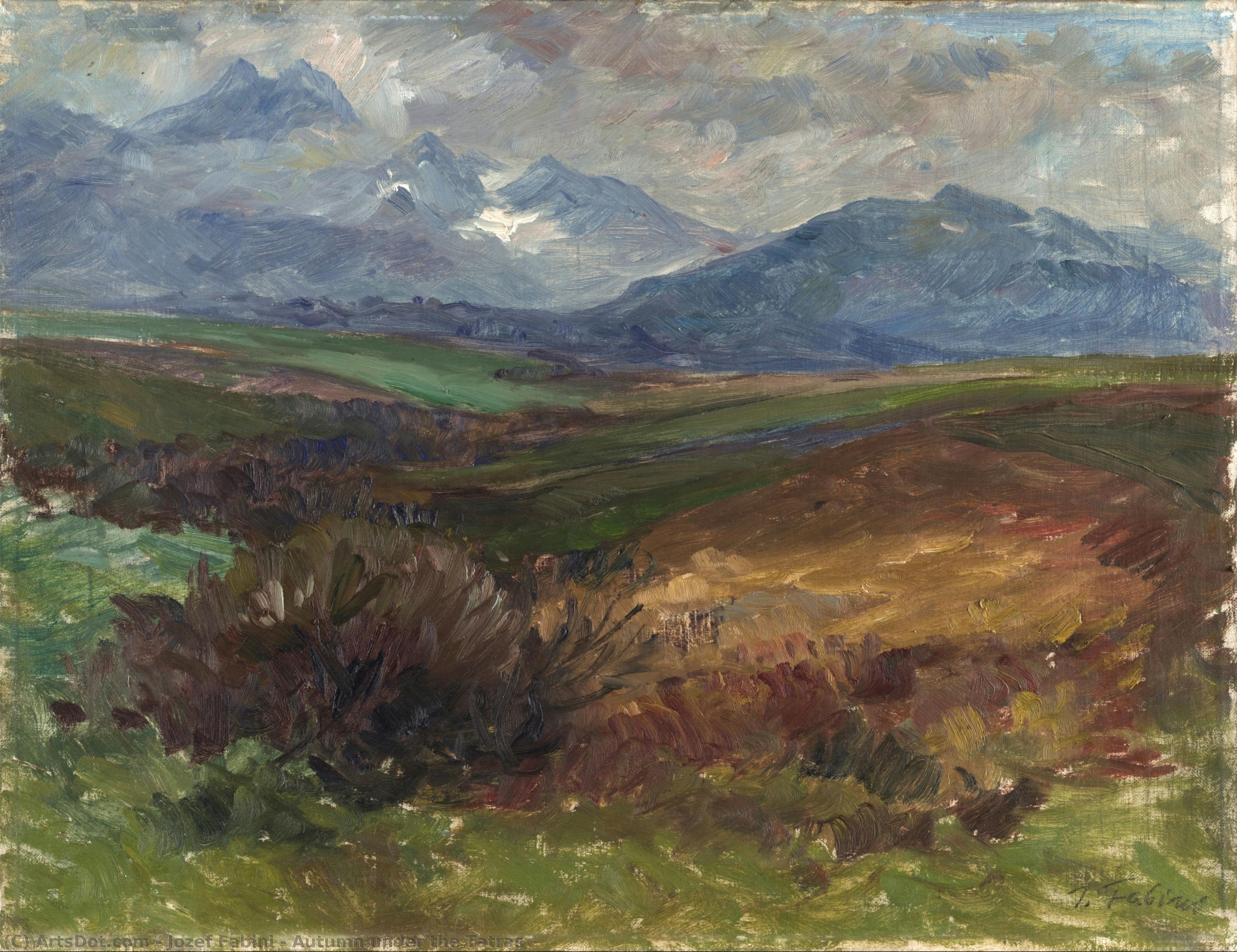
Autumn under the Tatras
 Impressionism
 65.0 x 50.0 cm
 Tatra Gallery
 Читать далее
Приобретите цифровое изображение высокого разрешения в улучшенном качестве, которое значительно превосходит онлайн-превью.
Каждый файл тщательно подготавливается нашими специалистами с использованием передовых инструментов и экспертной ручной ретуши. Мы гарантируем исключительную четкость, точную цветопередачу и детальную проработку каждого изображения.
Финальный файл доставляется по электронной почте в течение 72 часов и оптимизирован для немедленного использования в профессиональной среде, при верстке и печати. Это тот же уровень качества, которому доверяют ведущие дизайнерские студии, издательства и галереи.
Цифровое изображение
Скачайте файл высокого разрешения для личного использования, печати и творческих проектов. ( Перейти к печати Купить картину ручной работы)
Включено в каждый заказ цифровых изображений
Гарантия экспертной цифровой доставки
Выбирая ArtsDot.com, вы получаете не просто изображение — вы приобретаете профессионально обработанное цифровое произведение искусства, созданное с безупречной точностью и под защитой гарантии качества. Вот всё, что автоматически входит в ваш заказ:

Мгновенная доставка по e-mail
Ваш цифровой файл в высоком разрешении будет отправлен вам по электронной почте в течение 72 часов после оформления заказа — и сразу станет доступен для использования.

Цифровой файл с ИИ-улучшением
Ваше произведение искусства проходит профессиональную оптимизацию с использованием передовых инструментов ИИ и ручной обработки, что гарантирует максимальную детализацию, четкость и точность цветопередачи.

Бессрочная бесплатная повторная доставка
Случайно удалили или потеряли файл? Не беспокойтесь — мы отправим его вам повторно в любое время и совершенно бесплатно.

Без импортных пошлин — навсегда
Наслаждайтесь вашим произведением искусства мгновенно без таможенных пошлин, сборов или затрат на доставку — цифровые загрузки всегда не облагаются налогом.

Гарантия точности цветопередачи
Мы гарантируем, что ваше цифровое изображение максимально точно передает оригинальные цвета благодаря использованию профессиональных инструментов и систем управления цветом.

Гарантия удовлетворенности 100 дней
Если вы не будете удовлетворены своим цифровым изображением, мы внесем правки или вернем 100% стоимости в течение 100 дней — без лишних вопросов.

100% Гарантия возврата средств
Не удовлетворены покупкой? Получите полный возврат средств в течение 100 дней после получения цифрового файла — без лишних вопросов.

Скидки на оптовые заказы
Купите 3 изображения, сэкономьте 10% — Купите 5, сэкономьте 15% — Купите 10+, сэкономьте 20%. Отличное решение для творческих проектов, галерей и агентств.
Похожие произведения
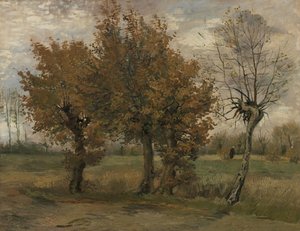
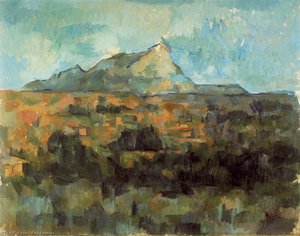
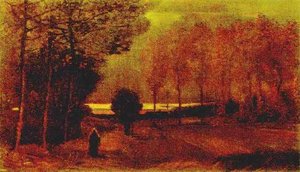
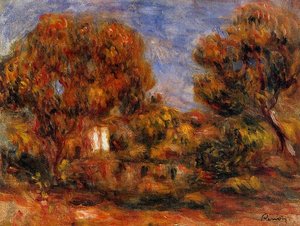
Биография художника
Wassily Kandinsky: Pioneer of Abstraction
Born in Moscow in December 1866, Wassily Kandinsky’s life was a profound and ultimately transformative journey into the realm of visual expression. Initially pursuing a legal education – a path dictated by his family's expectations – he found himself increasingly drawn to the burgeoning artistic circles of Munich at the turn of the century. This shift marked a pivotal moment, abandoning the constraints of conventional law for the boundless possibilities of color and form. Kandinsky’s early work, influenced by Impressionism and Post-Impressionism, demonstrated a meticulous attention to detail and a fascination with capturing fleeting moments of light and atmosphere. However, it was his encounter with Paul Gauguin and Vincent van Gogh that proved to be truly catalytic, igniting within him a desire to move beyond mere representation and delve into the expressive power of pure color and shape.
The early 1900s witnessed Kandinsky’s radical experimentation. He began exploring non-objective art, driven by his belief that art could evoke emotions and spiritual experiences independent of depicting recognizable objects. This period, often referred to as “productive periods,” saw the creation of works like *Composition VII* (1913) and *Improvisation 28* (1912), characterized by swirling lines, vibrant hues, and a deliberate rejection of traditional perspective. Influenced by synesthesia – the neurological phenomenon where stimulation of one sense triggers experiences in another – Kandinsky sought to translate musical notes into visual forms, believing that color possessed an inherent emotional quality akin to sound.
The Blue Rider Group and Early Abstraction
Kandinsky’s artistic evolution was inextricably linked to his involvement with the “Blue Rider” (Die Brücke) group of artists in Munich. Founded in 1908, this collective championed a radical approach to artmaking, rejecting academic conventions and embracing experimentation with color, form, and subject matter. The Blue Riders, including Ernst Ludwig Kirchner, Emil Nolde, and Franz Marc, shared a desire to break free from the constraints of realism and explore new modes of expression. Kandinsky’s association with the group provided him with a vital platform for disseminating his ideas and engaging in critical dialogue about the future of art. His collaboration with Gabriele Münter, whom he met through the Blue Rider circle, proved particularly significant, offering both artistic companionship and intellectual stimulation.
Development of Abstract Style & Theoretical Writings
Following World War I, Kandinsky relocated to France, where his artistic practice continued to evolve. He began to develop a more systematic approach to abstraction, moving beyond purely intuitive expression towards a deliberate exploration of geometric forms and color relationships. This period saw the creation of iconic works such as *Composition VIII* (1923) and *Concerning the Spiritual in Art* (1911), a seminal treatise that outlined his theories on the spiritual significance of art. In this influential text, Kandinsky argued that abstract art could transcend the limitations of representation and communicate directly with the viewer’s soul, evoking feelings and ideas through pure color and form.
Later Years & Legacy
Despite facing challenges during the rise of Nazism, Kandinsky continued to paint until his death in Neuilly-sur-Seine in 1944. His work was initially suppressed by the regime but later recognized as a cornerstone of modern art. Kandinsky’s pioneering exploration of abstraction profoundly influenced generations of artists, including Piet Mondrian, Kazimir Malevich, and countless others who sought to liberate art from the constraints of representation. Today, his paintings are celebrated for their emotional intensity, innovative use of color, and enduring contribution to the development of abstract art. His theoretical writings remain a vital resource for understanding the philosophical underpinnings of modern artistic practice, solidifying Kandinsky’s place as one of the most important figures in 20th-century art.
Key Influences & Historical Context
- Impressionism and Post-Impressionism: Early works demonstrate an initial engagement with capturing light and atmosphere.
- Paul Gauguin and Vincent van Gogh: Their emphasis on color, emotion, and subjective experience profoundly impacted Kandinsky’s artistic vision.
- Synesthesia: The neurological phenomenon served as a key inspiration for his exploration of the relationship between senses.
- The Blue Rider Group: Provided a crucial platform for experimentation and critical exchange.
- Early 20th-Century Art Movements: Kandinsky’s work is intertwined with developments in Cubism, Fauvism, and Expressionism.
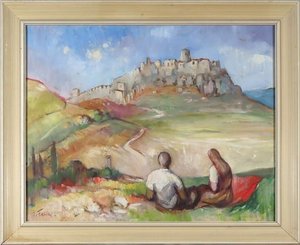
jozef fabini
1908 - 1984 , Slovakia
Основные сведения
- Artistic Movement Or Style: Abstraction, Expressionism
- Artists Or Movements Influenced By This Artist:
- Bauhaus
- Abstract art
- Artists Who Influenced This Artist:
- Paul Gauguin
- Vincent van Gogh
- Date Of Birth: 16 December 1866
- Date Of Death: 13 December 1944
- Full Name: Wassily Kandinsky
- Nationality: Russian (later French)
- Notable Artworks:
- On White II
- Blue Rider
- Composition VII
- Place Of Birth: Moscow, Russia