

 Предпросмотр
 Поделиться
 Поделиться
 Детали произведения

 Скачать
 Похожие работы
 Рентгенография
 Слайд-шоу
 Статистика
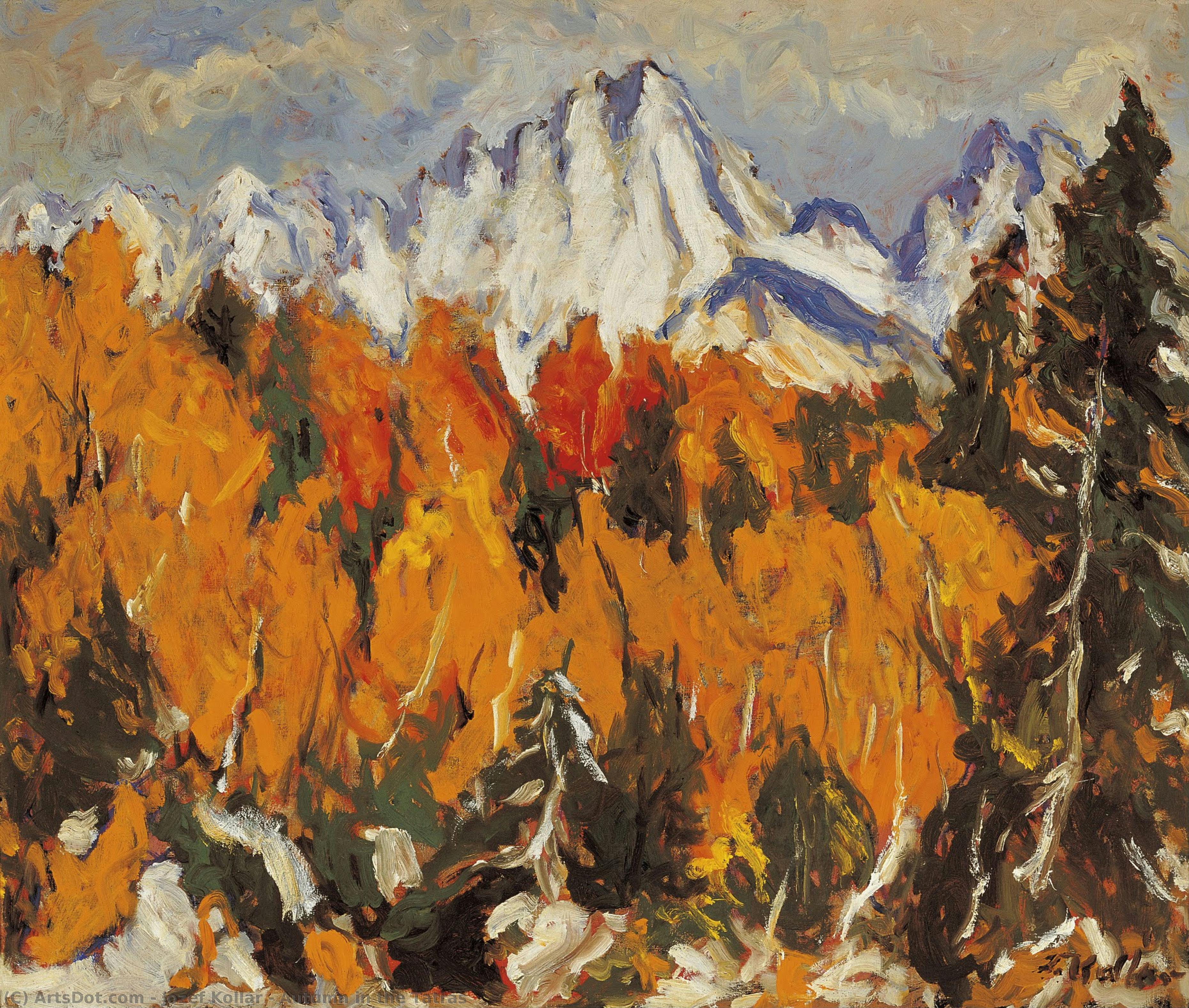
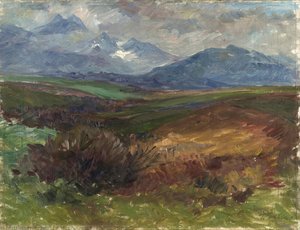
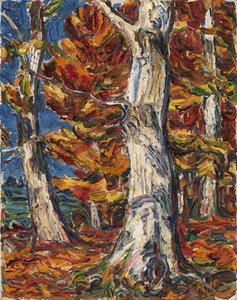
Autumn in the Tatras


 Читать далее
Приобретите цифровое изображение высокого разрешения в улучшенном качестве, которое значительно превосходит онлайн-превью.
Каждый файл тщательно подготавливается нашими специалистами с использованием передовых инструментов и экспертной ручной ретуши. Мы гарантируем исключительную четкость, точную цветопередачу и детальную проработку каждого изображения.
Финальный файл доставляется по электронной почте в течение 72 часов и оптимизирован для немедленного использования в профессиональной среде, при верстке и печати. Это тот же уровень качества, которому доверяют ведущие дизайнерские студии, издательства и галереи.
Цифровое изображение
Скачайте файл высокого разрешения для личного использования, печати и творческих проектов. ( Перейти к печати Купить картину ручной работы)
Включено в каждый заказ цифровых изображений
Гарантия экспертной цифровой доставки
Выбирая ArtsDot.com, вы получаете не просто изображение — вы приобретаете профессионально обработанное цифровое произведение искусства, созданное с безупречной точностью и под защитой гарантии качества. Вот всё, что автоматически входит в ваш заказ:

Мгновенная доставка по e-mail
Ваш цифровой файл в высоком разрешении будет отправлен вам по электронной почте в течение 72 часов после оформления заказа — и сразу станет доступен для использования.

Цифровой файл с ИИ-улучшением
Ваше произведение искусства проходит профессиональную оптимизацию с использованием передовых инструментов ИИ и ручной обработки, что гарантирует максимальную детализацию, четкость и точность цветопередачи.

Бессрочная бесплатная повторная доставка
Случайно удалили или потеряли файл? Не беспокойтесь — мы отправим его вам повторно в любое время и совершенно бесплатно.

Без импортных пошлин — навсегда
Наслаждайтесь вашим произведением искусства мгновенно без таможенных пошлин, сборов или затрат на доставку — цифровые загрузки всегда не облагаются налогом.

Гарантия точности цветопередачи
Мы гарантируем, что ваше цифровое изображение максимально точно передает оригинальные цвета благодаря использованию профессиональных инструментов и систем управления цветом.

Гарантия удовлетворенности 100 дней
Если вы не будете удовлетворены своим цифровым изображением, мы внесем правки или вернем 100% стоимости в течение 100 дней — без лишних вопросов.

100% Гарантия возврата средств
Не удовлетворены покупкой? Получите полный возврат средств в течение 100 дней после получения цифрового файла — без лишних вопросов.

Скидки на оптовые заказы
Купите 3 изображения, сэкономьте 10% — Купите 5, сэкономьте 15% — Купите 10+, сэкономьте 20%. Отличное решение для творческих проектов, галерей и агентств.
Похожие произведения

Биография художника
Aaron Douglas: A Voice of the Harlem Renaissance
Aaron Douglas, born in Topeka, Kansas, in 1899, stands as a monumental figure within the vibrant tapestry of the Harlem Renaissance—a period of extraordinary artistic and intellectual flourishing for African Americans. His life, though tragically brief, was profoundly shaped by the realities of racial segregation and the burgeoning Black cultural movement, experiences that deeply informed his distinctive visual language. Douglas’s journey began in a segregated environment, attending McKinley Elementary School and Topeka High School, where he found solace and inspiration amidst the limitations imposed upon him. Following graduation, he sought opportunity in the industrial Midwest, working as a glass factory employee and later in a steel foundry – experiences that instilled within him a keen awareness of labor and social injustice, themes which would subtly permeate his art. His formal artistic education commenced at the University of Nebraska-Lincoln in 1918, followed by a bachelor’s degree in fine arts from the same institution in 1922. This foundation provided him with essential skills, but it was his immersion within the heart of Harlem that truly ignited his creative spirit and solidified his place as a leading voice of the era.Early Influences and Artistic Development
Douglas’s artistic development was profoundly influenced by the diverse currents circulating through the Harlem Renaissance. He initially drew inspiration from the stylized, heroic figures of African sculpture and the rich symbolism of African American folklore. This early fascination with ancestral heritage is evident in his earliest works, characterized by bold outlines, simplified forms, and a deliberate evocation of ancient traditions. Crucially, he was deeply impacted by the work of European Expressionists, particularly those exploring themes of social commentary and psychological intensity. However, Douglas skillfully integrated these influences into a uniquely American style—one that retained a strong connection to Black cultural identity while simultaneously engaging with broader artistic trends. His early paintings often depicted scenes of African American life – laborers, musicians, and community gatherings – imbued with a sense of dignity and resilience. The influence of the Arts and Crafts movement is also apparent in his meticulous attention to detail and his commitment to creating works that were both aesthetically pleasing and socially meaningful.Thematic Concerns: Race, History, and Social Justice
Douglas’s art wasn't merely decorative; it was a deliberate act of social commentary. He grappled with the complex realities of racial inequality and sought to capture the spirit of Black experience in America. His most celebrated series, “Aspects of Negro Life,” produced between 1931 and 1934, powerfully addressed themes of migration, labor, and the struggle for equality. These large-scale murals—commissioned by the Works Progress Administration (WPA)—depicted scenes of Black life during the Great Migration, showcasing both the hardships endured and the unwavering hope for a better future. The figures in these works are often rendered with a striking sense of dynamism and emotional intensity, reflecting the challenges and triumphs of their lives. Douglas’s work also engaged with historical narratives, drawing upon African American history and mythology to create visual metaphors that explored themes of liberation, resistance, and cultural identity. His use of color—often bold and symbolic—further amplified these thematic concerns.Style and Technique: A Distinctive Visual Language
Douglas’s artistic style is immediately recognizable for its distinctive combination of stylized figures, simplified forms, and a dynamic sense of movement. He employed a flattened perspective, reminiscent of African masks and tribal art, to create a powerful visual impact. His use of bold outlines and contrasting colors—particularly the interplay of black and white—served to emphasize the essential qualities of his subjects. He was also an adept draftsman, meticulously rendering details such as clothing, hairstyles, and facial expressions. While influenced by European artistic traditions, Douglas’s work possessed a uniquely American sensibility, rooted in the visual vocabulary of African American culture. His technique evolved over time, reflecting his growing experimentation with different media and approaches to composition. He skillfully utilized oil on tempered hardboard, a durable medium that allowed him to create large-scale murals while maintaining a remarkable level of detail.Legacy and Historical Significance
Aaron Douglas’s contribution to American art is immense. He played a pivotal role in shaping the visual language of the Harlem Renaissance and beyond, providing a powerful voice for African American experiences. His work continues to resonate today as a testament to the resilience, dignity, and cultural richness of Black communities. His murals, in particular, stand as important historical documents, offering invaluable insights into the social and political realities of the 1930s. Douglas’s influence extends beyond his own artistic output; he mentored younger artists and helped to establish a foundation for future generations of African American visual artists. His legacy is secured not only through his enduring artworks but also through the ongoing scholarship dedicated to understanding his life, work, and significance within the broader context of American art history. His paintings are held in major collections across the United States, including the National Gallery of Art, ensuring that his powerful vision continues to inspire and challenge viewers for years to come.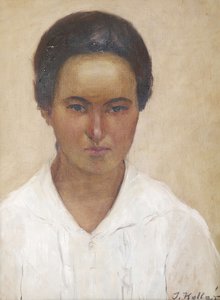
jozef kollár
1899 - 1982 , Slovakia
Основные сведения
- Artistic Movement Or Style: Harlem Renaissance
- Artists Or Movements Influenced By This Artist:
- Romare Bearden
- Jacob Lawrence
- Artists Who Influenced This Artist:
- Paul Gauguin
- Claude Monet
- Date Of Birth: May 26, 1899
- Date Of Death: 1982
- Full Name: Aaron Douglas
- Nationality: American
- Notable Artworks:
- Love Letters from the Harlem Renaissance
- Migration Paintings
- Place Of Birth: Topeka, Kansas, USA