

 Предпросмотр
 Поделиться
 Поделиться
 Детали произведения

 Скачать
 Похожие работы
 Рентгенография
 Слайд-шоу
 Статистика
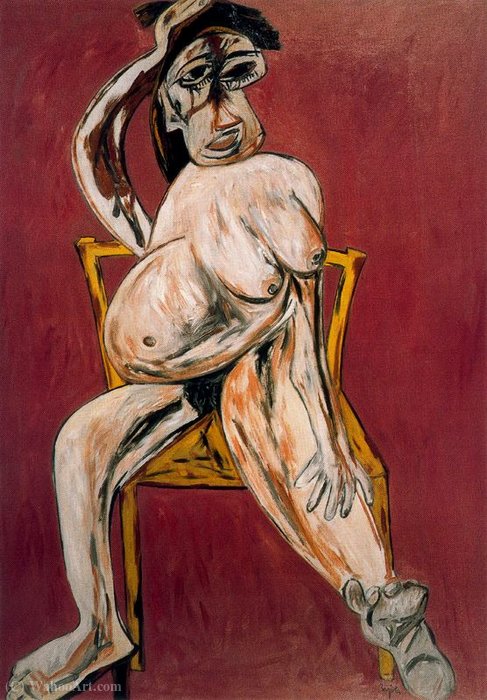
Untitled (129)
 Читать далее
Масляная репродукция ручной работы
Картина маслом на холсте в выбранном вами размере и раме, написанная на заказ нашими художниками. ( Перейти к печати Перейти к цифровым изображениям)




































Выберите один из наших стандартных размеров, соответствующих оригинальным пропорциям произведения искусства.

Вы можете указать собственные размеры, чтобы картина идеально вписалась в выбранную раму или пространство. Если выбранный вами размер не соответствует пропорциям оригинала, мы либо обрежем полотно, либо расширим его за счет дополнительных элементов, написанных вручную. Цифровой макет будет отправлен вам на утверждение перед началом производства.
Обратите внимание, что предварительный просмотр на экране не отражает фактическую обрезку или расширение. Только макет точно покажет окончательную композицию.
Хотя доступны индивидуальные размеры, мы рекомендуем выбирать вариант из предопределенного списка, чтобы сохранить исходные пропорции.
После оформления заказа команда ArtsDot.com свяжется с клиентом по электронной почте для уточнения деталей и предоставит предварительный макет
Доставка по всему миру () за 3–4 недели вместо стандартных 5 недель. (12 Сентябрь). Без компромиссов в качестве.

Бесплатная экспресс-доставка по всему миру

Высококачественный льняной холст

Полное страхование доставки

Гарантия возмещения таможенных пошлин

Гарантия точного соответствия цветов

100-дневная политика возврата (только при обнаружении дефектов)

Гарантия возврата 100% средств

Предложение оптовых скидок
 Вариант со стеклом доступен только для размеров менее 110 см

Untitled (129)
Техника репродукции
Размер репродукции
-


Итоговая стоимость
$ 263
Похожие произведения



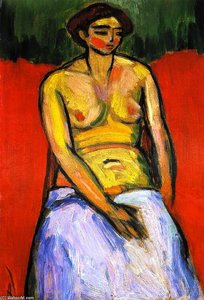
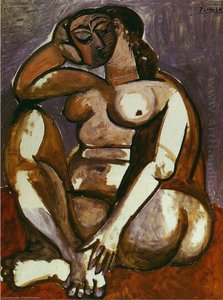


Биография художника
A Life Immersed in Form: The World of Juan Barjola
Juan Barjola (1919-2004) was a Spanish artist whose work defies easy categorization, existing at the fascinating intersection of Surrealism, Abstract Expressionism, and deeply personal symbolism. Born in Barcelona, a city brimming with artistic ferment, Barjola’s journey wasn't one of immediate recognition but rather a slow, deliberate unfolding of a unique visual language. He initially studied architecture, a discipline that would profoundly influence his later sculptural work, instilling within him a keen understanding of space, volume, and structural integrity. However, the pull of painting proved stronger, leading him to abandon formal architectural training in favor of pursuing artistic expression through color and form. The early years were marked by experimentation, absorbing influences from the burgeoning Surrealist movement while simultaneously developing a distinctly personal aesthetic rooted in Catalan identity and the tumultuous political climate of Spain.Early Influences and the Development of a Unique Style
The shadow of Pablo Picasso loomed large over Spanish art during Barjola’s formative years, but rather than imitation, Picasso's example spurred him toward originality. Barjola wasn’t interested in replicating Cubism; instead, he sought to explore the emotional and psychological depths that lay beneath surface appearances. His early paintings often featured fragmented figures and dreamlike landscapes, hinting at a subconscious world grappling with themes of isolation, memory, and the anxieties of war. The Spanish Civil War cast a long pall over his generation, and while Barjola’s work wasn't overtly political in the propagandistic sense, it resonated with a profound sense of displacement and loss. He began to move away from purely representational forms, embracing abstraction as a means of conveying more complex emotional states. This period saw him experimenting with texture, layering paint thickly onto the canvas, creating surfaces that were both tactile and visually arresting. His use of color was particularly striking—often muted and earthy, punctuated by bursts of vibrant intensity, reflecting the raw energy and underlying tensions within his compositions.Sculpture as Extension of Painting: A Synthesis of Form and Space
The 1950s marked a pivotal turning point in Barjola’s career with his increasing focus on sculpture. He viewed sculpture not as a separate discipline from painting, but rather as an extension of it—a three-dimensional manifestation of the forms and ideas he explored on canvas. His sculptures are characterized by their biomorphic shapes, often resembling organic structures or abstracted human figures. They frequently incorporate found objects, imbuing them with new meaning and challenging traditional notions of artistic materials. Barjola’s architectural background is readily apparent in his sculptural work, evident in the careful balance of weight, volume, and negative space. He often employed bronze as his primary medium, drawn to its inherent strength and ability to capture intricate detail. These sculptures weren't merely objects to be viewed; they were intended to be experienced—to be walked around, touched, and contemplated from multiple perspectives.Recognition and Legacy: A Captivating Voice in Spanish Art
Throughout the latter half of the 20th century, Barjola’s work gained increasing recognition both within Spain and internationally. He exhibited widely, participating in numerous group shows and solo exhibitions across Europe and the Americas. His art attracted the attention of prominent collectors and critics, solidifying his position as a significant figure in contemporary Spanish art. In 1976, he established the Juan Cabré Museum in Barcelona, dedicated to showcasing both his own work and that of other emerging artists.- The museum became a vital hub for artistic innovation
- It fostered dialogue between generations of artists
- It provided a platform for experimental art forms.
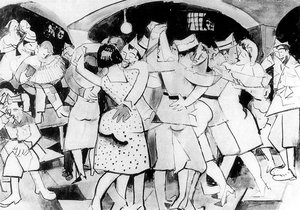
juan barjola
1919 - 2004
Основные сведения
- Artistic Movement Or Style: New Figuration
- Artists Or Movements Influenced By This Artist:
- Cubism
- Expressionism
- Artists Who Influenced This Artist:
- Julio Vicent
- Velázquez
- Goya
- Date Of Birth: September 1919
- Date Of Death: 2004
- Full Name: Juan Barjola
- Nationality: Spanish
- Notable Artworks:
- El pintor y el perro
- Woman in yellow
- Place Of Birth: Badajoz, Spain