

 Предпросмотр
 Поделиться
 Поделиться
 Детали произведения

 Скачать
 Похожие работы
 Рентгенография
 Слайд-шоу
 Статистика
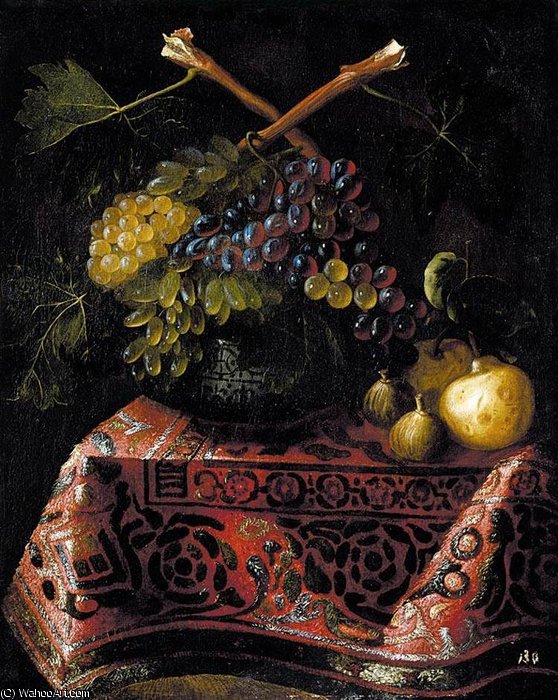
Life of Fruit
 Читать далее
Масляная репродукция ручной работы
Картина маслом на холсте в выбранном вами размере и раме, написанная на заказ нашими художниками. ( Перейти к печати Перейти к цифровым изображениям)




































Выберите один из наших стандартных размеров, соответствующих оригинальным пропорциям произведения искусства.

Вы можете указать собственные размеры, чтобы картина идеально вписалась в выбранную раму или пространство. Если выбранный вами размер не соответствует пропорциям оригинала, мы либо обрежем полотно, либо расширим его за счет дополнительных элементов, написанных вручную. Цифровой макет будет отправлен вам на утверждение перед началом производства.
Обратите внимание, что предварительный просмотр на экране не отражает фактическую обрезку или расширение. Только макет точно покажет окончательную композицию.
Хотя доступны индивидуальные размеры, мы рекомендуем выбирать вариант из предопределенного списка, чтобы сохранить исходные пропорции.
После оформления заказа команда ArtsDot.com свяжется с клиентом по электронной почте для уточнения деталей и предоставит предварительный макет
Доставка по всему миру () за 3–4 недели вместо стандартных 5 недель. (12 Сентябрь). Без компромиссов в качестве.

Бесплатная экспресс-доставка по всему миру

Высококачественный льняной холст

Полное страхование доставки

Гарантия возмещения таможенных пошлин

Гарантия точного соответствия цветов

100-дневная политика возврата (только при обнаружении дефектов)

Гарантия возврата 100% средств

Предложение оптовых скидок
 Вариант со стеклом доступен только для размеров менее 110 см

Life of Fruit
Техника репродукции
Размер репродукции
-


Итоговая стоимость
$ 263
Похожие произведения
Биография художника
Juan Bautista de Espinosa (1590 – 1641): Bridging Flemish Brilliance and Spanish Baroque
Juan Bautista de Espinosa remains an enigmatic figure in the annals of Spanish Baroque art, largely obscured by confusion surrounding multiple artists sharing his name during a prolific period. Despite scarce biographical details—primarily gleaned from documentation in Madrid between 1608 and 1613—scholars recognize him as a pivotal artist who skillfully blended Flemish influences with distinctly Spanish stylistic sensibilities. His marriage to María de Aranda in 1612 solidified his domestic life, adding a son named Juan to the family lineage. This younger Juan, possibly more celebrated for his still lifes, continued artistic endeavors into 1659, demonstrating a sustained commitment to his craft.Early Life and Training
Information regarding Espinosa’s birthplace is elusive; however, he was born around 1590 in Spain. Precise details about his formative years are scant, reflecting the common practice of artists concealing personal histories during their time. He honed his skills as a gilder, undertaking significant commissions for altarpieces—a vocation that would inform much of his artistic vision and technique. His involvement with the Brotherhood of San Sebastián in Madrid further cemented his connection to religious patronage and established him within the influential artistic circles of the era.Style and Technique: A Flemish Echo
Espinosa’s oeuvre is characterized by a remarkable stylistic kinship with Juan van der Hamen, the Younger—a relationship marked by shared compositional strategies and an unwavering dedication to meticulous realism. Like van der Hamen, Espinosa prioritized order and symmetry in his paintings, meticulously arranging objects within carefully constructed spaces. His masterful use of glazing techniques—particularly translucent layers of pigment—created luminous surfaces that captured subtle tonal variations and imbued his works with a palpable sense of atmosphere. This approach distinguishes him from many contemporaries who favored looser brushstrokes and less nuanced color palettes.Notable Works and Commissions
Espinosa’s artistic output encompassed a diverse range of subjects, predominantly still lifes depicting fruit, flowers, and occasionally silver vessels—a genre that flourished during the Baroque period. He undertook commissions for ecclesiastical institutions, notably valuing the altarpiece of Alcaudete de la Jara, demonstrating his reputation as a respected craftsman and artist. Furthermore, he collaborated with Francisco de Burgos Mantilla on a letter of dowry in 1645, showcasing his involvement within the broader artistic community. His paintings—including “Still Life with Grapes, Flowers and Shells,” “Still-Life of Fruit and a Plate of Olives,” and “Still-Life with Shell Fountain and Flowers”—are housed in prominent museums across Spain, notably the Museo Nacional Prado and Museo de Córdoba, offering invaluable insights into his artistic legacy.Legacy and Historical Significance
Despite the challenges posed by biographical uncertainties, Espinosa’s contribution to Spanish Baroque painting is undeniable. He stands as a crucial link between Flemish realism—particularly van der Hamen's influence—and the evolving aesthetic conventions of Spain during the 17th century. His meticulous attention to detail and his masterful manipulation of light and color elevated still life painting to new heights, establishing him as one of the foremost practitioners of this genre. Today, reproductions of Espinosa’s works continue to captivate audiences worldwide, preserving a testament to his artistic brilliance and enduring fascination with capturing the beauty and fragility of the natural world.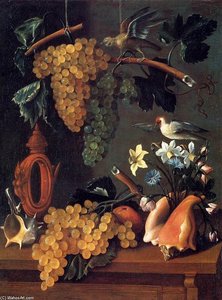
Juan Bautista de Espinosa
1590 - 1641 , Spain
Основные сведения
- Artistic Movement Or Style: Baroque
- Artists Or Movements Influenced By This Artist: ['Flemish Baroque']
- Artists Who Influenced This Artist: ['Juan van der Hamen']
- Date Of Death: 1641
- Full Name: Juan Bautista de Espinosa
- Nationality: Spanish
- Notable Artworks:
- Still-Life with Grapes, Flowers and Shells
- Still-Life of Fruit and a Plate of Olives
- Still-Life with Shell Fountain and Flowers
- Place Of Birth: Spain