

 Предпросмотр
 Поделиться
 Поделиться
 Детали произведения

 Скачать
 Похожие работы
 Рентгенография
 Слайд-шоу
 Статистика
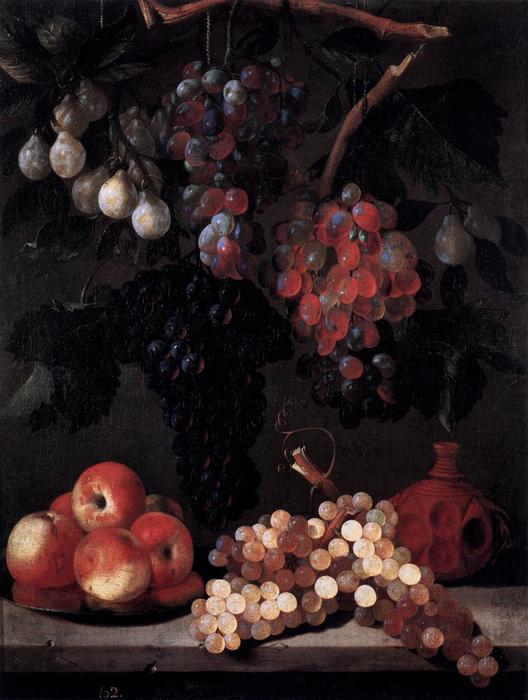
Still-Life of Fruit
 76.0 x 59.0 cm
 Музей Прадо
 Читать далее
Приобретите цифровое изображение высокого разрешения в улучшенном качестве, которое значительно превосходит онлайн-превью.
Каждый файл тщательно подготавливается нашими специалистами с использованием передовых инструментов и экспертной ручной ретуши. Мы гарантируем исключительную четкость, точную цветопередачу и детальную проработку каждого изображения.
Финальный файл доставляется по электронной почте в течение 72 часов и оптимизирован для немедленного использования в профессиональной среде, при верстке и печати. Это тот же уровень качества, которому доверяют ведущие дизайнерские студии, издательства и галереи.
Цифровое изображение
Скачайте файл высокого разрешения для личного использования, печати и творческих проектов. ( Перейти к печати Купить картину ручной работы)
Включено в каждый заказ цифровых изображений
Гарантия экспертной цифровой доставки
Выбирая ArtsDot.com, вы получаете не просто изображение — вы приобретаете профессионально обработанное цифровое произведение искусства, созданное с безупречной точностью и под защитой гарантии качества. Вот всё, что автоматически входит в ваш заказ:

Мгновенная доставка по e-mail
Ваш цифровой файл в высоком разрешении будет отправлен вам по электронной почте в течение 72 часов после оформления заказа — и сразу станет доступен для использования.

Цифровой файл с ИИ-улучшением
Ваше произведение искусства проходит профессиональную оптимизацию с использованием передовых инструментов ИИ и ручной обработки, что гарантирует максимальную детализацию, четкость и точность цветопередачи.

Бессрочная бесплатная повторная доставка
Случайно удалили или потеряли файл? Не беспокойтесь — мы отправим его вам повторно в любое время и совершенно бесплатно.

Без импортных пошлин — навсегда
Наслаждайтесь вашим произведением искусства мгновенно без таможенных пошлин, сборов или затрат на доставку — цифровые загрузки всегда не облагаются налогом.

Гарантия точности цветопередачи
Мы гарантируем, что ваше цифровое изображение максимально точно передает оригинальные цвета благодаря использованию профессиональных инструментов и систем управления цветом.

Гарантия удовлетворенности 100 дней
Если вы не будете удовлетворены своим цифровым изображением, мы внесем правки или вернем 100% стоимости в течение 100 дней — без лишних вопросов.

100% Гарантия возврата средств
Не удовлетворены покупкой? Получите полный возврат средств в течение 100 дней после получения цифрового файла — без лишних вопросов.

Скидки на оптовые заказы
Купите 3 изображения, сэкономьте 10% — Купите 5, сэкономьте 15% — Купите 10+, сэкономьте 20%. Отличное решение для творческих проектов, галерей и агентств.
Похожие произведения








Биография художника
Juan Bautista de Espinosa (1590 – 1641): Bridging Flemish Brilliance and Spanish Baroque
Juan Bautista de Espinosa remains an enigmatic figure in the annals of Spanish Baroque art, largely obscured by confusion surrounding multiple artists sharing his name during a prolific period. Despite scarce biographical details—primarily gleaned from documentation in Madrid between 1608 and 1613—scholars recognize him as a pivotal artist who skillfully blended Flemish influences with distinctly Spanish stylistic sensibilities. His marriage to María de Aranda in 1612 solidified his domestic life, adding a son named Juan to the family lineage. This younger Juan, possibly more celebrated for his still lifes, continued artistic endeavors into 1659, demonstrating a sustained commitment to his craft.Early Life and Training
Information regarding Espinosa’s birthplace is elusive; however, he was born around 1590 in Spain. Precise details about his formative years are scant, reflecting the common practice of artists concealing personal histories during their time. He honed his skills as a gilder, undertaking significant commissions for altarpieces—a vocation that would inform much of his artistic vision and technique. His involvement with the Brotherhood of San Sebastián in Madrid further cemented his connection to religious patronage and established him within the influential artistic circles of the era.Style and Technique: A Flemish Echo
Espinosa’s oeuvre is characterized by a remarkable stylistic kinship with Juan van der Hamen, the Younger—a relationship marked by shared compositional strategies and an unwavering dedication to meticulous realism. Like van der Hamen, Espinosa prioritized order and symmetry in his paintings, meticulously arranging objects within carefully constructed spaces. His masterful use of glazing techniques—particularly translucent layers of pigment—created luminous surfaces that captured subtle tonal variations and imbued his works with a palpable sense of atmosphere. This approach distinguishes him from many contemporaries who favored looser brushstrokes and less nuanced color palettes.Notable Works and Commissions
Espinosa’s artistic output encompassed a diverse range of subjects, predominantly still lifes depicting fruit, flowers, and occasionally silver vessels—a genre that flourished during the Baroque period. He undertook commissions for ecclesiastical institutions, notably valuing the altarpiece of Alcaudete de la Jara, demonstrating his reputation as a respected craftsman and artist. Furthermore, he collaborated with Francisco de Burgos Mantilla on a letter of dowry in 1645, showcasing his involvement within the broader artistic community. His paintings—including “Still Life with Grapes, Flowers and Shells,” “Still-Life of Fruit and a Plate of Olives,” and “Still-Life with Shell Fountain and Flowers”—are housed in prominent museums across Spain, notably the Museo Nacional Prado and Museo de Córdoba, offering invaluable insights into his artistic legacy.Legacy and Historical Significance
Despite the challenges posed by biographical uncertainties, Espinosa’s contribution to Spanish Baroque painting is undeniable. He stands as a crucial link between Flemish realism—particularly van der Hamen's influence—and the evolving aesthetic conventions of Spain during the 17th century. His meticulous attention to detail and his masterful manipulation of light and color elevated still life painting to new heights, establishing him as one of the foremost practitioners of this genre. Today, reproductions of Espinosa’s works continue to captivate audiences worldwide, preserving a testament to his artistic brilliance and enduring fascination with capturing the beauty and fragility of the natural world.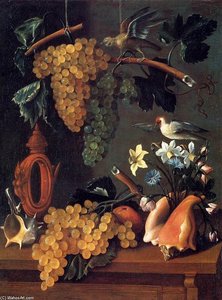
Juan Bautista de Espinosa
1590 - 1641 , Spain
Основные сведения
- Artistic Movement Or Style: Baroque
- Artists Or Movements Influenced By This Artist: ['Flemish Baroque']
- Artists Who Influenced This Artist: ['Juan van der Hamen']
- Date Of Death: 1641
- Full Name: Juan Bautista de Espinosa
- Nationality: Spanish
- Notable Artworks:
- Still-Life with Grapes, Flowers and Shells
- Still-Life of Fruit and a Plate of Olives
- Still-Life with Shell Fountain and Flowers
- Place Of Birth: Spain