

 Предпросмотр
 Поделиться
 Поделиться
 Детали произведения

 Скачать
 Похожие работы
 Рентгенография
 Слайд-шоу
 Статистика
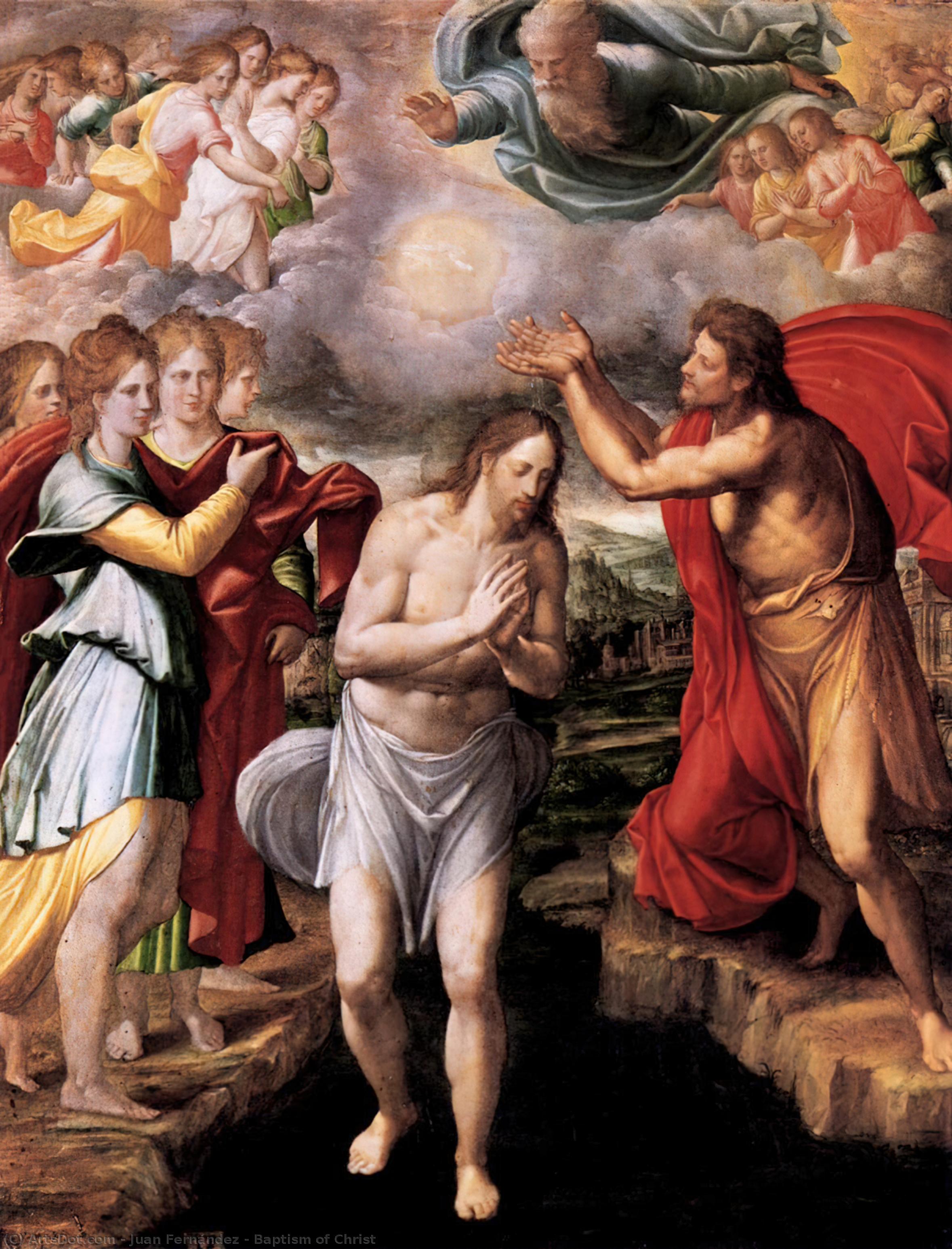
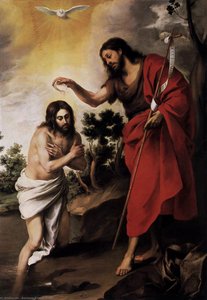
Baptism of Christ
 Oil On Canvas
- WallArt
- Mannerism
 1568
1568- Early Modern
 49.0 x 37.0 cm
 Музей Прадо
 Читать далее
Приобретите цифровое изображение высокого разрешения в улучшенном качестве, которое значительно превосходит онлайн-превью.
Каждый файл тщательно подготавливается нашими специалистами с использованием передовых инструментов и экспертной ручной ретуши. Мы гарантируем исключительную четкость, точную цветопередачу и детальную проработку каждого изображения.
Финальный файл доставляется по электронной почте в течение 72 часов и оптимизирован для немедленного использования в профессиональной среде, при верстке и печати. Это тот же уровень качества, которому доверяют ведущие дизайнерские студии, издательства и галереи.
Цифровое изображение
Скачайте файл высокого разрешения для личного использования, печати и творческих проектов. ( Перейти к печати Купить картину ручной работы)
Включено в каждый заказ цифровых изображений
Гарантия экспертной цифровой доставки
Выбирая ArtsDot.com, вы получаете не просто изображение — вы приобретаете профессионально обработанное цифровое произведение искусства, созданное с безупречной точностью и под защитой гарантии качества. Вот всё, что автоматически входит в ваш заказ:

Мгновенная доставка по e-mail
Ваш цифровой файл в высоком разрешении будет отправлен вам по электронной почте в течение 72 часов после оформления заказа — и сразу станет доступен для использования.

Цифровой файл с ИИ-улучшением
Ваше произведение искусства проходит профессиональную оптимизацию с использованием передовых инструментов ИИ и ручной обработки, что гарантирует максимальную детализацию, четкость и точность цветопередачи.

Бессрочная бесплатная повторная доставка
Случайно удалили или потеряли файл? Не беспокойтесь — мы отправим его вам повторно в любое время и совершенно бесплатно.

Без импортных пошлин — навсегда
Наслаждайтесь вашим произведением искусства мгновенно без таможенных пошлин, сборов или затрат на доставку — цифровые загрузки всегда не облагаются налогом.

Гарантия точности цветопередачи
Мы гарантируем, что ваше цифровое изображение максимально точно передает оригинальные цвета благодаря использованию профессиональных инструментов и систем управления цветом.

Гарантия удовлетворенности 100 дней
Если вы не будете удовлетворены своим цифровым изображением, мы внесем правки или вернем 100% стоимости в течение 100 дней — без лишних вопросов.

100% Гарантия возврата средств
Не удовлетворены покупкой? Получите полный возврат средств в течение 100 дней после получения цифрового файла — без лишних вопросов.

Скидки на оптовые заказы
Купите 3 изображения, сэкономьте 10% — Купите 5, сэкономьте 15% — Купите 10+, сэкономьте 20%. Отличное решение для творческих проектов, галерей и агентств.
The Divine Encounter: A Study in Spiritual Drama
Before you stands a breathtaking vision of spiritual fervor—the Baptism of Christ. This masterpiece captures not merely an event, but a profound moment of divine transition. The composition is alive with energy; the gentle flow of the Jordan River seems to mirror the surging emotion surrounding the central figures. At its heart, we witness John the Baptist guiding Jesus through the sacred waters, an act that marks the beginning of Christ's public ministry. Look closely at the interaction between the three primary elements: the water, the men, and the celestial presence above. The artist has masterfully orchestrated this scene to feel both monumental in scope and intensely intimate in its spiritual weight.
Navarrete’s Mastery of Mannerist Drama
Painted around 1568 by Juan Fernández de Navarrete, this work is a quintessential example of Spanish Mannerism. Navarrete, known reverently as “El Mudo,” channeled the dramatic intensity characteristic of the period while remaining deeply devoted to religious narrative. His technique allows for a dynamic tension; notice how the figures are arranged—they do not rest statically but seem caught in a moment of unfolding revelation. The handling of light is particularly noteworthy, illuminating key gestures and faces while allowing the surrounding atmosphere, filled with dramatic clouds, to recede into sublime mystery. This skilled use of composition elevates the scene from mere depiction to an almost palpable spiritual experience.
Symbolism Woven into the Canvas
The symbolism here is rich and multilayered, inviting contemplation from every viewing angle. The baptism itself symbolizes purification, rebirth, and the acceptance of a divine mission. Above the figures, the scattering angels are not mere decoration; they represent the heavenly acknowledgment of this pivotal moment—a visual chorus praising the incarnation. Furthermore, the contrast between the earthly setting of the river and the ethereal glow emanating from above creates a powerful dialogue between humanity and divinity. For the collector or decorator, this piece offers more than just ornamentation; it offers a focal point for contemplation.
Bringing Sacred Grandeur Home
To bring such profound artistic gravity into your own space requires an appreciation for both history and execution. A reproduction of this size (49 x 37 cm) allows the drama to breathe, presenting the narrative scope without overwhelming a room's scale. When considering acquiring this piece, remember that you are inviting home a segment of Spain’s Golden Age devotion—a work steeped in the piety and dramatic flair of the High Renaissance transitioning into Mannerism. It serves as an immediate conversation starter, drawing viewers into its timeless mystery and compelling them to pause, reflect, and feel the weight of sacred history.
Похожие произведения


Биография художника
The Silent Master of the Spanish Golden Age
In the grand, echoing halls of Spain’s architectural marvels, the name Juan Fernández Navarrete resonates with a quiet but profound power. Known to history by the evocative moniker “El Mudo”—The Mute—Navarrete lived a life defined by a unique sensory experience. An illness in his infancy had robbed him of his hearing, a condition that rendered him unable to speak but gifted him with an extraordinary visual vocabulary. Where words failed, his charcoal sketches and vibrant pigments spoke, allowing him to communicate the divine through the language of light and form. Born around 1526, likely in Logroño, his journey from a silent child expressing needs through sketches to a celebrated court painter is one of the most compelling narratives of the Spanish Renaissance.
Navarrete’s artistic evolution was deeply intertwined with the movement of ideas across Europe. While his roots were firmly planted in the Spanish tradition, his spirit wandered through the great art centers of Italy. His early training under Cristóbal Muñoz Sánchez provided a sturdy classical foundation, yet it was his exposure to the masters of the Italian Renaissance that truly ignited his genius. As he traversed Naples, Rome, Florence, and Milan, he absorbed the sophisticated elegance of Mannerism. This stylistic choice—characterized by elongated figures, dramatic tension, and an intentional departure from strict naturalism—became the hallmark of his mature work. He did not merely copy the Italians; he translated their grace into a Spanish idiom that felt both spiritually urgent and aesthetically sublime.
A Devotion to El Escorial and the Divine
The zenith of Navarrete’s career was inextricably linked to the ambitions of Philip II. As a favored court artist, Navarrete dedicated eleven pivotal years to the decoration of El Escorial, the monumental palace-monastery that served as the spiritual heart of the Spanish Empire. Within this austere and magnificent complex, he breathed life into religious narratives, transforming cold stone walls into windows to the heavens. His work for the King was not merely decorative; it was an act of profound devotion. He utilized the expressive potential of Mannerism to create altarpieances and frescoes that commanded awe, employing a palette that could shift from the radiant, celestial glow seen in his Nativity to the somber, introspective shadows of his more penitential subjects.
His technical mastery allowed him to weave complex theological themes into visually arresting compositions. One can observe the lingering influence of Correggio in the soft, luminous light that seems to emanate from within his figures, and the structural elegance of Parmigianino in his stylized silhouettes. His ability to manipulate light—a technique known as chiaroscuro—served to heighten the emotional stakes of his religious scenes, making the miraculous feel tangibly present. Whether depicting the baptismal waters of Christ or the celestial visitation of angels to Abraham, Navarrete’s brush captured the tension between the earthly and the divine.
Legacy of a Silent Visionary
Though his life was cut short in 1579 at the age of approximately fifty-three, the impact of Juan Fernández Navarrete remains etched in the history of European art. He served as a vital conduit, helping to spread the sophisticated influences of the Italian Renaissance throughout the Iberian Peninsula, effectively shaping the trajectory of the Spanish Golden Age. His works, now preserved in prestigious institutions such as the Prado Museum and the National Gallery of Ireland, continue to captivate viewers with their rhythmic compositions and emotional depth.
The significance of Navarrete lies in his ability to transcend his physical silence to create a visual symphony. His legacy is found in:
- The Integration of Styles: Successfully blending Spanish piety with the sophisticated elegance of Italian Mannerism.
- Royal Patronage: Defining the aesthetic identity of Philip II’s most important architectural project, El Escorial.
- Spiritual Expression: Using dramatic lighting and stylized forms to communicate complex religious truths to a wide audience.
In the annals of art history, El Mudo stands as a testament to the power of perception. He proved that even without a voice, an artist can command the attention of kings and the devotion of the faithful, leaving behind a visual legacy that speaks across the centuries.
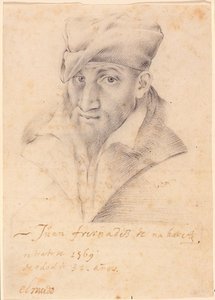
juan fernández de navarrete
1526 - 1579
Основные сведения
- Artistic Movement Or Style: Mannerism
- Artists Or Movements Influenced By This Artist: ['Italian Renaissance']
- Artists Who Influenced This Artist:
- Correggio
- Titian
- Date Of Birth: 1526
- Date Of Death: 1579
- Full Name: Juan Fernández Navarrete
- Nationality: Spanish
- Notable Artworks:
- Nativity
- Baptism of Christ
- Abraham Receiving the Three Angels
- Place Of Birth: Spain