

 Предпросмотр
 Поделиться
 Поделиться
 Детали произведения

 Скачать
 Похожие работы
 Рентгенография
 Слайд-шоу
 Статистика
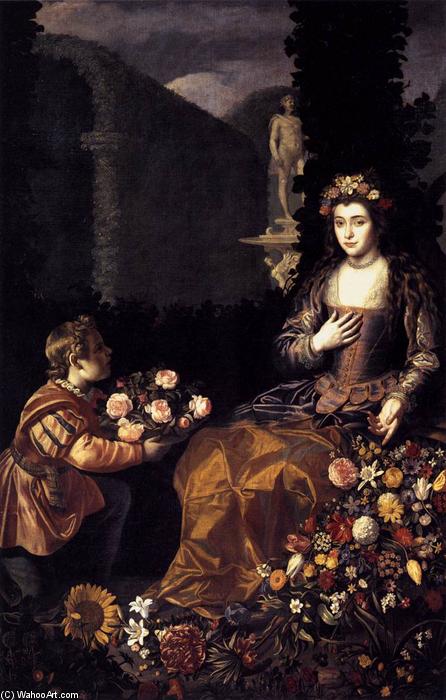
Offering to Flora
 Oil On Canvas
- WallArt
- Baroque
 1627
1627 216.0 x 140.0 cm
 Музей Прадо
 Читать далее
Жикле / Арт-принт
Печать (жикле) или холст музейного качества с быстрыми сроками изготовления и широким выбором вариантов отделки. ( Купить картину ручной работы Перейти к цифровым изображениям)




P118B $10

P118H $10

P118W $10

P438Z $10

P508JH $12

P508YH $12

P805H $10

P805Z $10

P919BZ $10

P919G $10

P919XJ $10

P959ZH $10

P968JZ $12

W106C $8

W218G $10

W218JH $8

W218Y $10

W307PJ $10

W316G $10

W316PJ $8

W316Y $10

W398PJ $8

W4111J $10

W500HY $15

W500JH $15

W692G $12

W849H $8

W940BG $15

W953PJ $8




Выберите один из наших стандартных размеров, соответствующих оригинальным пропорциям произведения искусства.

Вы можете указать свои собственные размеры, чтобы репродукция идеально подошла под конкретную раму или пространство. Если выбранный вами размер не будет соответствовать пропорциям оригинала, мы либо обрежем произведение, либо дополним изображение зеркальным отражением краев или однотонной заливкой. Перед началом производства вам будет отправлен цифровой макет для утверждения.
Пожалуйста, обратите внимание, что предварительный просмотр на экране не отображает фактическую обрезку или расширение изображения. Только макет точно покажет финальную композицию.
Несмотря на возможность заказа индивидуальных размеров, мы рекомендуем выбирать размер из предопределенного списка, чтобы сохранить оригинальные пропорции.
Доставка по всему миру () за 2 недели вместо стандартных 4/5 недель. (11 Сентябрь)

Бесплатная экспресс-доставка по всему миру

Высококачественный льняной холст

Полное страхование доставки

Гарантия возмещения таможенных пошлин

Гарантия точного соответствия цветов

100-дневная политика возврата (только при обнаружении дефектов)

Гарантия возврата 100% средств

Предложение оптовых скидок
 Вариант со стеклом доступен только для размеров менее 110 см

Offering to Flora
Жикле / Арт-принт
Размер репродукции
-


Итоговая стоимость
$ 62
Offering to Flora - A Baroque Masterpiece
Juan van der Hamen y León’s “Offering to Flora” (1627) stands as a testament to the grandeur and sophistication of Baroque art, specifically within the context of Madrid during Philip II’s reign. This oil painting transcends mere representation; it embodies an idealized vision of aristocratic life intertwined with profound symbolic meaning.
- Subject Matter: The artwork depicts a young man presenting flowers to a seated woman in a meticulously crafted garden setting. The figures are positioned at the apex of a pyramidal composition, emphasizing nobility and serenity.
- Style: Clearly rooted in Baroque aesthetics, “Offering to Flora” showcases dramatic chiaroscuro—the interplay of light and shadow—creating an atmosphere of theatrical intensity. Curved lines dominate the drapery and foliage, contributing to an elegant dynamism that contrasts with the stillness of the figures.
- Technique: Van der Hamen’s masterful brushwork demonstrates exceptional skill in capturing textures and achieving a remarkable level of realism. The smooth, polished surfaces of skin tones and fabrics underscore the meticulous attention to detail characteristic of oil painting during this period.
The garden itself serves as more than just a backdrop; it symbolizes paradise—a realm of beauty, fertility, and divine grace—reflecting humanist ideals prevalent in 17th-century Europe. The flowers – lilies, roses, and violets – are laden with symbolic significance, representing purity, love, and remembrance. The statue, subtly incorporated into the composition, embodies classical notions of virtue and intellectual contemplation.
Furthermore, “Offering to Flora” exemplifies the Baroque fascination with emotion and grandeur. The dramatic lighting casts deep shadows, highlighting facial expressions and conveying a palpable sense of intimacy. The artist’s deliberate use of color—rich reds, golds, and greens—amplifies the visual impact and reinforces the painting's opulent aesthetic.
Researchers have noted that “Offering to Flora” aligns with broader trends in Spanish genre painting during the Golden Age. Studies indicate its influence on subsequent artists and its enduring appeal as a symbol of aristocratic refinement and artistic excellence. Its meticulous technique and evocative imagery continue to inspire admiration among connoisseurs and collectors alike.
Похожие произведения
Биография художника
The Architect of Stillness
In the vibrant, sun-drenched atmosphere of 17th-century Madrid, a new visual language was being forged, and at its heart stood Juan van der Hamen y León. While the era is often remembered for its grand religious epics and sweeping historical dramas, Van der Hamen achieved immortality through a much more intimate medium: the bodegón. During the 1620s, he emerged as a transformative figure, elevating the still life from simple culinary documentation to a sophisticated genre of profound symbolic depth and technical mastery. His ability to capture the quiet dignity of inanimate objects allowed him to command the attention of the Spanish crown, earning him prestigious positions as an unsalaried painter to the courts of both Philip III and Philip IV. Through his brush, the humble textures of everyday life were transformed into objects of royal contemplation.A Heritage of Precision and Versatility
The artist’s unique aesthetic was deeply rooted in a complex and rich lineage that blended Northern European precision with Spanish soul. Born in Madrid around 1596, he was the son of Jan van der Hamen, a Flemish courtier, and Dorotea Witman Gómez de León, whose noble Toledan ancestry provided him with deep Spanish roots. This fusion of Flemish meticulousness and Spanish dramatic sensibility became the hallmark of his technique. While he is most celebrated for his still lifes, Van der Hamen was a remarkably versatile talent, refusing to be confined by a single subject matter. His prolific output spanned a wide array of disciplines, including:- Religious History Paintings created for the grand churches and convents of Spain.
- Landscapes and Portraits which demonstrated his command over light, atmosphere, and human character.
The Legacy of a Brief Brilliance
Despite the tragic brevity of his life, which ended in 1631 at the age of only thirty-five, Van der Hamen’s impact on the Spanish Baroque cannot be overstated. He did not merely paint objects; he orchestrated them. In his works, one finds a breathtaking interplay of light and shadow, where the delicate translucency of glassware meets the heavy, tactile reality of earthenware and ripe fruit. His mastery of texture and composition set a standard that would influence generations of Spanish painters to come. Though his career was a fleeting moment in history, the silent, beautiful worlds he created continue to resonate, offering a window into the refined elegance and profound stillness of a golden age in Spanish art. He remains a master who taught us that even in the most motionless subject, there is a life waiting to be discovered.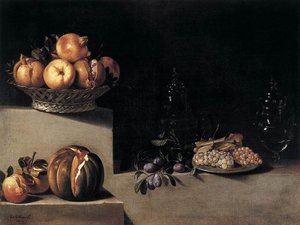
juan van der hamen y leon
1596 - 1631
Основные сведения
- Artistic Movement Or Style: Still life (Bodegones)
- Artists Or Movements Influenced By This Artist: Popularized Madrid still life
- Date Of Birth: 1596
- Date Of Death: 1631
- Full Name: Juan van der Hamen y León
- Nationality: Spanish
- Place Of Birth: Madrid, Spain
Похожие статьи

Топ-10 шедевров Раннего Нидерландского Возрождения: искусство для вашего дома
Погрузитесь в мир Раннего Нидерландского Возрождения! Узнайте истории создания шедевров Яна ван Эйка, Кампена и других великих мастеров. Купите высококачественные репродукции картин для вашего интерьера на ArtsDot.com.

10 Шедевров Раннего Нидерландского Живописи: История Искусства в Вашем Интерьере
Погрузитесь в мир Раннего нидерландского живописи! Откройте 10 шедевров Яна ван Эйка, Рогира ван дер Вейдена и других мастеров. История искусства, техника исполнения и вдохновение для вашего интерьера на ArtsDot.com.
Hugo van der Goes: Devotion, Innovation & the Psychological Depth of Early Netherlandish Painting
Explore the revolutionary art of Hugo van der Goes – a master of Early Netherlandish painting renowned for his dramatic realism, psychological depth & profound influence on Renaissance artists. Discover his iconic works and lasting legacy.
Rogier van der Weyden: Emotion, Innovation & the Early Netherlandish Renaissance
Explore the revolutionary art of Rogier van der Weyden, a pivotal figure of the Early Netherlandish Renaissance. Discover his emotional realism, innovative compositions, and lasting impact on painting history.

Рембрандт ван Рейн: Топ-25 шедевров великого голландского мастера | ArtsDot
Погрузитесь в мир великого Рембрандта! 25 шедевров голландского барокко, истории создания картин и уникальные техники художника. Купите репродукции картин Рембрандта высочайшего качества для вашего интерьера на ArtsDot.com