

 Предпросмотр
 Поделиться
 Поделиться
 Детали произведения

 Скачать
 Похожие работы
 Рентгенография
 Слайд-шоу
 Статистика
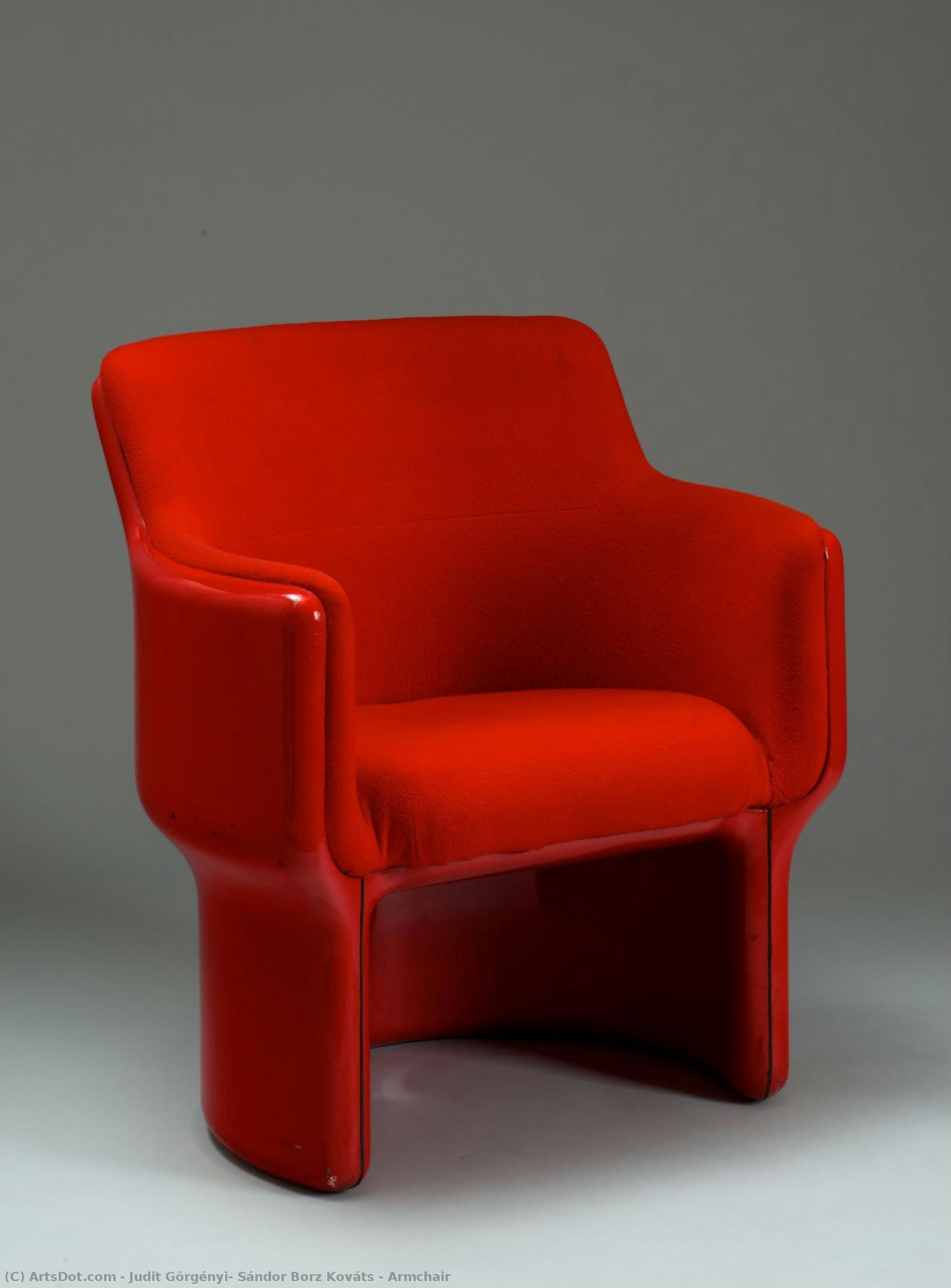
Armchair
 1969
1969 72.0 x 64.0 cm
 Музей прикладного искусства
 Читать далее
Масляная репродукция ручной работы
Картина маслом на холсте в выбранном вами размере и раме, написанная на заказ нашими художниками. ( Перейти к печати Перейти к цифровым изображениям)




































Выберите один из наших стандартных размеров, соответствующих оригинальным пропорциям произведения искусства.

Вы можете указать собственные размеры, чтобы картина идеально вписалась в выбранную раму или пространство. Если выбранный вами размер не соответствует пропорциям оригинала, мы либо обрежем полотно, либо расширим его за счет дополнительных элементов, написанных вручную. Цифровой макет будет отправлен вам на утверждение перед началом производства.
Обратите внимание, что предварительный просмотр на экране не отражает фактическую обрезку или расширение. Только макет точно покажет окончательную композицию.
Хотя доступны индивидуальные размеры, мы рекомендуем выбирать вариант из предопределенного списка, чтобы сохранить исходные пропорции.
После оформления заказа команда ArtsDot.com свяжется с клиентом по электронной почте для уточнения деталей и предоставит предварительный макет
Доставка по всему миру () за 3–4 недели вместо стандартных 5 недель. (12 Сентябрь). Без компромиссов в качестве.

Бесплатная экспресс-доставка по всему миру

Высококачественный льняной холст

Полное страхование доставки

Гарантия возмещения таможенных пошлин

Гарантия точного соответствия цветов

100-дневная политика возврата (только при обнаружении дефектов)

Гарантия возврата 100% средств

Предложение оптовых скидок
 Вариант со стеклом доступен только для размеров менее 110 см

Armchair
Техника репродукции
Размер репродукции
-


Итоговая стоимость
$ 263
Похожие произведения










Биография художника
Sándor Borz Kováts: A Pioneer of Standardized Design in a Time of Constraint
The story of Sándor Borz Kováts is one of remarkable ingenuity and quiet determination, a testament to the power of design to thrive even under the most challenging circumstances. Born in Hungary during a period of immense political and economic upheaval – the latter half of the 20th century marked by communist rule and a struggling industrial sector – Kováts emerged as a singular figure, a master craftsman who redefined the possibilities of mass-produced furniture and lighting with an almost obsessive dedication to functionality and aesthetic elegance. His work, often overlooked in mainstream design histories, represents a crucial chapter in Hungarian design history, showcasing a remarkable ability to innovate within severe limitations.
Kováts’s early life remains somewhat shrouded in the details of the era, but it's understood that he honed his skills initially as a furniture maker. The post-war years in Hungary presented a landscape where resources were scarce and traditional manufacturing processes were hampered by centralized planning. Yet, Kováts possessed an unwavering belief in the potential of standardized design – a concept gaining traction internationally at the time – to democratize access to well-designed objects for the average citizen. He envisioned a system where simple, robust pieces could be produced efficiently, offering both beauty and practicality without requiring specialized tools or extensive training.
The Vargánya Lamp Series: A Masterclass in Minimalism
Kováts’s most celebrated work is undoubtedly the “Vargánya” (Fox) lamp series, created in collaboration with his wife, Judit Görgényi. This iconic design, characterized by its sleek lines, geometric forms, and a subtle, almost animalistic curve, became instantly recognizable and remains highly sought after today. The Vargánya lamps were conceived as a modular system – individual components could be combined to create various lighting solutions – reflecting Kováts’s core philosophy of standardization. Crucially, the design was meticulously engineered for mass production using readily available materials like sheet metal and plastic, pushing the boundaries of what was considered achievable within Hungary's limited industrial capabilities.
The lamp’s success wasn’t simply due to its aesthetic appeal; it was a direct response to the practical needs of the time. Lighting was often unreliable or unavailable, and Kováts aimed to provide affordable, durable illumination for Hungarian homes. The Vargánya quickly became a symbol of hope and resilience, representing a small but significant step towards improving everyday life.
Technique and Innovation Under Pressure
Kováts’s design process was deeply rooted in the constraints he faced. He operated within a system where access to advanced machinery and materials was severely restricted. His brilliance lay in his ability to transform simple, inexpensive components into objects of considerable beauty and sophistication. He employed techniques like precise bending and shaping of sheet metal, combined with innovative fastening systems – often utilizing readily available screws and bolts – to achieve structural integrity and a clean, minimalist aesthetic. This resourceful approach is what truly distinguishes Kováts’s work; it's not about grand gestures or elaborate ornamentation, but rather the quiet triumph of ingenuity.
Furthermore, he meticulously documented his designs, creating detailed drawings and specifications that would serve as blueprints for mass production. This level of precision was essential given the lack of established manufacturing infrastructure in Hungary at the time. He essentially built a miniature factory within his workshop, demonstrating an entrepreneurial spirit rarely seen in the rigid confines of state-controlled industry.
Legacy and Historical Significance
Sándor Borz Kováts’s career tragically ended prematurely in 1973, succumbing to illness at the relatively young age of 33. Despite his untimely death, his legacy endures. His work represents a remarkable example of design thinking under duress – a testament to the power of creativity and resourcefulness in overcoming adversity. While largely unknown outside Hungary for many years, Kováts’s designs have recently experienced a resurgence of interest, recognized now as pioneering examples of minimalist industrial design.
His influence extends beyond his individual creations; he established a methodology for standardized design that continues to inspire contemporary designers working in resource-constrained environments. Kováts's story is not just about beautiful objects; it’s about the spirit of innovation, resilience, and the enduring power of design to shape our lives – even within the most restrictive circumstances.
judit görgényi, sándor borz kováts
1973 , Hungary
Основные сведения
- Artistic Movement Or Style: Industrial design
- Date Of Death: 1973
- Full Name: Judit Görgényi, Sándor Borz Kováts
- Nationality: Hungarian
- Notable Artworks:
- Table lamp (Vargánya series)
- Armchair
- Place Of Birth: Hungary