


 Предпросмотр
 Поделиться
 Поделиться
 Детали произведения

 Скачать
 Похожие работы
 Рентгенография
 Слайд-шоу
 Статистика
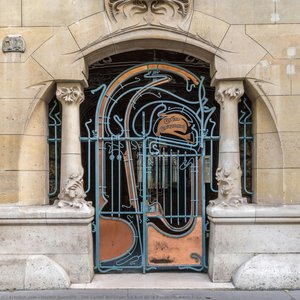
The door of the Lavirotte Building at 29 Avenue Rapp in Paris, France


 Читать далее
Приобретите цифровое изображение высокого разрешения в улучшенном качестве, которое значительно превосходит онлайн-превью.
Каждый файл тщательно подготавливается нашими специалистами с использованием передовых инструментов и экспертной ручной ретуши. Мы гарантируем исключительную четкость, точную цветопередачу и детальную проработку каждого изображения.
Финальный файл доставляется по электронной почте в течение 72 часов и оптимизирован для немедленного использования в профессиональной среде, при верстке и печати. Это тот же уровень качества, которому доверяют ведущие дизайнерские студии, издательства и галереи.
Цифровое изображение
Скачайте файл высокого разрешения для личного использования, печати и творческих проектов. ( Перейти к печати Купить картину ручной работы)
Включено в каждый заказ цифровых изображений
Гарантия экспертной цифровой доставки
Выбирая ArtsDot.com, вы получаете не просто изображение — вы приобретаете профессионально обработанное цифровое произведение искусства, созданное с безупречной точностью и под защитой гарантии качества. Вот всё, что автоматически входит в ваш заказ:

Мгновенная доставка по e-mail
Ваш цифровой файл в высоком разрешении будет отправлен вам по электронной почте в течение 72 часов после оформления заказа — и сразу станет доступен для использования.

Цифровой файл с ИИ-улучшением
Ваше произведение искусства проходит профессиональную оптимизацию с использованием передовых инструментов ИИ и ручной обработки, что гарантирует максимальную детализацию, четкость и точность цветопередачи.

Бессрочная бесплатная повторная доставка
Случайно удалили или потеряли файл? Не беспокойтесь — мы отправим его вам повторно в любое время и совершенно бесплатно.

Без импортных пошлин — навсегда
Наслаждайтесь вашим произведением искусства мгновенно без таможенных пошлин, сборов или затрат на доставку — цифровые загрузки всегда не облагаются налогом.

Гарантия точности цветопередачи
Мы гарантируем, что ваше цифровое изображение максимально точно передает оригинальные цвета благодаря использованию профессиональных инструментов и систем управления цветом.

Гарантия удовлетворенности 100 дней
Если вы не будете удовлетворены своим цифровым изображением, мы внесем правки или вернем 100% стоимости в течение 100 дней — без лишних вопросов.

100% Гарантия возврата средств
Не удовлетворены покупкой? Получите полный возврат средств в течение 100 дней после получения цифрового файла — без лишних вопросов.

Скидки на оптовые заказы
Купите 3 изображения, сэкономьте 10% — Купите 5, сэкономьте 15% — Купите 10+, сэкономьте 20%. Отличное решение для творческих проектов, галерей и агентств.
A Symphony of Stone and Flowing Lines: Exploring Lavirotte’s Doorway
The Lavirotte Building at 29 Avenue Rapp in Paris stands as a testament to the zenith of Art Nouveau architecture—a breathtaking façade that embodies the movement's core principles of organic beauty and meticulous craftsmanship. Captured in photographic documentation, this monumental doorway isn’t merely an entryway; it’s a sculptural masterpiece meticulously designed by Jules Aimé Lavirotte himself, cementing his legacy as one of Paris’s most celebrated architects.The Essence of Art Nouveau Style
Lavirotte's vision was firmly rooted in the Art Nouveau aesthetic—a deliberate rejection of academic conventions and an embrace of natural forms inspired by botanical illustrations and insect wings. The undulating curves dominate every surface, creating a mesmerizing visual rhythm that draws the eye upwards towards the ornate decorative framework above. These flowing lines aren’t simply stylistic choices; they represent a profound philosophical shift toward valuing fluidity and dynamism—characteristics antithetical to the geometric precision favored in earlier architectural styles.Detailed Technique and Material Palette
The execution of this artwork is remarkable, utilizing skillfully carved limestone and gleaming bronze metalwork to achieve an unparalleled level of textural richness. The sculptor’s meticulous attention to detail is evident in every sculpted floral motif and stylized human figure adorning the doorway. These figures—likely referencing classical ideals or mythological narratives—serve as symbolic anchors within the broader composition, reinforcing the movement's fascination with mythology and humanist values. Furthermore, the muted earth tones of beige, ochre, and pale green contribute to an atmosphere of timeless elegance, reflecting the building’s age and conveying a sense of serene grandeur.Historical Context: A Reaction Against Industrialization
Lavirotte’s creation arose during a period of significant societal transformation—the rapid industrialization of France was challenging established artistic traditions. Art Nouveau emerged as a defiant response to this trend, championing handcrafted artistry and celebrating the sensual pleasures derived from natural beauty. It represented an aspiration for a more harmonious relationship between humanity and nature, mirroring broader cultural anxieties about the dehumanizing effects of urbanization.Emotional Impact: Capturing Parisian Elegance
Looking upon this reproduction evokes a feeling of wonder—a glimpse into a bygone era when architectural design prioritized aesthetic delight over purely functional considerations. The Lavirotte Building’s doorway embodies Art Nouveau's enduring appeal, reminding us that beauty can be found in the most unexpected places and inspiring interior designers to incorporate organic forms and textural richness into their spaces.Похожие произведения
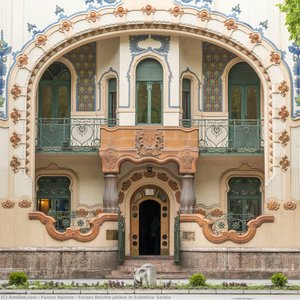
Биография художника
Jules Aimé Lavirotte: The Architect of Parisian Fantasies
Jules Aimé Lavirotte (March 25, 1864 in Lyon – March 1, 1929 in Paris) was a French architect who stands as one of the most prominent figures of the Art Nouveau style. Born into a family steeped in artistic tradition—his father was a sculptor—Lavirotte’s early life instilled within him an appreciation for craftsmanship and imaginative design. He pursued his studies at the École des Beaux-Arts in Lyon under Antoine Georges Louvier, honing his skills before relocating to Paris where he continued his education with Paul Blondel, absorbing the stylistic currents of the era. This formative period cemented Lavirotte’s commitment to pushing artistic boundaries and exploring new expressive possibilities.- Early Career & Influences: Lavirotte's architectural vision was profoundly shaped by the burgeoning Art Nouveau movement, which championed organic forms, flowing lines, and opulent ornamentation—a reaction against the rigid formalism of Neoclassicism. Blondel’s teachings instilled in him a belief that architecture should be more than mere structural necessity; it should aspire to beauty and evoke emotion.
- Collaboration with Alexandre Bigot: Lavirotte's partnership with ceramic manufacturer Alexandre Bigot proved pivotal to his artistic success. Bigot’s innovative techniques for producing glazed earthenware tiles revolutionized façade decoration, allowing Lavirotte to realize breathtaking visions of sculpted surfaces adorned with vibrant colors and intricate patterns. This collaboration exemplifies the spirit of interdisciplinarity that characterized Art Nouveau.
Lavirotte's Iconic Parisian Buildings
Lavirotte’s architectural legacy rests primarily on his transformative contributions to Paris’s cityscape during the Belle Époque. He achieved renown for creating buildings that defied convention, prioritizing artistic expression over purely functional considerations. Three of Lavirotte’s buildings were awarded prizes in the Paris facade competition, which gave prizes to several buildings each year; The Lavirotte Building (1901), at 29 Avenue Rapp, known for its extravagant sculpted portal; The Ceramic Hotel (1904), 34 Avenue de Wagram, which also featured ceramic decoration by Bigot; and the building at 23 avenue de Messine in the 8th arrondissement (1906-1907). These structures stand as enduring symbols of Art Nouveau’s grandeur and innovation.- The Lavirotte Building: This masterpiece exemplifies Lavirotte's mastery of sculptural detail and glazed ceramic tilework. The portal depicts a fantastical scene featuring mythological figures—a testament to Lavirotte’s fascination with symbolism and storytelling.
- The Ceramic Hotel: Situated on Avenue de Wagram, this hotel showcases Bigot’s pioneering use of ceramic tiles, transforming the façade into a kaleidoscope of color and texture.
- 23 Avenue de Messine: Lavirotte's final major project demonstrates his refined aesthetic sensibilities and meticulous craftsmanship—a harmonious blend of sculptural ornament and elegant proportions.
Awards & Recognition
Lavirotte’s commitment to artistic excellence was formally acknowledged by the City of Paris, which bestowed upon him three prestigious prizes for the most original facades: The Lavirotte Building (1901), The Ceramic Hotel (1904) and The building at 23 avenue de Messine (1907). These accolades underscored the city’s appreciation for innovative architectural designs that elevated the urban landscape. Source:Wikipedia ## Lavirotte's Influence & Legacy Jules Aimé Lavirotte’s influence extended far beyond his own lifetime, shaping the trajectory of Art Nouveau architecture and inspiring subsequent generations of designers. His bold experimentation with sculptural ornamentation and glazed ceramic tilework established new standards for façade decoration—a technique that would become synonymous with the style. Lavirotte's buildings served as visual embodiments of Art Nouveau’s core tenets: organic forms mirroring nature, flowing lines conveying movement, and handcrafted embellishments celebrating artisanal skill. He remains a celebrated figure in architectural history, representing the apex of artistic ambition during the Belle Époque.- Defining Art Nouveau Aesthetics: Lavirotte's buildings solidified Art Nouveau’s visual language—characterized by curvilinear lines, floral motifs, and iridescent ceramic surfaces—establishing it as one of the most recognizable architectural styles of the early 20th century.
- Inspiring Future Architects: Lavirotte’s daring approach to design encouraged architects to prioritize artistic expression alongside structural functionality, fostering a spirit of innovation that continues to resonate within contemporary architecture.
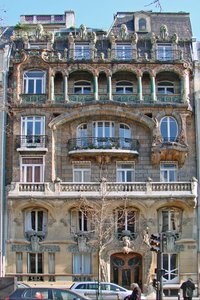
jules aimé lavirotte
1864 - 1929