

 Предпросмотр
 Поделиться
 Поделиться
 Детали произведения

 Скачать
 Похожие работы
 Рентгенография
 Слайд-шоу
 Статистика
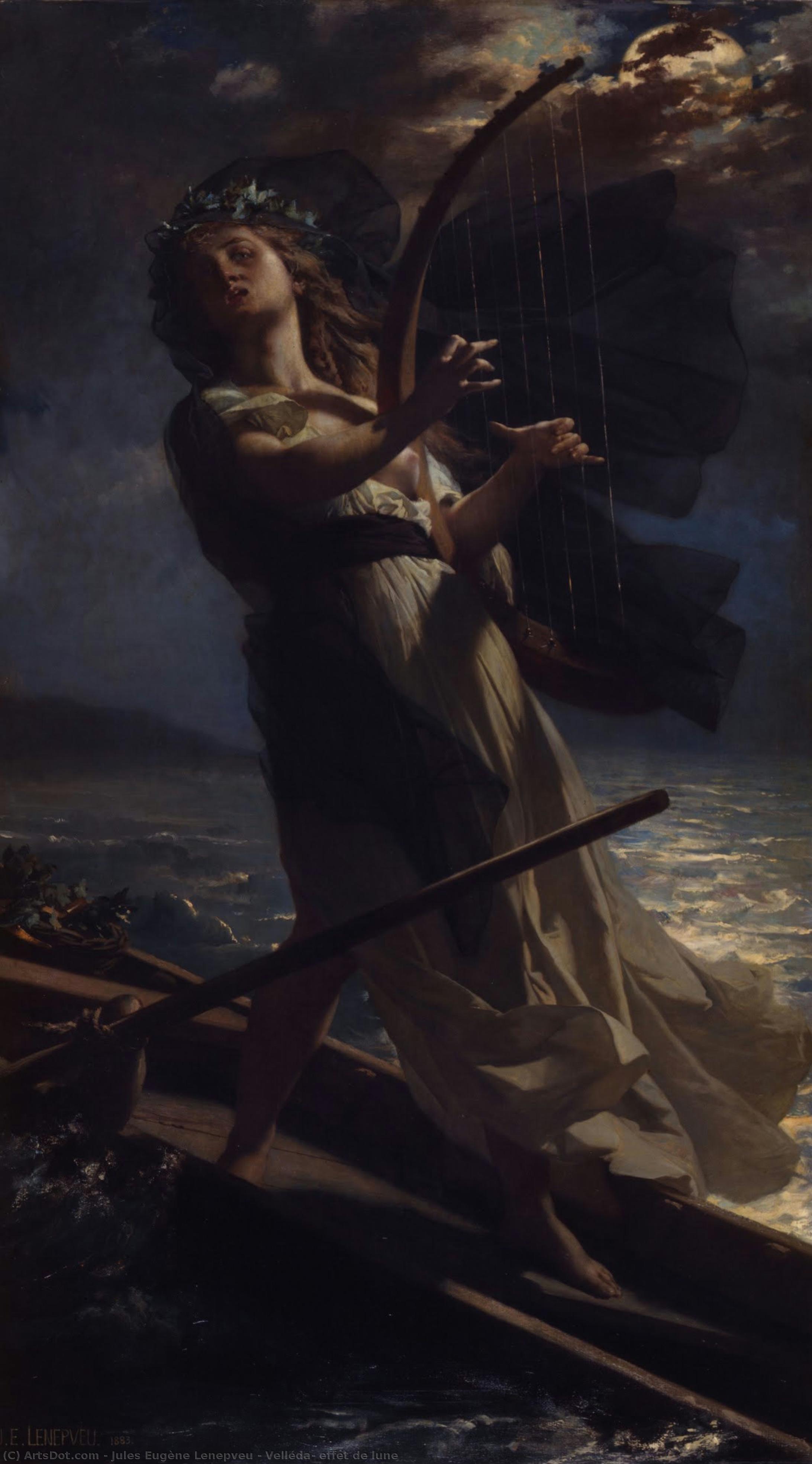
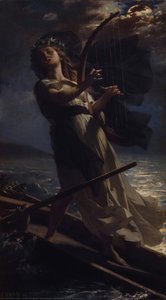
Velléda, effet de lune


 Читать далее
Масляная репродукция ручной работы
Картина маслом на холсте в выбранном вами размере и раме, написанная на заказ нашими художниками. ( Перейти к печати Перейти к цифровым изображениям)




































Выберите один из наших стандартных размеров, соответствующих оригинальным пропорциям произведения искусства.

Вы можете указать собственные размеры, чтобы картина идеально вписалась в выбранную раму или пространство. Если выбранный вами размер не соответствует пропорциям оригинала, мы либо обрежем полотно, либо расширим его за счет дополнительных элементов, написанных вручную. Цифровой макет будет отправлен вам на утверждение перед началом производства.
Обратите внимание, что предварительный просмотр на экране не отражает фактическую обрезку или расширение. Только макет точно покажет окончательную композицию.
Хотя доступны индивидуальные размеры, мы рекомендуем выбирать вариант из предопределенного списка, чтобы сохранить исходные пропорции.
После оформления заказа команда ArtsDot.com свяжется с клиентом по электронной почте для уточнения деталей и предоставит предварительный макет
Доставка по всему миру () за 3–4 недели вместо стандартных 5 недель. (11 Сентябрь). Без компромиссов в качестве.

Бесплатная экспресс-доставка по всему миру

Высококачественный льняной холст

Полное страхование доставки

Гарантия возмещения таможенных пошлин

Гарантия точного соответствия цветов

100-дневная политика возврата (только при обнаружении дефектов)

Гарантия возврата 100% средств

Предложение оптовых скидок
 Вариант со стеклом доступен только для размеров менее 110 см

Velléda, effet de lune
Техника репродукции
Размер репродукции
-


Итоговая стоимость
$ 263
Похожие произведения






Биография художника
The Grandeur of History: The Life and Legacy of Jules Eugène Lenepveu
In the golden age of French Neoclassicism, few names commanded as much reverence for monumental storytelling as Jules Eugène Lenepveu. Born in the historic city of Angers in 1819, Lenepveu was an artist whose vision was never confined to the small or the intimate; instead, he sought the infinite scale of history itself. His journey began with a rigorous intellectual and artistic foundation, shaped by his studies at the prestigious École des Beaux-Arts in Paris. Under the watchful eye of François-Édouard Picot, Lenepveu did not merely learn to paint; he learned to compose dramas on a grand scale, absorbing the classical precepts that would later allow him to transform ceilings and walls into windows onto the past.
The trajectory of his career was irrevocably altered by his triumph in 1847, when he secured the illustrious Prix de Rome. This victory, earned through his evocative depiction of The Death of Vitellius, acted as a gateway to the heart of classical inspiration: Italy. Immersed in the atmosphere of Rome, Leneptextup encountered the profound legacies of Michelangelo, Raphael, and Bernini. These encounters were more than mere academic exercises; they were spiritual awakenings that instilled in him an enduring fascination with idealized beauty and the monumental scale required to convey humanistic ideals. This period of Roman education refined his technical prowess, blending a disciplined, mathematical precision with a deep, emotive understanding of light and form.
A Master of the Fresco and the Monumental Canvas
Lenepveu’s true greatness was realized in his ability to command the most significant architectural spaces of France. He became a painter of the state, an artist whose brushwork adorned the very symbols of French culture and national identity. His most celebrated achievement remains his work on the Opéra Garnier between 1869 and 1871. In this breathtaking commission, he utilized the vast expanse of the ceiling to weave intricate historical narratives, creating a sense of theatrical wonder that mirrored the grandeur of the opera itself. Though much of this work was later obscured by the vibrant colors of Marc Chagall, the historical significance of Lenepveu’s contribution to the Opéra remains an indelible part of Parisian heritage.
Beyond the opera house, his talent for large-scale fresco painting found a sacred home in the Panthéon. Between 1886 and 1890, Lenepveu undertook the monumental task of depicting the life of Joan of Arc. This series was not merely a biographical record but a profound exploration of martyrdom, faith, and national heroism. Through his mastery of composition, he captured the spiritual intensity of the Maid of Orléans, turning the stone walls of the Panthéon into a living chronicle of French legend. His ability to balance the weight of historical accuracy with the ethereal beauty of classical aesthetics allowed him to create works that felt both grounded in reality and elevated by myth.
Artistic Significance and Enduring Memory
The career of Jules Eugène Lenepveu was defined by a rare synthesis of scholarly discipline and artistic passion. His background in mathematics and philosophy provided a structural integrity to his compositions, ensuring that even his most complex historical scenes possessed a clear, commanding logic. This intellectual depth allowed him to navigate the transition between the rigid traditions of Neoclassicism and the more emotive demands of 19th-century historical painting.
As the director of the French Academy in Rome from 1872 to 1878, he also played a pivotal role in shaping the next generation of artists, passing on the rigorous standards of the Beaux-Arts tradition. Though he passed away in 1898, his presence remains etched into the architectural fabric of France. From the ceilings of the Angers theatre to the hallowed halls of Paris, Lenepveu’s legacy is one of scale, splendor, and a lifelong devotion to the belief that art should serve as the grandest mirror of human history.
jules eugène lenepveu
1819 - 1898
Основные сведения
- Artistic Movement Or Style: Neoclassical
- Artists Or Movements Influenced By This Artist: ['Marc Chagall']
- Artists Who Influenced This Artist: ['François Édouard Picot']
- Date Of Death: 1898
- Full Name: Jules Eugène Lenepveu
- Nationality: French
- Notable Artworks:
- Joan of Arc at the Panthéon
- The martyrs in the catacombs
- Saint Louis IX
- Place Of Birth: Angers