

 Предпросмотр
 Поделиться
 Поделиться
 Детали произведения

 Скачать
 Похожие работы
 Рентгенография
 Слайд-шоу
 Статистика
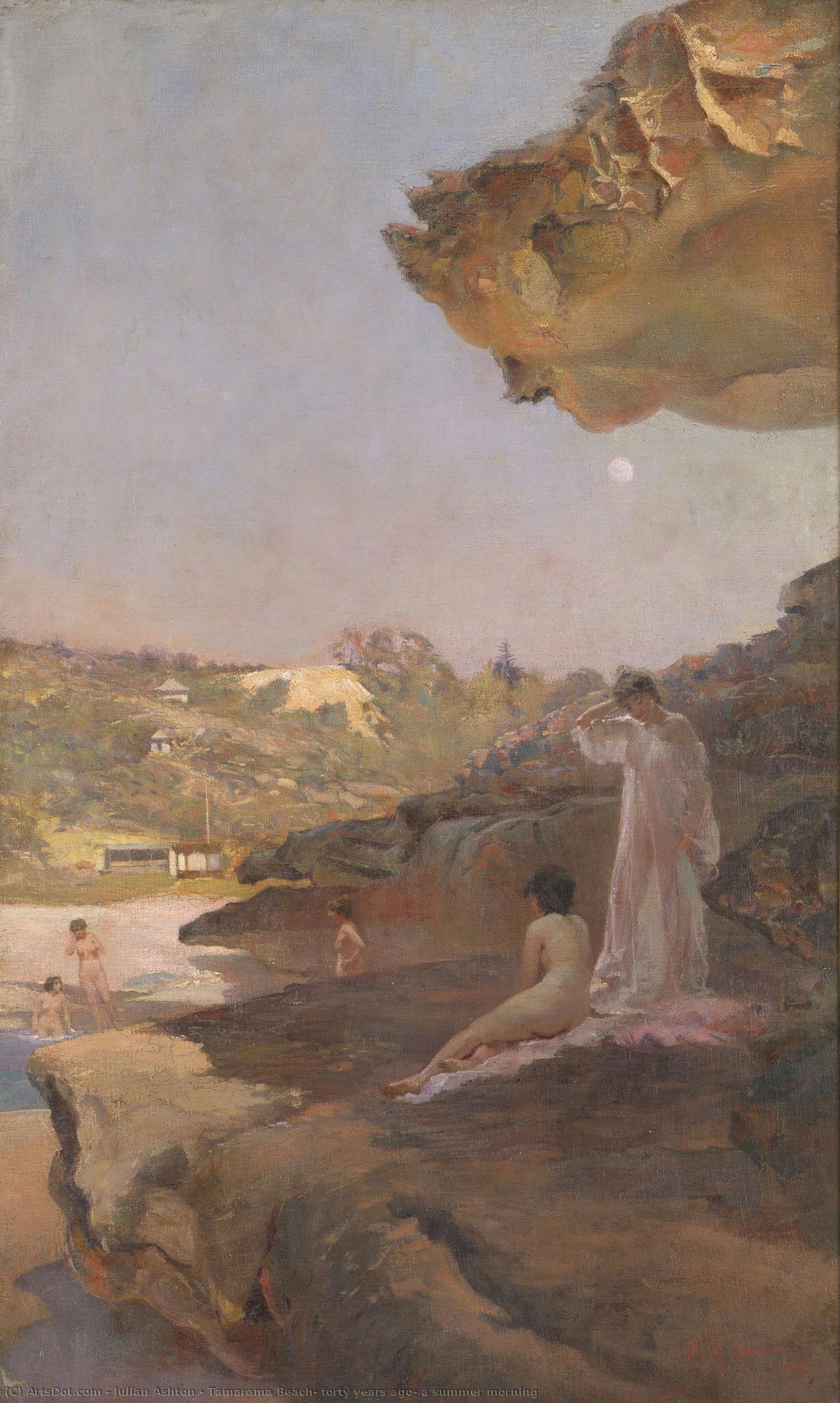
Tamarama Beach, forty years ago, a summer morning
 Oil On Canvas
- WallArt
- Barbizon School
 1899
1899- 19th Century
 99.0 x 59.0 cm
 Галерея Нового Южного Уэльса
 Читать далее
Приобретите цифровое изображение высокого разрешения в улучшенном качестве, которое значительно превосходит онлайн-превью.
Каждый файл тщательно подготавливается нашими специалистами с использованием передовых инструментов и экспертной ручной ретуши. Мы гарантируем исключительную четкость, точную цветопередачу и детальную проработку каждого изображения.
Финальный файл доставляется по электронной почте в течение 72 часов и оптимизирован для немедленного использования в профессиональной среде, при верстке и печати. Это тот же уровень качества, которому доверяют ведущие дизайнерские студии, издательства и галереи.
Цифровое изображение
Скачайте файл высокого разрешения для личного использования, печати и творческих проектов. ( Перейти к печати Купить картину ручной работы)
Включено в каждый заказ цифровых изображений
Гарантия экспертной цифровой доставки
Выбирая ArtsDot.com, вы получаете не просто изображение — вы приобретаете профессионально обработанное цифровое произведение искусства, созданное с безупречной точностью и под защитой гарантии качества. Вот всё, что автоматически входит в ваш заказ:

Мгновенная доставка по e-mail
Ваш цифровой файл в высоком разрешении будет отправлен вам по электронной почте в течение 72 часов после оформления заказа — и сразу станет доступен для использования.

Цифровой файл с ИИ-улучшением
Ваше произведение искусства проходит профессиональную оптимизацию с использованием передовых инструментов ИИ и ручной обработки, что гарантирует максимальную детализацию, четкость и точность цветопередачи.

Бессрочная бесплатная повторная доставка
Случайно удалили или потеряли файл? Не беспокойтесь — мы отправим его вам повторно в любое время и совершенно бесплатно.

Без импортных пошлин — навсегда
Наслаждайтесь вашим произведением искусства мгновенно без таможенных пошлин, сборов или затрат на доставку — цифровые загрузки всегда не облагаются налогом.

Гарантия точности цветопередачи
Мы гарантируем, что ваше цифровое изображение максимально точно передает оригинальные цвета благодаря использованию профессиональных инструментов и систем управления цветом.

Гарантия удовлетворенности 100 дней
Если вы не будете удовлетворены своим цифровым изображением, мы внесем правки или вернем 100% стоимости в течение 100 дней — без лишних вопросов.

100% Гарантия возврата средств
Не удовлетворены покупкой? Получите полный возврат средств в течение 100 дней после получения цифрового файла — без лишних вопросов.

Скидки на оптовые заказы
Купите 3 изображения, сэкономьте 10% — Купите 5, сэкономьте 15% — Купите 10+, сэкономьте 20%. Отличное решение для творческих проектов, галерей и агентств.
Julian Ashton’s Tamarama Beach: A Snapshot of Australian Impressionism
Tamarama Beach, forty years ago, a summer morning by Julian Ashton is more than just a depiction of a seaside scene; it's a testament to the burgeoning Australian Impressionist movement and Ashton’s unwavering dedication to capturing fleeting moments of beauty. Painted in 1899, this canvas embodies the spirit of the Barbizon School influence—a conscious embrace of plein air painting—where Ashton sought to translate the immediacy of nature onto canvas with remarkable precision.Subject Matter & Composition
The painting portrays Tamarama Beach during a vibrant summer morning. Ashton skillfully captures the dappled sunlight filtering through eucalyptus trees, illuminating the sand and creating an atmosphere of warmth and tranquility. Several figures populate the beach – individuals enjoying leisure activities—adding to the sense of everyday life rendered with artistic sensitivity. The composition is balanced, guiding the viewer’s eye across the scene towards the horizon line where the sea merges seamlessly with the sky. Ashton's meticulous attention to detail ensures that every element contributes to the overall impression of serenity and natural splendor.Technique & Style
Ashton employed oil paints on canvas—a technique favored by Impressionists—allowing for layering and blending colors to achieve luminous effects. He utilized short, broken brushstrokes to convey movement and texture, particularly evident in the foliage and the ripples of water. Ashton’s palette is dominated by muted greens, blues, and yellows, reflecting the dominant hues of the coastal landscape. The artist skillfully rendered light and shadow, creating a palpable sense of depth and realism that distinguishes his work from more academic styles prevalent at the time.Historical Context & Significance
Painted in 1899, Tamarama Beach stands as one of Ashton’s earliest masterpieces and exemplifies the growing interest in capturing Australian landscapes with Impressionistic sensibilities. The Barbizon School's emphasis on direct observation and tonal harmonies resonated deeply within Ashton’s artistic vision. This painting represents a pivotal moment in Australian art history—marking the emergence of a distinctly national aesthetic that prioritized beauty and authenticity over idealized representations. It foreshadowed the broader stylistic developments that would characterize the Heidelberg School, cementing Ashton’s legacy as a pioneer of modern Australian art.Symbolism & Emotional Impact
Beyond its visual appeal, Tamarama Beach carries symbolic weight. The beach itself represents freedom, leisure, and connection with nature—values central to the Australian ethos. The dappled sunlight symbolizes optimism and vitality, mirroring the joyous spirit of summer mornings. Ashton’s masterful rendering evokes a feeling of nostalgia for simpler times, inviting viewers to contemplate the enduring beauty of the natural world and the importance of savoring fleeting moments of happiness. It's a painting that speaks volumes about the artist’s profound appreciation for his surroundings and his ability to translate those emotions into captivating visual art.Provenance & Display
Currently housed at the Art Gallery of New South Wales (Accession Number: 6535), Tamarama Beach has been exhibited extensively throughout its history, including “Three Generations of Painters,” “On the Beach,” “Two Centuries of Australian Painting,” and “Shaded.” Its inclusion in these prestigious exhibitions underscores its artistic merit and enduring relevance to Australian art heritage.Похожие произведения



Биография художника
Julian Ashton: Life & Legacy
Early Life and Education
- Born: January 27, 1851, in Addlestone, Surrey, United Kingdom.
- Ashton’s father, Thomas Briggs Ashton, was an American amateur painter, and his mother, Henrietta, was the daughter of Count Carlo Rossi, a Sardinian diplomat.
- The family moved to Penzance, Cornwall, shortly after Julian's birth, then to Totnes, Devon, following his father’s death in 1864.
- He began working in an engineer’s office at age 15, dedicating his leisure time to painting and studying at the West London School of Art for three years.
- Further studies took him to the Académie Julian in Paris, where he honed his skills and began illustrating books.
Artistic Development & Influences
- Early Style: Ashton initially found success as a painter exhibiting at the Royal Academy of Arts.
- Barbizon School Influence: He was deeply influenced by the contemporary French realism of the Barbizon school, which emphasized painting en plein air (directly from nature).
- This approach laid the foundation for his later embrace of Impressionistic principles.
- In 1878, Ashton emigrated to Melbourne under contract with David Syme’s Illustrated Australian News before relocating to Sydney.
Founding the Julian Ashton Art School
- A Pivotal Institution: In 1889, Ashton founded the Julian Ashton Art School in Sydney, which became a cornerstone of Australian art education.
- The school played a crucial role in fostering a new generation of Australian artists and promoting local artistic identity.
- Encouraging En Plein Air: He actively encouraged his students to capture the unique light and landscapes of Australia directly from nature.
Championing the Heidelberg School
- Key Advocate: Ashton was a principal organizer of the 1898 exhibition of Australian art in London, the first major international showcase of Australian artistic talent.
- As a trustee of the Art Gallery of New South Wales, he championed emerging artists associated with the Heidelberg School, also known as Australian Impressionism.
- His influence was instrumental in securing the gallery’s collection of works by these pioneering artists.
Major Works & Artistic Style
- Notable Paintings: Some of his well-known paintings include Evening, Merri Creek (1882), A Solitary Ramble (1888), and Tamarama Beach, forty years ago, a summer morning.
- Style Characteristics: Ashton’s work is characterized by its realistic depiction of Australian landscapes and scenes, often rendered with a subtle Impressionistic touch.
- He skillfully captured the unique light and atmosphere of the Australian environment.
Legacy & Historical Significance
- Lasting Impact: Julian Ashton died on April 27, 1942, leaving behind a significant legacy as an artist, teacher, and advocate for Australian art.
- His influence extended far beyond his own paintings, shaping the course of Australian art history through his teaching and promotion of local talent.
- A Pioneer of Australian Identity: He played a vital role in establishing a distinctively Australian artistic identity, independent from European traditions.
julian ashton
1851 - 1942 , United Kingdom
Основные сведения
- Birth Date: 1851-01-27
- Birth Place: Addlestone, United Kingdom
- Death Date: 1942-04-27
- Influenced: Australian Impressionists
- Influenced By: Barbizon school
- Movement: Heidelberg School, Impressionism
- Name: Julian Ashton
- Nationality: British-Australian
- Notable Works: Evening, Merri Creek; A Solitary Ramble; Tamarama Beach, forty years ago, a summer morning; The prospector