

 Предпросмотр
 Поделиться
 Поделиться
 Детали произведения

 Скачать
 Похожие работы
 Рентгенография
 Слайд-шоу
 Статистика
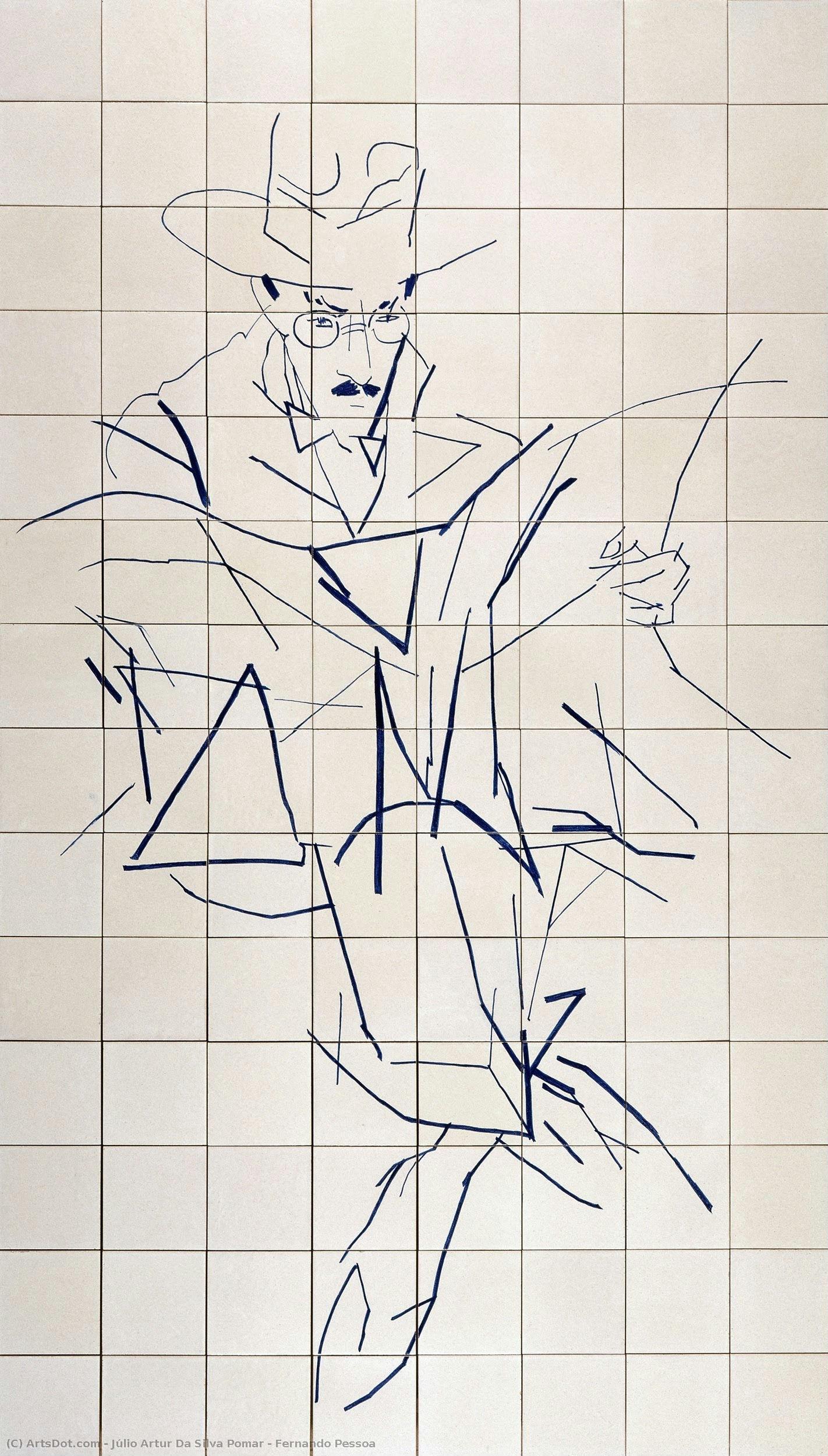
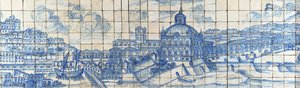
Fernando Pessoa
 Contemporary Realism
 1988
1988 196.0 x 112.0 cm
 Национальный музей Азулежу
 Читать далее
Жикле / Арт-принт
Печать (жикле) или холст музейного качества с быстрыми сроками изготовления и широким выбором вариантов отделки. ( Купить картину ручной работы Перейти к цифровым изображениям)




































Выберите один из наших стандартных размеров, соответствующих оригинальным пропорциям произведения искусства.

Вы можете указать свои собственные размеры, чтобы репродукция идеально подошла под конкретную раму или пространство. Если выбранный вами размер не будет соответствовать пропорциям оригинала, мы либо обрежем произведение, либо дополним изображение зеркальным отражением краев или однотонной заливкой. Перед началом производства вам будет отправлен цифровой макет для утверждения.
Пожалуйста, обратите внимание, что предварительный просмотр на экране не отображает фактическую обрезку или расширение изображения. Только макет точно покажет финальную композицию.
Несмотря на возможность заказа индивидуальных размеров, мы рекомендуем выбирать размер из предопределенного списка, чтобы сохранить оригинальные пропорции.
Доставка по всему миру () за 2 недели вместо стандартных 4/5 недель. (12 Сентябрь)

Бесплатная экспресс-доставка по всему миру

Высококачественный льняной холст

Полное страхование доставки

Гарантия возмещения таможенных пошлин

Гарантия точного соответствия цветов

100-дневная политика возврата (только при обнаружении дефектов)

Гарантия возврата 100% средств

Предложение оптовых скидок
 Вариант со стеклом доступен только для размеров менее 110 см

Fernando Pessoa
Жикле / Арт-принт
Размер репродукции
-


Итоговая стоимость
$ 62
Похожие произведения
Биография художника
Early Life and Artistic Beginnings
- Born: January 10, 1926, Lisbon, Portugal
- Died: May 22, 2018, Lisbon, Portugal
- Júlio Pomar initially studied at the Escola Secundária Artística António Arroio in Lisbon. This early education laid a foundation for his artistic development.
- He entered the Superior School of Fine Arts of Lisbon in 1942, marking a formal beginning to his art training.
- An important early event was the sale of his painting "Saltimbancos" to Almada Negreiros, demonstrating early recognition of his talent.
Neo-Realist Phase and Political Engagement
- From 1945 to 1957, Pomar's work underwent a significant shift towards neo-realism. This period was characterized by strong political and ideological engagement.
- "O Almoço do Trolha" (The Lunch of the Trolley), created between 1946 and 1950, is considered a landmark piece of neo-realist painting. It depicted the lives of working-class individuals with raw materiality and anatomical emphasis on hands and feet.
- His art became a vehicle for social commentary, reflecting the realities of Portuguese society during this time.
- He was involved in the Communist Youth movement, which further fueled his politically charged artistic expression.
- The frescoes he painted for Cinema Batalha in Porto were destroyed by the political police in 1948, highlighting the risks associated with his outspoken views.
Artistic Development and Influences
- Pomar's style evolved over time, moving beyond neo-realism to incorporate elements of expressionism and abstraction.
- His move to Paris in 1963 provided a new environment for artistic exploration and growth. He received a scholarship from the Calouste Gulbenkian Foundation between 1964 and 1966, allowing him time to focus on his work.
- Influences included masters of past art such as Uccello, Ingres, Courbet, van Eyck, and Matisse.
- He demonstrated a versatility across various mediums including painting, drawing, engraving, sculpture, assemblage, illustration, ceramics, glass, tapestry, theater scenography, and tile work.
Major Works and Recognition
- "O Almoço do Trolha" (The Lunch of the Trolley): A defining piece of his neo-realist period.
- Ciclo do Arroz (Rice Cycle): A series of works from 1952-1955 exploring themes related to rice cultivation.
- Resistência (Resistance): A painting that faced political scrutiny and was temporarily apprehended by authorities.
- His work is featured in prominent museums and collections throughout Portugal, including the Museu Nacional de Arte Antiga in Lisbon.
- He received numerous awards and accolades for his contributions to Portuguese art.
Historical Significance
- Júlio Pomar is widely regarded as one of the greatest Portuguese painters of his generation.
- His neo-realist works provided a powerful visual record of social struggles and political realities in Portugal during the mid-20th century.
- He played a significant role in shaping modern Portuguese art, bridging various artistic movements and styles.
- The Atelier-Museu Júlio Pomar in Lisbon serves as a testament to his legacy, preserving and promoting his work for future generations.
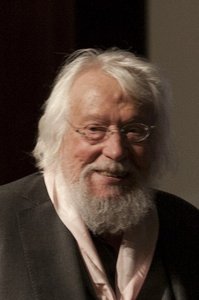
júlio artur da silva pomar
1926 - 2018 , Portugal
Основные сведения
- Artistic Movement Or Style: Neo-realism
- Artists Who Influenced This Artist:
- Almada Negreiros
- George Grosz
- Candido Portinari
- Date Of Birth: January 10, 1926
- Date Of Death: May 22, 2018
- Full Name: Júlio Artur da Silva Pomar
- Nationality: Portuguese
- Notable Artworks:
- O almoço do trolha
- Ciclo do arroz
- Resistência
- Gadanheiro
- Place Of Birth: Lisbon, Portugal
Похожие статьи
Fernando Botero: Celebrating Volume, Form & Colombian Identity
Explore the captivating world of Fernando Botero! Discover his iconic 'Boterismo' style, Colombian influences, investment potential & lasting legacy. Expert insights for art collectors.
Alfredo Roque Gameiro: A Portuguese Master of Historical Painting & Artistic Eclecticism
Discover Alfredo Roque Gameiro (1864-1935), a renowned Portuguese painter celebrated for his vibrant watercolors and historical illustrations. Explore his legacy & artworks at ArtsDot.