

 Предпросмотр
 Поделиться
 Поделиться
 Детали произведения

 Скачать
 Похожие работы
 Рентгенография
 Слайд-шоу
 Статистика
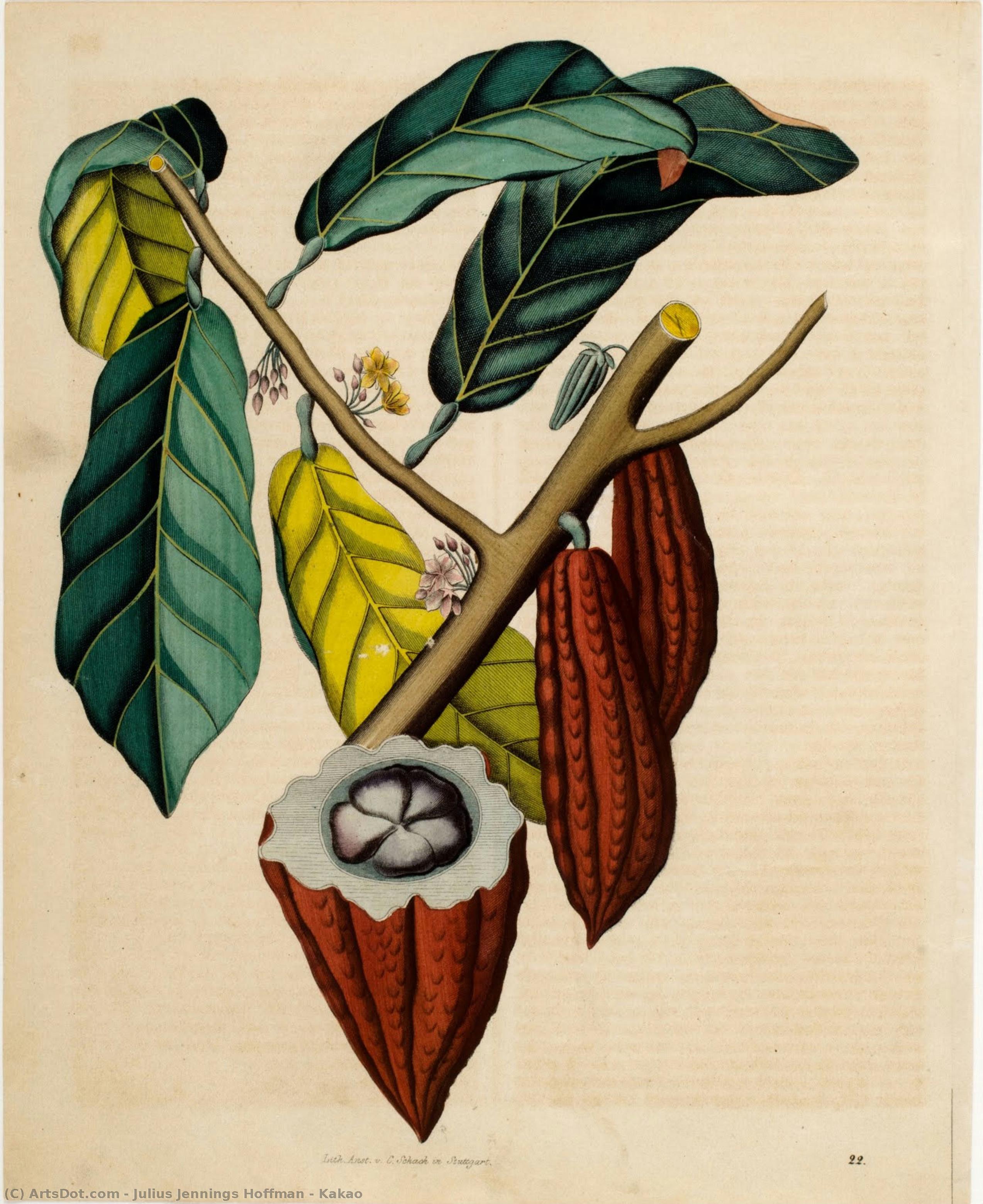
Kakao


 Читать далее
Приобретите цифровое изображение высокого разрешения в улучшенном качестве, которое значительно превосходит онлайн-превью.
Каждый файл тщательно подготавливается нашими специалистами с использованием передовых инструментов и экспертной ручной ретуши. Мы гарантируем исключительную четкость, точную цветопередачу и детальную проработку каждого изображения.
Финальный файл доставляется по электронной почте в течение 72 часов и оптимизирован для немедленного использования в профессиональной среде, при верстке и печати. Это тот же уровень качества, которому доверяют ведущие дизайнерские студии, издательства и галереи.
Цифровое изображение
Скачайте файл высокого разрешения для личного использования, печати и творческих проектов. ( Перейти к печати Купить картину ручной работы)
Включено в каждый заказ цифровых изображений
Гарантия экспертной цифровой доставки
Выбирая ArtsDot.com, вы получаете не просто изображение — вы приобретаете профессионально обработанное цифровое произведение искусства, созданное с безупречной точностью и под защитой гарантии качества. Вот всё, что автоматически входит в ваш заказ:

Мгновенная доставка по e-mail
Ваш цифровой файл в высоком разрешении будет отправлен вам по электронной почте в течение 72 часов после оформления заказа — и сразу станет доступен для использования.

Цифровой файл с ИИ-улучшением
Ваше произведение искусства проходит профессиональную оптимизацию с использованием передовых инструментов ИИ и ручной обработки, что гарантирует максимальную детализацию, четкость и точность цветопередачи.

Бессрочная бесплатная повторная доставка
Случайно удалили или потеряли файл? Не беспокойтесь — мы отправим его вам повторно в любое время и совершенно бесплатно.

Без импортных пошлин — навсегда
Наслаждайтесь вашим произведением искусства мгновенно без таможенных пошлин, сборов или затрат на доставку — цифровые загрузки всегда не облагаются налогом.

Гарантия точности цветопередачи
Мы гарантируем, что ваше цифровое изображение максимально точно передает оригинальные цвета благодаря использованию профессиональных инструментов и систем управления цветом.

Гарантия удовлетворенности 100 дней
Если вы не будете удовлетворены своим цифровым изображением, мы внесем правки или вернем 100% стоимости в течение 100 дней — без лишних вопросов.

100% Гарантия возврата средств
Не удовлетворены покупкой? Получите полный возврат средств в течение 100 дней после получения цифрового файла — без лишних вопросов.

Скидки на оптовые заказы
Купите 3 изображения, сэкономьте 10% — Купите 5, сэкономьте 15% — Купите 10+, сэкономьте 20%. Отличное решение для творческих проектов, галерей и агентств.
Похожие произведения






Биография художника
A Life Dedicated to the Law: Julius Jennings Hoffman
Julius Jennings Hoffman, born in Chicago on July 7, 1895, was a figure whose life embodied the rigorous principles of American jurisprudence—a dedication that would ultimately place him at the center of one of the most turbulent trials in the nation’s history. The son of Russian Jewish immigrants, Bertha (Weisberg) and Aaron Hoffman, his early life instilled a deep respect for the ideals of justice and opportunity that America represented. He was an exceptionally precocious student, completing his Bachelor of Philosophy at Northwestern University at just sixteen years old in 1912, followed by his law degree from the same institution in 1915. This rapid academic ascent foreshadowed a career marked by intellectual discipline and unwavering commitment to legal procedure.Early Career and Ascendancy
Hoffman’s initial foray into the legal world involved private practice, first with White and Hawxhurst from 1915 to 1936, then with Markheim, Hoffman, Hungerford & Sollo from 1944 to 1947. He wasn't merely a lawyer; he was a meticulous craftsman of legal arguments, building a reputation for thoroughness and precision. A significant period in his professional life saw him serve as general counsel for the Brunswick-Balke-Collender Company between 1936 and 1944, honing his skills in corporate law before transitioning to the bench as a Judge of the Superior Court of Cook County, Illinois from 1947 to 1953. This progression wasn’t simply about climbing the ladder of success; it was a deliberate path towards a position where he could directly shape the application of the law. In 1953, President Dwight D. Eisenhower recognized Hoffman's capabilities and nominated him to the United States District Court for the Northern District of Illinois—a testament to his growing prominence within the legal community. He assumed senior status in 1972, continuing to serve until his death on July 1, 1983.Presiding Over Controversy: The Chicago Seven Trial
While Hoffman presided over numerous significant cases throughout his career – including a tax evasion case involving Tony Accardo, an obscenity trial featuring Lenny Bruce, and deportation proceedings against Frank Walus—it is the 1969 trial of the “Chicago Eight” (later the “Chicago Seven”) that indelibly etched his name into American legal history. The defendants, charged with conspiracy to incite riots during the 1968 Democratic National Convention, represented a potent symbol of the counterculture movement and anti-war sentiment sweeping the nation. Hoffman’s handling of the trial was immediately contentious. He clashed repeatedly with the defense attorneys, whom he perceived as deliberately disruptive and disrespectful of the court. His most controversial actions involved Bobby Seale, one of the defendants, who insisted on representing himself after his original counsel fell ill. When Seale's behavior became increasingly defiant, Hoffman ordered him gagged, shackled, and ultimately removed from the trial—actions that sparked widespread outrage and accusations of bias.A Legacy Defined by Rigor and Debate
The Chicago Seven trial became a lightning rod for criticism, with many observers arguing that Hoffman’s rulings were motivated by personal animosity towards the defendants and their political beliefs. His sentences against the defendants and their lawyers—jail terms for contempt of court—were later vacated or reversed on appeal, further fueling the debate over his impartiality. Despite the controversy, it's crucial to understand Hoffman within the context of his time. He was a product of an era that valued strict adherence to legal procedure and decorum, and he believed passionately in maintaining order within the courtroom. His actions, however heavy-handed they may appear today, were rooted in a deep conviction that the rule of law must be upheld, even—and perhaps especially—when confronted with challenges to its authority.Historical Significance
Julius Jennings Hoffman’s legacy remains complex and contested. He was not simply a judge; he was a symbol of the tensions between order and dissent, tradition and revolution, that defined the late 1960s and early 1970s. His story serves as a potent reminder of the inherent challenges in balancing individual rights with the need for social stability, and the enduring importance of ensuring fairness and impartiality within the judicial system. While his name is inextricably linked to the Chicago Seven trial, it’s important to remember that he dedicated decades to public service, upholding the principles of American law with unwavering commitment—a dedication that continues to shape legal discourse today.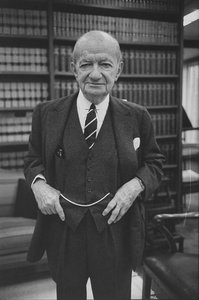
julius jennings hoffman
1895 - 1983 , United States of America
Основные сведения
- Artistic Movement Or Style: Legal Portraiture
- Date Of Birth: July 7, 1895
- Date Of Death: July 1, 1983
- Full Name: Julius Jennings Hoffman
- Nationality: American
- Notable Artworks: ['Kakao']
- Place Of Birth: Chicago, USA