


 Предпросмотр
 Поделиться
 Поделиться
 Детали произведения

 Скачать
 Похожие работы
 Рентгенография
 Слайд-шоу
 Статистика
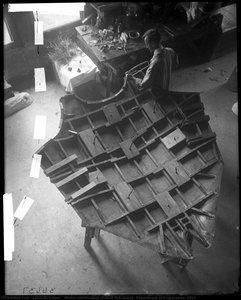
Mr. Bell working on devil fish manta, 1917

 Читать далее
Приобретите цифровое изображение высокого разрешения в улучшенном качестве, которое значительно превосходит онлайн-превью.
Каждый файл тщательно подготавливается нашими специалистами с использованием передовых инструментов и экспертной ручной ретуши. Мы гарантируем исключительную четкость, точную цветопередачу и детальную проработку каждого изображения.
Финальный файл доставляется по электронной почте в течение 72 часов и оптимизирован для немедленного использования в профессиональной среде, при верстке и печати. Это тот же уровень качества, которому доверяют ведущие дизайнерские студии, издательства и галереи.
Цифровое изображение
Скачайте файл высокого разрешения для личного использования, печати и творческих проектов. ( Перейти к печати Купить картину ручной работы)
Включено в каждый заказ цифровых изображений
Гарантия экспертной цифровой доставки
Выбирая ArtsDot.com, вы получаете не просто изображение — вы приобретаете профессионально обработанное цифровое произведение искусства, созданное с безупречной точностью и под защитой гарантии качества. Вот всё, что автоматически входит в ваш заказ:

Мгновенная доставка по e-mail
Ваш цифровой файл в высоком разрешении будет отправлен вам по электронной почте в течение 72 часов после оформления заказа — и сразу станет доступен для использования.

Цифровой файл с ИИ-улучшением
Ваше произведение искусства проходит профессиональную оптимизацию с использованием передовых инструментов ИИ и ручной обработки, что гарантирует максимальную детализацию, четкость и точность цветопередачи.

Бессрочная бесплатная повторная доставка
Случайно удалили или потеряли файл? Не беспокойтесь — мы отправим его вам повторно в любое время и совершенно бесплатно.

Без импортных пошлин — навсегда
Наслаждайтесь вашим произведением искусства мгновенно без таможенных пошлин, сборов или затрат на доставку — цифровые загрузки всегда не облагаются налогом.

Гарантия точности цветопередачи
Мы гарантируем, что ваше цифровое изображение максимально точно передает оригинальные цвета благодаря использованию профессиональных инструментов и систем управления цветом.

Гарантия удовлетворенности 100 дней
Если вы не будете удовлетворены своим цифровым изображением, мы внесем правки или вернем 100% стоимости в течение 100 дней — без лишних вопросов.

100% Гарантия возврата средств
Не удовлетворены покупкой? Получите полный возврат средств в течение 100 дней после получения цифрового файла — без лишних вопросов.

Скидки на оптовые заказы
Купите 3 изображения, сэкономьте 10% — Купите 5, сэкономьте 15% — Купите 10+, сэкономьте 20%. Отличное решение для творческих проектов, галерей и агентств.
Похожие произведения






Биография художника
The Architect of Natural Essence: The Life and Legacy of Julius Kirschner
In the grand tapestry of American art history, certain figures exist in the delicate intersection between scientific precision and poetic vision. Julius Mordecai Kirschner (1876–1953) was one such pioneer, a man whose hands did not merely paint light but physically reconstructed the very textures of the natural world. Born in Brooklyn, New York, Kirschner’s journey began far from the rugged landscapes that would later define his soul. Trained at the prestigious Pratt Institute, he initially mastered the disciplined art of architectural drafting—a skill that provided him with a foundational understanding of structure, scale, and proportion. While his early career as an illustrator allowed him to hone his observational eye, it was a profound fascination with the organic complexity of nature that would eventually lead him away from the flat surface of paper and toward the three-dimensional creation of life-like models.
Kirschner’s artistic evolution was deeply influenced by the dramatic narratives of Gustave Doré and the refined sculptural sensibilities of Alexandre Cabanel. From these masters, he inherited a profound respect for form and the ability to imbue a subject with a sense of monumental importance. However, unlike the Impressionists who sought to dissolve form into fleeting moments of light, Kirschner sought to solidify it. His expeditions to Yosemite National Park between 1908 and 1917 served as his most transformative period. During these years, he moved beyond mere documentation, attempting to capture the ancient, towering majesty of the giant sequoias. This was not achieved through traditional oils alone, but through a laborious, tactile process involving plaster, burlap, and pigment, creating models that breathed with the rugged texture of bark and the immense weight of history.
Mastery of Form and the Art of Reconstruction
The true genius of Kirschner lay in his ability to bridge the gap between biological specimen and artistic masterpiece. His work was characterized by an almost obsessive dedication to accuracy, yet it never lost its sense of wonder. This is perhaps most vividly seen in his ambitious Devil Fish Manta project. Utilizing a specimen brought from the waters of Hawaii, Kirschner embarked on a monumental undertaking to recreate the ethereal grace of the manta ray. Through meticulous model construction, he was able to translate the fluid, undulating essence of marine life into a tangible form that could be studied and admired, showcasing a level of craftsmanship that blurred the lines between the laboratory and the studio.
His technical repertoire was as diverse as the subjects he chose to immortalize. The following elements defined his unique approach to model construction:
- Material Innovation: The use of unconventional materials like burlap and plaster to mimic organic textures such as tree bark and skin.
- Scientific Observation: A commitment to anatomical and botanical accuracy derived from direct field study and specimen analysis.
- Structural Integrity: Applying his architectural training to ensure that even the most complex natural forms possessed a sense of physical permanence and scale.
A Lasting Impression on Natural History
Though often overshadowed by the more famous painters of his era, Kirschner’s historical significance remains profound, particularly within the realms of scientific illustration and museum curation. His work contributed to a period where art served as a vital tool for public education and the preservation of natural wonders. By recreating the colossal scale of the sequoias and the alien beauty of deep-sea creatures, he allowed audiences to experience the grandeur of the world from within the halls of institutions like the American Museum of Natural History.
Today, the legacy of Julius Kirschner lives on in the way we perceive the intersection of art and science. He remains a singular figure—a creator who did not just observe the world, but painstakingly rebuilt it, piece by piece, to ensure that its most magnificent wonders would never be forgotten. His life stands as a testament to the idea that true art is found not only in what we see, but in how deeply we are willing to touch and understand the subjects of our devotion.
julius kirschner
United States of America
Основные сведения
- Artistic Movement Or Style: Early American Impressionism
- Date Of Death: Living
- Full Name: Julius Mordecai Kirschner
- Nationality: American
- Notable Artworks:
- Devil Fish Manta
- Giant Sequoia
- Place Of Birth: United States