

 Предпросмотр
 Поделиться
 Поделиться
 Детали произведения

 Скачать
 Похожие работы
 Рентгенография
 Слайд-шоу
 Статистика
Travel Diary of Juliusz Słowacki


 Читать далее
Приобретите цифровое изображение высокого разрешения в улучшенном качестве, которое значительно превосходит онлайн-превью.
Каждый файл тщательно подготавливается нашими специалистами с использованием передовых инструментов и экспертной ручной ретуши. Мы гарантируем исключительную четкость, точную цветопередачу и детальную проработку каждого изображения.
Финальный файл доставляется по электронной почте в течение 72 часов и оптимизирован для немедленного использования в профессиональной среде, при верстке и печати. Это тот же уровень качества, которому доверяют ведущие дизайнерские студии, издательства и галереи.
Цифровое изображение
Скачайте файл высокого разрешения для личного использования, печати и творческих проектов. ( Перейти к печати Купить картину ручной работы)
Включено в каждый заказ цифровых изображений
Гарантия экспертной цифровой доставки
Выбирая ArtsDot.com, вы получаете не просто изображение — вы приобретаете профессионально обработанное цифровое произведение искусства, созданное с безупречной точностью и под защитой гарантии качества. Вот всё, что автоматически входит в ваш заказ:

Мгновенная доставка по e-mail
Ваш цифровой файл в высоком разрешении будет отправлен вам по электронной почте в течение 72 часов после оформления заказа — и сразу станет доступен для использования.

Цифровой файл с ИИ-улучшением
Ваше произведение искусства проходит профессиональную оптимизацию с использованием передовых инструментов ИИ и ручной обработки, что гарантирует максимальную детализацию, четкость и точность цветопередачи.

Бессрочная бесплатная повторная доставка
Случайно удалили или потеряли файл? Не беспокойтесь — мы отправим его вам повторно в любое время и совершенно бесплатно.

Без импортных пошлин — навсегда
Наслаждайтесь вашим произведением искусства мгновенно без таможенных пошлин, сборов или затрат на доставку — цифровые загрузки всегда не облагаются налогом.

Гарантия точности цветопередачи
Мы гарантируем, что ваше цифровое изображение максимально точно передает оригинальные цвета благодаря использованию профессиональных инструментов и систем управления цветом.

Гарантия удовлетворенности 100 дней
Если вы не будете удовлетворены своим цифровым изображением, мы внесем правки или вернем 100% стоимости в течение 100 дней — без лишних вопросов.

100% Гарантия возврата средств
Не удовлетворены покупкой? Получите полный возврат средств в течение 100 дней после получения цифрового файла — без лишних вопросов.

Скидки на оптовые заказы
Купите 3 изображения, сэкономьте 10% — Купите 5, сэкономьте 15% — Купите 10+, сэкономьте 20%. Отличное решение для творческих проектов, галерей и агентств.
A Window into Romantic Wanderlust
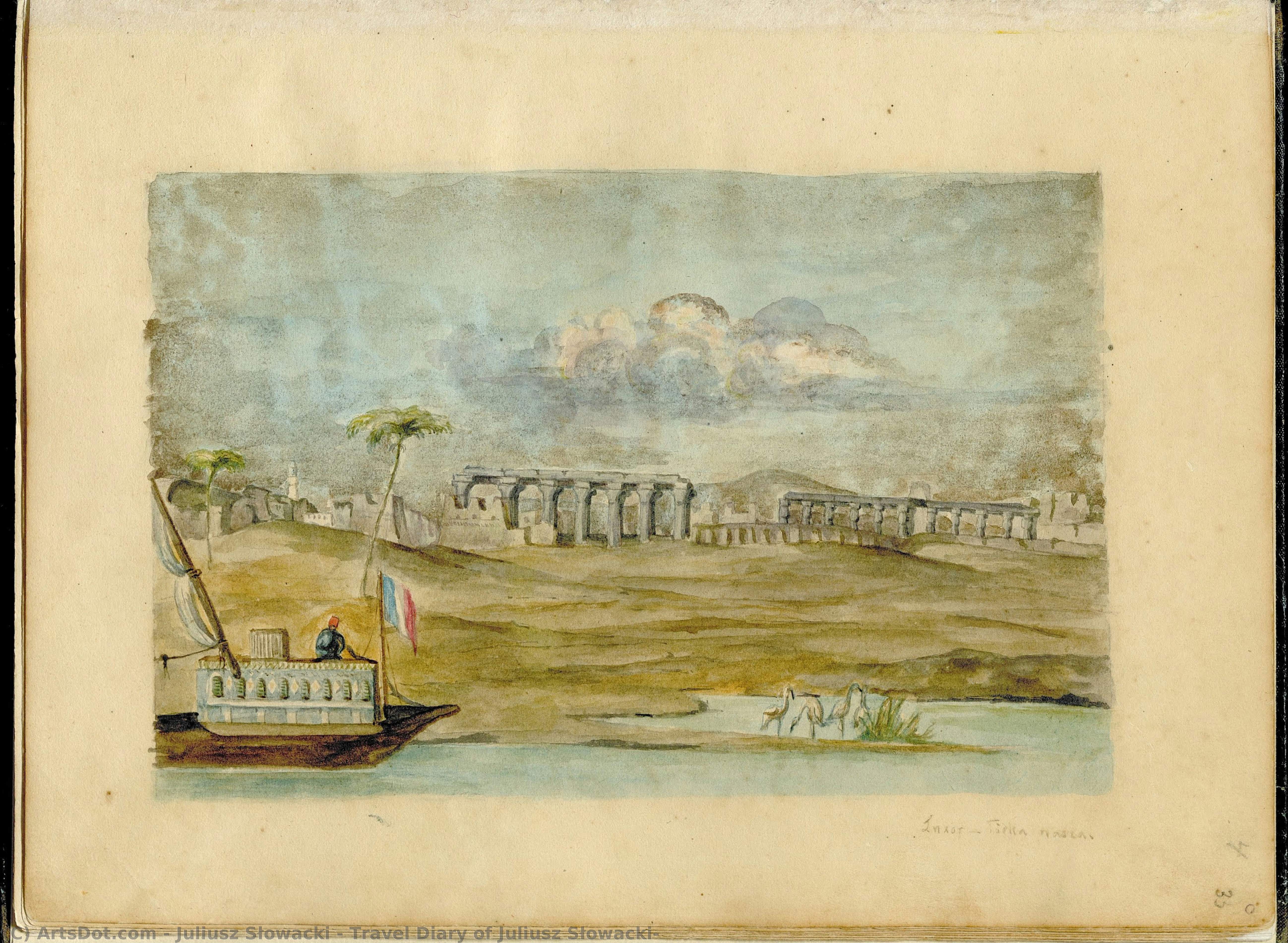
In the delicate strokes of this watercolor from 1848, we find ourselves transported to a moment of profound tranquility, captured by the hand of one of Poland's most luminous literary figures, Juliusz Słowacki. This piece, part of his evocative travel diary, transcends mere documentation; it is a poetic meditation on movement and stillness. The scene depicts a solitary figure navigating a boat across a serene expanse of water, framed by the majestic, soft silhouettes of distant mountains. As the oarsman pulls against the gentle current, the composition invites the viewer to share in the rhythmic peace of a summer day. The presence of figures along the shore and the subtle detail of an umbrella to the left suggest a shared human experience with nature—a quiet afternoon where the boundaries between the traveler and the landscape begin to dissolve.
The technique employed here is quintessential of the Romantic era’s fascination with the ephemeral. Using the fluid, translucent medium of watercolor, SłowAcki captures the play of light upon the water's surface and the hazy atmosphere of a warm afternoon. There is a masterful use of soft edges and bleeding pigments that mimics the way memory itself functions—vivid in certain details, yet dreamlike and blurred at the periphery. The artist’s ability to balance the structural weight of the mountains with the lightness of the water creates a visual harmony that is both grounding and ethereal. For the collector, this work offers more than just aesthetic beauty; it provides a tactile connection to the spontaneous, sketching style that characterized Słowacki's journeys through the Middle East and Europe.
Historical Resonance and Emotional Depth
To understand this artwork is to understand the soul of Polish Romanticism. Juliusz Słowacki, often revered as one of Poland's "three bards," lived a life defined by exile, patriotism, and an unquenchable thirst for the exotic. This watercolor was born from a period of profound personal and political transition. Having fled his homeland following the November Uprising, Słowacki’s travels through Greece, Egypt, and the Holy Land were not merely sightseeing expeditions but spiritual quests. The painting serves as a visual companion to his literary output, embodying the Romantic ideal of the "wanderer"—a figure seeking truth and beauty in the far reaches of the world. The peacefulness of the scene belies the turbulent history of its creator, offering a sanctuary of calm amidst a life of upheaval.
For interior designers and connoisseurs of fine art, this reproduction offers a sophisticated focal point that breathes life into any space. Its palette of soft blues, earthy tones, and luminous highlights makes it an ideal addition to a curated gallery wall or as a standalone statement piece in a study or library. The emotional impact of the work lies in its ability to evoke nostalgia and a sense of longing—a "sehnsucht" that resonates deeply with anyone who has ever been moved by the call of the horizon. Owning a reproduction of this piece is an invitation to bring the spirit of discovery and the timeless elegance of 19th-century Romanticism into the modern home, creating an atmosphere of contemplative grace.
Похожие произведения
Биография художника
Juliusz Słowacki: Life and Legacy
Early Life and Education
- Born: September 4, 1809, in Kremencze (Kremenets), Poland (now Ukraine).
- Słowacki’s early life was shaped by the political turmoil of partitioned Poland. He grew up in what were known as the “stolen lands,” fostering a strong sense of national identity.
- He received his education in Kremencze and Vilnius (Wilno), Lithuania, where he developed an interest in literature and history.
- His father, Jan Słowacki, was a teacher and writer who influenced Juliusz’s intellectual development.
Early Career and Political Involvement
- Słowacki briefly worked for the government of the Kingdom of Poland but soon became involved in patriotic activities.
- November Uprising (1830): He served as a courier for the Polish revolutionary government during the uprising against Russian rule.
- Following the defeat of the uprising, Słowacki went into exile, like many other Polish patriots. This period profoundly impacted his writing and worldview.
Life in Exile and Artistic Development
- Słowacki spent much of his life abroad, residing in Paris, Geneva, Italy, Greece, and the Middle East.
- His travels exposed him to diverse cultures and philosophical ideas, which enriched his literary work.
- He developed a unique poetic style characterized by neologisms (newly coined words), irony, and a blend of Romanticism with Slavic folklore and mysticism.
- Key Influences: Polish history, Slavic mythology, Romantic poets like Byron and Goethe, and Eastern philosophies.
Major Works and Themes
- Dramas: Kordian (a pivotal work exploring Polish identity and political disillusionment), Balladyna (a dark tale of ambition and betrayal inspired by Slavic folklore).
- Poems: Beniowski (an epic poem about a Hungarian nobleman who fought for Poland), Testament mój (“My Testament,” a philosophical and autobiographical work), Anhelli (a mystical drama).
- Recurring Themes: National identity, freedom, the struggle against oppression, Slavic mythology, mysticism, the conflict between good and evil, and the search for meaning in life.
Artistic Style and Innovations
- Słowacki’s style is marked by its lyrical intensity, dramatic flair, and philosophical depth.
- He was a master of poetic language, employing vivid imagery, symbolism, and innovative rhetorical devices.
- His use of neologisms expanded the Polish vocabulary and contributed to the development of modern Polish literature.
- Słowacki is considered the father of modern Polish drama, paving the way for future generations of playwrights.
Historical Significance and Legacy
- One of the “Three Bards”: Along with Adam Mickiewicz and Zygmunt Krasiński, Słowacki is regarded as one of Poland’s greatest Romantic poets.
- His works played a crucial role in preserving Polish national identity during a period of foreign occupation.
- Słowacki's dramas continue to be performed and studied today, inspiring artists and scholars alike.
- He returned briefly to Poland during the Spring of Nations uprising in 1848 but soon resumed his exile. He died in Paris on April 3, 1849.
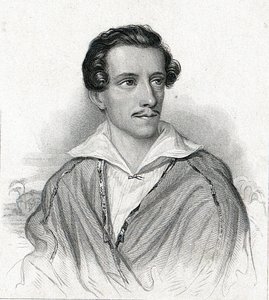
juliusz słowacki
1809 - 1849 , Poland
Основные сведения
- Birth Date: 1809-09-04
- Birth Place: Kremencze, Poland
- Death Date: 1849-04-03
- Movement: Romanticism
- Name: Juliusz Słowacki
- Nationality: Polish
- Notable Works:
- Kordian
- Balladyna
- Beniowski
- Testament mój
- Anhelli