

 Предпросмотр
 Поделиться
 Поделиться
 Детали произведения

 Скачать
 Похожие работы
 Рентгенография
 Слайд-шоу
 Статистика
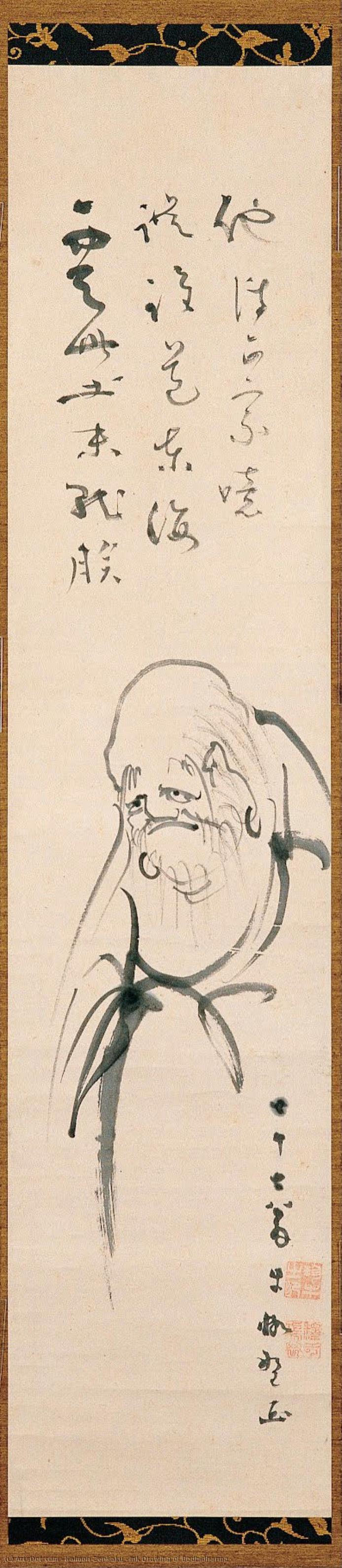
Ink Drawing of Bodhidharma


 Читать далее
Масляная репродукция ручной работы
Картина маслом на холсте в выбранном вами размере и раме, написанная на заказ нашими художниками. ( Перейти к печати Перейти к цифровым изображениям)




































Выберите один из наших стандартных размеров, соответствующих оригинальным пропорциям произведения искусства.

Вы можете указать собственные размеры, чтобы картина идеально вписалась в выбранную раму или пространство. Если выбранный вами размер не соответствует пропорциям оригинала, мы либо обрежем полотно, либо расширим его за счет дополнительных элементов, написанных вручную. Цифровой макет будет отправлен вам на утверждение перед началом производства.
Обратите внимание, что предварительный просмотр на экране не отражает фактическую обрезку или расширение. Только макет точно покажет окончательную композицию.
Хотя доступны индивидуальные размеры, мы рекомендуем выбирать вариант из предопределенного списка, чтобы сохранить исходные пропорции.
После оформления заказа команда ArtsDot.com свяжется с клиентом по электронной почте для уточнения деталей и предоставит предварительный макет
Доставка по всему миру () за 3–4 недели вместо стандартных 5 недель. (12 Сентябрь). Без компромиссов в качестве.

Бесплатная экспресс-доставка по всему миру

Высококачественный льняной холст

Полное страхование доставки

Гарантия возмещения таможенных пошлин

Гарантия точного соответствия цветов

100-дневная политика возврата (только при обнаружении дефектов)

Гарантия возврата 100% средств

Предложение оптовых скидок
 Вариант со стеклом доступен только для размеров менее 110 см

Ink Drawing of Bodhidharma
Техника репродукции
Размер репродукции
-


Итоговая стоимость
$ 263
Похожие произведения








Биография художника
Kaimon Zenkaku: A Master of Subtle Line and Buddhist Vision
Kaimon Zenkaku (1743-1822) stands as a testament to the quiet artistry born from monastic devotion in Japan’s Edo period. Born Nagato, he dedicated his life to Sōtō Zen Buddhism, immersing himself in contemplative practice while simultaneously cultivating exceptional skill in calligraphy and ink painting—a harmonious blend that reflects the core tenets of Zen philosophy itself. His artistic output wasn't driven by fame or worldly ambition but rather by a profound desire to express spiritual insight through visual representation.- Early Life & Training: Kaimon Zenkaku’s formative years were spent at Myōonji Temple in Nagato, where he undertook rigorous training under esteemed Zen masters. This disciplined environment instilled within him an unwavering focus on simplicity and precision—qualities that would permeate his subsequent artistic endeavors.
- Notable Temples & Patronage: Throughout his life, Kaimon Zenkaku resided at several prominent temples across Japan including Kannon’in Temple in Higo, Tōkōji Temple in Higo, zenkyūin Temple in Shinano, Ryūtaiji Temple in Mino, hokkeji Temple in Settsu and manshōji Temple in Nagoya. These positions afforded him access to resources that supported his artistic pursuits and allowed him to engage with the intellectual currents of his time.
Artistic Style & Technique
Kaimon Zenkaku’s distinctive style is characterized by remarkably delicate brushstrokes—a hallmark of Sōtō Zen calligraphy. He eschewed ostentation, prioritizing understated elegance and conveying profound emotion through subtle tonal variations. His ink paintings similarly embraced minimalism, focusing on capturing the essence of subjects with remarkable accuracy and sensitivity. The artist's meticulous attention to detail reveals a deep understanding of materiality and texture—elements skillfully employed to evoke contemplative moods. Influenced by the teachings of Dōgen Zenji, Kaimon Zenkaku’s work embodies the Zen ideal of “mu” – emptiness – achieved through careful observation and disciplined execution.- Illustrations for Dōgen's Biographies: Perhaps his most significant contribution to Buddhist art was his involvement in illustrating Dōgen’s biographical works, notably ‘teiho kenzeikizue’ and ‘eihei dōgen zenji gyōjōzue’. These monumental paintings powerfully conveyed the spiritual journey of Dōgen Zenji through evocative imagery and masterful composition.
- Collaboration with Kaimon Zenkaku: He famously collaborated with another rinzai Zen priest, Kaimon Zenkaku, on an ink drawing depicting Bodhidharma—a seminal figure in Buddhist history. This piece exemplifies the artist’s ability to distill complex philosophical concepts into a single visual statement.
Major Achievements & Legacy
Kaimon Zenkaku's enduring legacy rests on his contribution to the dissemination of Dōgen Zenji’s pictorial biographies and his masterful execution of ink drawings. His work stands as an exemplar of Sōtō Zen aesthetics—a celebration of simplicity, tranquility, and spiritual contemplation. Beyond its artistic merit, Kaimon Zenkaku's oeuvre serves as a window into the intellectual and cultural landscape of Edo Japan, reflecting the profound influence of Buddhist thought on Japanese art and culture. His subtle yet powerful depictions continue to inspire admiration for their beauty and depth.Historical Significance
Kaimon Zenkaku’s artistic output coincided with a period of significant social and intellectual transformation in Japan—the Edo Period. He navigated the complexities of this era while maintaining unwavering devotion to Zen principles, producing art that transcends temporal boundaries and speaks to universal themes of mindfulness and enlightenment. His work remains an invaluable resource for scholars studying Buddhist iconography and Japanese art history, cementing his place as a pivotal figure in the artistic canon of his time.
kaimon zenkaku
1743 - 1822 , Japan
Основные сведения
- Artistic Movement Or Style: Sōtō Zen calligraphy & ink painting
- Date Of Birth: 1743
- Full Name: Kaimon Zenkaku
- Nationality: Japanese
- Notable Artworks:
- Ink Drawing of Bodhidharma
- Ink Drawing of Rāhula(The Son of Buddha)
- Ink Drawing of Han-shan and Shi-de(Zen Hermits)
- Place Of Birth: Nagato, Japan