

 Предпросмотр
 Поделиться
 Поделиться
 Детали произведения

 Скачать
 Похожие работы
 Рентгенография
 Слайд-шоу
 Статистика
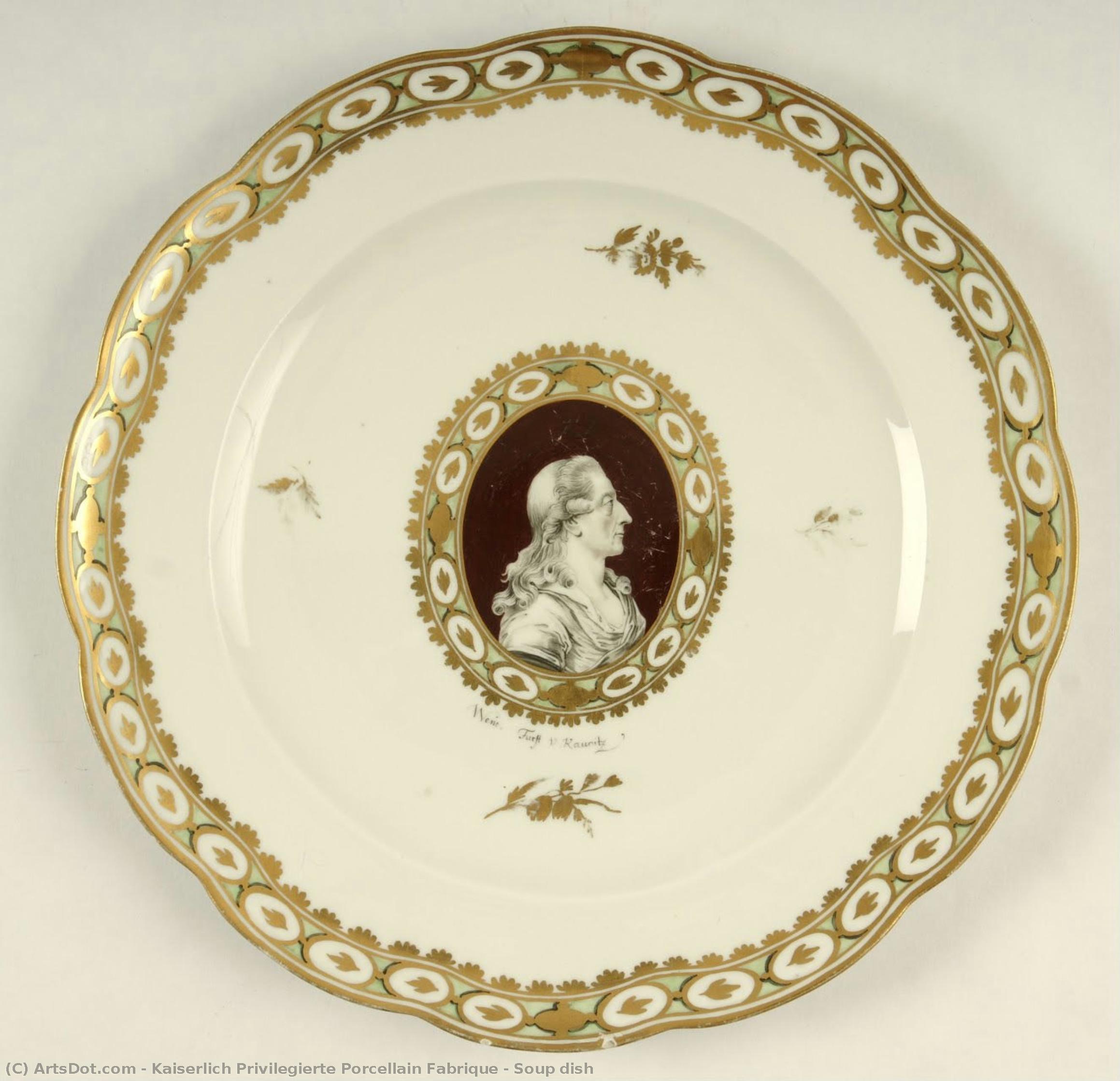
Soup dish

 Читать далее
Масляная репродукция ручной работы
Картина маслом на холсте в выбранном вами размере и раме, написанная на заказ нашими художниками. ( Перейти к печати Перейти к цифровым изображениям)




































Выберите один из наших стандартных размеров, соответствующих оригинальным пропорциям произведения искусства.

Вы можете указать собственные размеры, чтобы картина идеально вписалась в выбранную раму или пространство. Если выбранный вами размер не соответствует пропорциям оригинала, мы либо обрежем полотно, либо расширим его за счет дополнительных элементов, написанных вручную. Цифровой макет будет отправлен вам на утверждение перед началом производства.
Обратите внимание, что предварительный просмотр на экране не отражает фактическую обрезку или расширение. Только макет точно покажет окончательную композицию.
Хотя доступны индивидуальные размеры, мы рекомендуем выбирать вариант из предопределенного списка, чтобы сохранить исходные пропорции.
После оформления заказа команда ArtsDot.com свяжется с клиентом по электронной почте для уточнения деталей и предоставит предварительный макет
Доставка по всему миру () за 3–4 недели вместо стандартных 5 недель. (12 Сентябрь). Без компромиссов в качестве.

Бесплатная экспресс-доставка по всему миру

Высококачественный льняной холст

Полное страхование доставки

Гарантия возмещения таможенных пошлин

Гарантия точного соответствия цветов

100-дневная политика возврата (только при обнаружении дефектов)

Гарантия возврата 100% средств

Предложение оптовых скидок
 Вариант со стеклом доступен только для размеров менее 110 см

Soup dish
Техника репродукции
Размер репродукции
-


Итоговая стоимость
$ 263
Похожие произведения









Биография художника
Vienna Porcelain: A Legacy of Imperial Elegance
Vienna porcelain, more accurately known as Kaiserlich privilegierte Porcellain Fabrique, stands as a testament to Austria’s artistic prowess during the Enlightenment and Napoleonic eras—a singular achievement in European ceramics that continues to captivate collectors and historians alike. Founded in 1718 by Claude du Paquier, a Dutchman with ambitious aspirations, it quickly ascended to prominence alongside Meissen porcelain, establishing Vienna as Europe's second bastion of hard-paste faience production. This remarkable story unfolds through five distinct periods, each marked by stylistic evolution and shaped by the patronage of successive emperors—a narrative interwoven with scientific innovation and diplomatic significance.- The Du Paquier Period (1718–1744): Initially hampered by financial instability and a lack of royal backing, the factory’s early years were characterized by du Paquier's unwavering determination to master the art of porcelain production. Despite challenges securing monopolies for his wares—a crucial element in establishing a stable business model—he persevered, attracting skilled artisans from Meissen and laying the groundwork for future success.
- The Imperial State Manufactory (1744–1805): Following Maria Theresa’s decisive intervention—purchasing the factory and securing its financial stability—Vienna porcelain entered a golden age. This era witnessed a blossoming of neoclassical aesthetics, heavily influenced by Sèvres porcelain, and propelled Vienna to the forefront of European artistic discourse. The patronage of emperors Joseph II and Ferdinand III fostered experimentation with new forms and decorative motifs, cementing Vienna’s reputation as a center for innovation.
- The Biedermeier Period (1805–1839): Amidst the turbulent political landscape of the Napoleonic Wars, Vienna porcelain experienced a subtle shift toward domestic sensibilities—a reflection of the broader Biedermeier movement. Artists embraced naturalistic themes and understated elegance, prioritizing craftsmanship over ostentation, mirroring the values of the Austrian middle class.
- The Victorian Era (1839–1864): The final decades saw Vienna porcelain adapt to the burgeoning influence of British aesthetics—particularly the ornate Victorian style. While retaining its distinctive Viennese character, the factory embraced bolder colors and elaborate embellishments, signaling a move toward embracing global artistic trends.
- Legacy & Influence: Despite its eventual decline in production volume, Vienna porcelain’s impact on European ceramics remains profound. Its pioneering techniques—particularly the use of kaolin clay—established Vienna as a leader in ceramic science and spurred advancements across the continent. Furthermore, Viennese porcelain continues to inspire artists today, serving as an enduring symbol of Austrian artistic heritage and imperial grandeur.
- Innovation in Porcelain Production: Du Paquier’s meticulous pursuit of a stable formula for hard-paste porcelain revolutionized ceramic manufacturing techniques.
- Diplomatic Gifts: Viennese porcelain served as lavish gifts exchanged between emperors and foreign dignitaries, bolstering Austria's prestige on the international stage.
- Artistic Excellence: The factory produced masterpieces embodying neoclassical ideals—particularly during Maria Theresa’s reign—demonstrating unparalleled artistic skill and aesthetic vision.
Основные сведения
- Artistic Movement Or Style: Neoclassical
- Artists Or Movements Influenced By This Artist: ['Sèvres Porcelain']
- Artists Who Influenced This Artist: ['Meissen Porcelain']
- Date Of Death: 1751
- Full Name: Claude Du Paquier
- Nationality: Austrian
- Notable Artworks: ['Vienna Porcelain Manufactory']
- Place Of Birth: Vienna, Austria